
The five most reliable used cars under $9,000 on Facebook Marketplace in April 2026 are the Honda Civic (2014-2017), Toyota Corolla (2014-2017), Mazda3 (2014-2018), Honda Fit (2015-2018), and Hyundai Elantra (2014-2017). At this budget you can expect clean-title vehicles with 80,000-130,000 miles — well within the first half of these powertrains' service life. The Mazda3 and Hyundai Elantra offer the best value-per-dollar, typically pricing $1,000-$1,500 below comparable Hondas and Toyotas.
What Can You Realistically Get for Under $9,000 in 2026?
The sub-$9,000 tier on Facebook Marketplace is a genuinely productive price range for used car buyers. Unlike the sub-$5,000 market — where high mileage, deferred maintenance, and questionable histories are the norm — the $7,000-$9,000 bracket gives you access to vehicles that still have a substantial portion of their useful life remaining. This is the tier where careful shopping yields real returns.
Here is what $9,000 buys on Facebook Marketplace in April 2026:
- Model years: 2014-2018 for sedans and hatchbacks from reliable manufacturers
- Mileage: 80,000-130,000 miles is the typical range; anything under 90,000 at this price moves quickly
- Condition: You can be selective — clean titles, reasonably maintained interiors, and vehicles that have been driven normally rather than abused
- Seller type: A mix of private sellers upgrading to newer vehicles and small dealers. Private sellers typically offer better prices; dealers add margin but may include short warranties
The key advantage of this budget over lower tiers: you are shopping in the range where routine maintenance has likely been performed. Owners who keep a car for 80,000-120,000 miles have usually invested in oil changes, brake pads, and tire rotations. The car has not yet reached the age where major components begin failing in clusters. You are buying into the most cost-effective window of a vehicle's lifecycle — past the steepest depreciation curve but before the expensive repair phase begins.
Prices as of April 2026.
Cars Under $9,000 for Sale Near You: How to Pull Today's Listings
Marketplace does not give you a clean "under $9,000" view by default. It ranks on engagement rather than recency, so a car listed this morning can sit below one that has been up for two weeks. The fix is to set the price ceiling and the sort order in the search URL itself, then open that URL instead of browsing the category.
Our search URL builder, already set to a $9,000 ceiling and newest-first, will assemble the address for you. Put one of the models from the table below in the keywords box and it becomes a search for that specific car at this budget.
Set the radius wider than feels comfortable. Marketplace measures distance from the seller's profile location rather than from the car, so a tight radius silently drops listings parked near you whose owner never updated their profile. Forty to sixty miles is a reasonable starting point in most metros.
Have the $9,000 Search Run Itself
Build the search once, then hand it to CarSnipe. It re-runs the search on a fixed interval and sends each new match to Telegram in about three minutes on Pro, so a car listed while you are at work is still waiting for you.
Start Free Trial on TelegramWhich Cars Under $9K Are the Most Reliable Right Now?
These five models consistently rank among the most dependable vehicles in Consumer Reports long-term reliability rankings and represent the best value in this price range on Facebook Marketplace.
| Model | Years | Typical Marketplace asking price | The one thing to check |
|---|---|---|---|
| Honda Civic | 2014-2017 | $7,500-$9,000 | On a 2016-2017 turbo, the oil level and a gasoline smell on the dipstick |
| Toyota Corolla | 2014-2017 | $7,000-$8,800 | Whether the Takata airbag inflator recall was addressed |
| Mazda3 | 2014-2018 | $6,500-$8,500 | Intake valve carbon buildup, roughly $300-$400 to clean around 100,000 miles |
| Honda Fit | 2015-2018 | $6,800-$8,800 | On a 2015, any vibration or hesitation in slow-speed maneuvers |
| Hyundai Elantra | 2014-2017 | $5,800-$7,800 | NHTSA for open campaigns; the Nu engine is not the affected Theta II |
Asking ranges are the per-model figures stated elsewhere on this page, drawn from CarSnipe's Facebook Marketplace alert data. They are what private sellers ask, not what cars sold for.
Honda Civic (2014-2017)
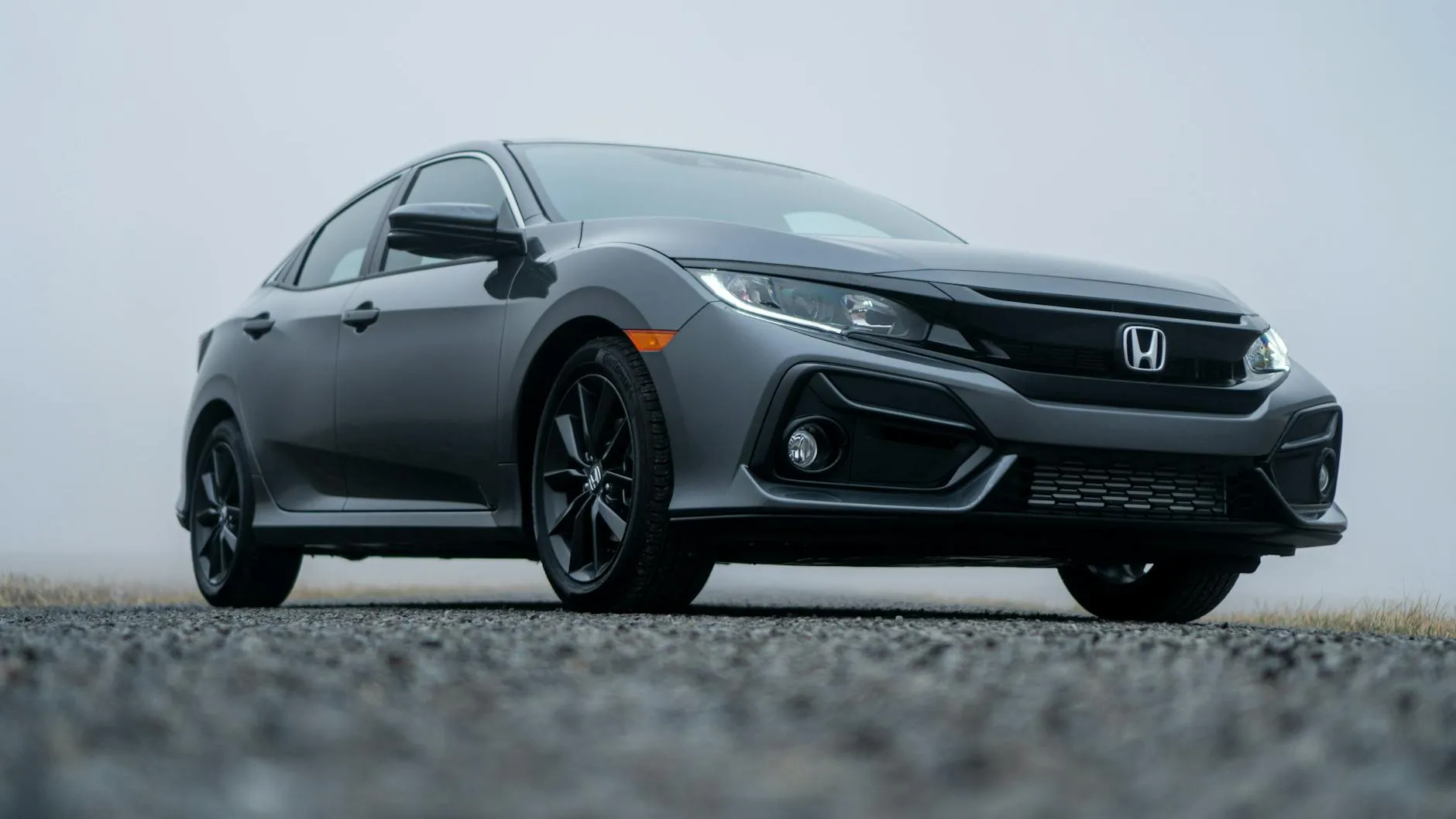
Realistic price range: $7,500-$9,000 | Typical mileage: 85,000-125,000 | Ideal mileage threshold: Under 110,000
The ninth-generation Civic is the benchmark for affordable reliability. The 1.8L R18 engine uses a timing chain (not a belt), has minimal oil consumption issues, and is designed for a service life well beyond 250,000 miles. At 100,000 miles, this engine is not even approaching middle age. The CVT in 2014-2015 models and the conventional automatic in the 2016-2017 refresh are both proven units with strong track records.
Known issues: The 2014-2015 models share a platform with the outgoing ninth generation and are mechanically mature. The 2016-2017 models received a full redesign with the turbocharged 1.5L engine — excellent on fuel economy but watch for reports of fuel dilution in the oil in cold climates. If buying a 2016-2017 turbo model, check the oil level and sniff for gasoline smell on the dipstick.
What to inspect: Verify the AC compressor is functioning (a $500-$700 repair if not). Check the brake rotors for warping — the Civic's lightweight rotors can warp around 60,000-80,000 miles if they haven't been replaced. Inspect the CV boots and listen for clicking sounds during tight turns. Run a thorough pre-purchase inspection covering all major systems.
Toyota Corolla (2014-2017)
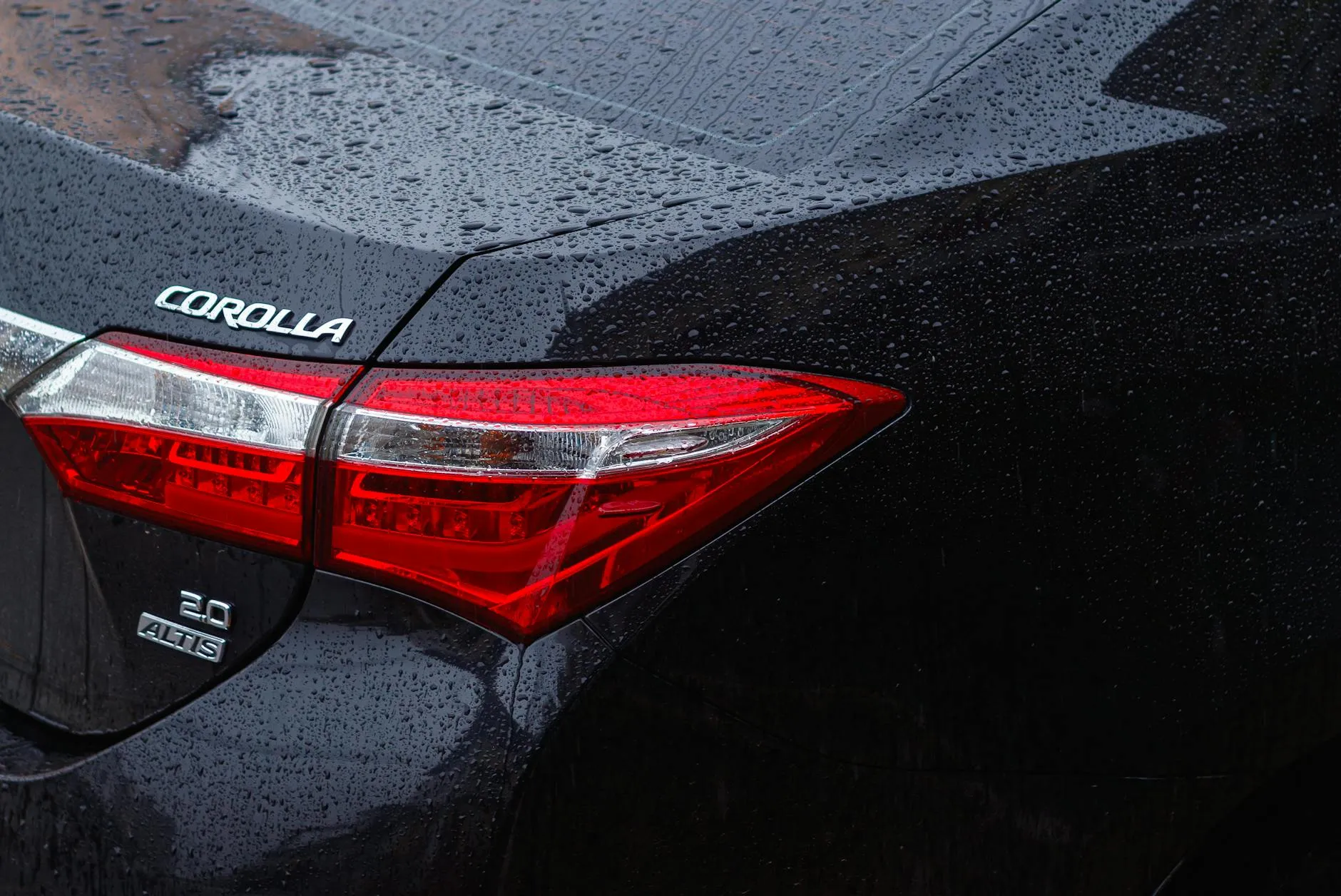
Realistic price range: $7,000-$8,800 | Typical mileage: 80,000-130,000 | Ideal mileage threshold: Under 115,000
The eleventh-generation Corolla pairs the 1.8L 2ZR-FAE engine with either a CVT or a 4-speed automatic (LE Eco trim). Both powertrain combinations have been thoroughly proven across millions of vehicles worldwide. The Corolla is not the most engaging car to drive, but it may be the most predictable car to own — maintenance costs are low, parts are abundant, and the engine is famously tolerant of imperfect maintenance schedules.
Known issues: The CVT in these Corollas is Toyota's own unit and is significantly more reliable than the CVTs found in competing Nissan models. Some owners report a slight hesitation on initial acceleration from a stop, which is a calibration characteristic rather than a defect. The 2014-2016 models had a minor recall related to the airbag inflator (Takata) — verify this has been addressed.
What to inspect: Check the water pump and thermostat — both are affordable replacements but tend to be due in the 100,000-130,000-mile window. Inspect the undercarriage for rust if the car spent time in northern states with road salt. Listen for any ticking from the engine at cold start, which could indicate a valve adjustment is needed. Bringing a knowledgeable friend or mechanic to the inspection makes a real difference.
Mazda3 (2014-2018)
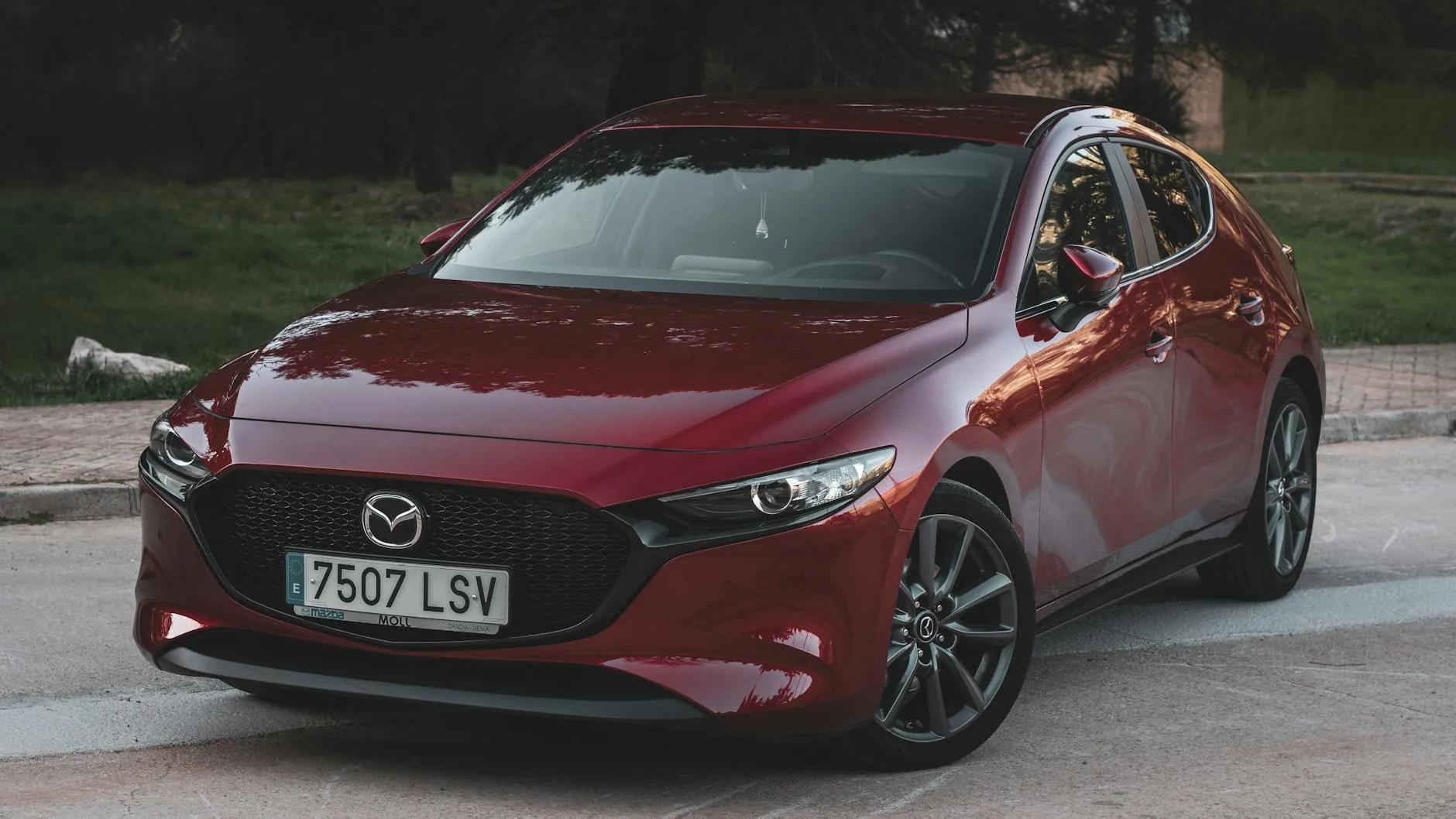
Realistic price range: $6,500-$8,500 | Typical mileage: 80,000-120,000 | Ideal mileage threshold: Under 105,000
The third-generation Mazda3 is the driver's pick on this list. The 2.0L SkyActiv-G engine is naturally aspirated, direct-injected, and built with Mazda's obsessive focus on efficiency and longevity. According to iSeeCars reliability data, the Mazda3 consistently ranks among the longest-lasting vehicles in its class. You get a car that is genuinely fun to drive — responsive steering, a well-sorted chassis — at a price typically $1,000-$1,500 below comparable Civics.
Known issues: Carbon buildup on the intake valves is the primary maintenance item to be aware of on direct-injected engines. This is not a defect — it is a characteristic of all direct-injection engines. If the car has not had a walnut blast or intake cleaning, budget $300-$400 for one around 100,000 miles. The 6-speed automatic is reliable; the 6-speed manual (if you can find one) is even better.
What to inspect: Check the infotainment screen for delamination or touch-response issues — a known cosmetic problem on 2014-2016 models. Inspect the rear brake calipers for sticking (a common Mazda3 wear item). Test the clutch engagement point if buying a manual. Listen for any unusual noise from the rear suspension over bumps, which could indicate worn rear trailing arm bushings.
Honda Fit (2015-2018)
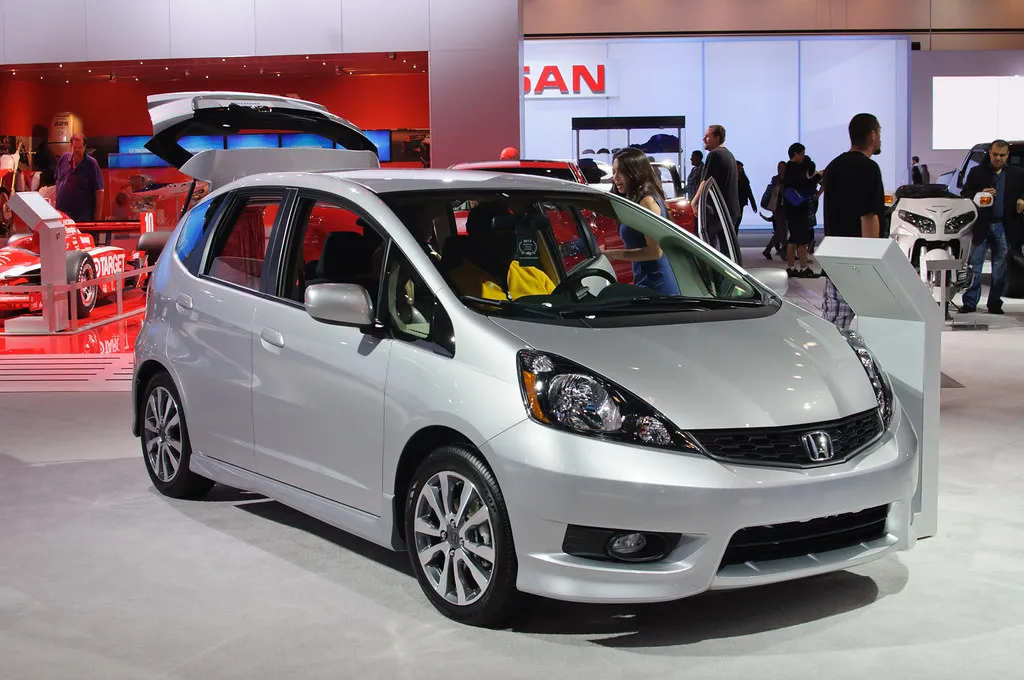
Realistic price range: $6,800-$8,800 | Typical mileage: 75,000-115,000 | Ideal mileage threshold: Under 100,000
The third-generation Fit is one of the most versatile vehicles in any price bracket. The 1.5L direct-injected engine produces 130 horsepower — modest on paper but adequate for a car that weighs under 2,600 pounds. The real selling point is the Magic Seat system: the rear seats fold completely flat, creating a cargo area that rivals some small SUVs. For buyers who need maximum utility from a small, efficient, and reliable car, the Fit has no real competition under $9,000.
Known issues: The CVT in the 2015-2017 Fit received some complaints about shuddering at low speeds during the first model year. Honda issued a software update that addressed most cases. If test-driving a 2015 model specifically, pay attention to any vibration or hesitation during slow-speed maneuvers in parking lots. The 2016-2018 models with the updated CVT calibration are generally trouble-free.
What to inspect: Check the paint on the roof and hood — the Fit's thinner paint is prone to showing chips sooner than heavier-gauge Honda models. Verify the air conditioning blows cold at idle (a weak AC system is harder to diagnose while moving). Test every fold configuration of the Magic Seats to confirm the latches and hinges are solid. The Fit's compact size means any collision history, even minor, may have affected structural alignment — a vehicle history report is essential.
Hyundai Elantra (2014-2017)
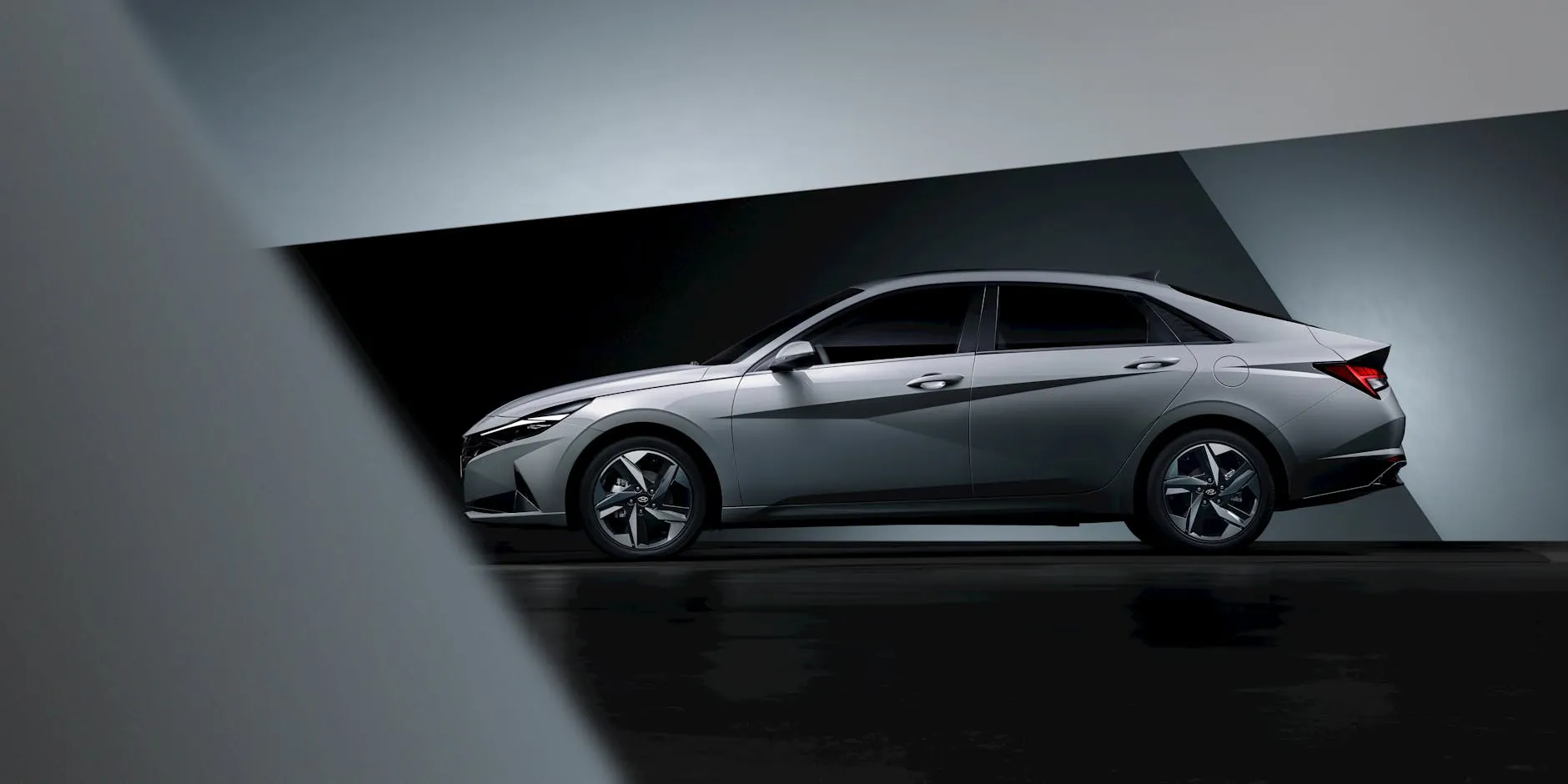
Realistic price range: $5,800-$7,800 | Typical mileage: 75,000-120,000 | Ideal mileage threshold: Under 105,000
The Elantra is the value play on this list. The fifth-generation (2014-2016) and sixth-generation (2017) Elantras use the 1.8L and 2.0L Nu engines respectively — both are naturally aspirated, conventional port-injected units with no turbo or direct-injection complexity. These engines are straightforward and durable. The Elantra's pricing advantage is significant: you will typically find these listed $1,500-$2,000 below comparable Civics and Corollas with identical mileage and condition, purely because of brand perception.
Known issues: Verify through the NHTSA recall database that the vehicle is not affected by any engine-related campaigns — some Hyundai/Kia models from this era had issues with the Theta II engine, but the Elantra's Nu engine is a completely different platform and is not affected. The 6-speed automatic is generally reliable but can develop a slightly rough 2-3 shift at higher mileage — test this during your drive.
What to inspect: Check for any steering column clunk when turning the wheel at low speeds — a known issue on 2014-2016 models that requires a coupling replacement. Inspect the rear suspension springs for sagging. Verify the Bluetooth and infotainment system are responsive, as the early touchscreen units can become sluggish. If buying a 2017 model, the redesigned interior and improved ride quality are worth the slight premium. When you're ready to buy, review the full cash purchase process so you don't miss any steps.
At the sub-$9,000 level, the gap between Honda/Toyota pricing and Mazda/Hyundai pricing remains significant. A 2016 Hyundai Elantra with 90,000 miles will typically list for $1,500-$2,000 less than a 2016 Honda Civic with identical mileage. The reliability difference between these specific vehicles is minimal — but the price difference is real. Buyers willing to look beyond the badge and focus on vehicle condition and maintenance history will consistently find better deals on Mazda and Hyundai models.
Which Cars Should You Avoid in the Sub-$9K Range?
Having more budget than the sub-$5,000 crowd does not make you immune to bad purchases. These are the pitfalls specific to this price tier.
Nissan CVT-equipped sedans (Altima, Sentra, Versa). Nissan's Jatco CVT transmissions from this era have well-documented reliability problems. Shuddering, overheating, and outright failure between 80,000 and 120,000 miles are common enough that the transmission's reputation drags down resale values — which is exactly why you will see plenty of 2014-2017 Altimas and Sentras priced attractively under $9,000. The low sticker price reflects the replacement risk. A CVT rebuild or replacement runs $3,000-$4,500, which can turn a $7,000 car into an $11,000 regret.
Turbocharged engines without maintenance records. Turbocharged engines in this price tier (Ford EcoBoost, Volkswagen TSI, some Hyundai/Kia turbo-fours) require more disciplined maintenance than naturally aspirated engines — specifically shorter oil change intervals and occasional turbo-related service. Without records proving the oil was changed every 5,000-7,000 miles, the risk of turbo failure, carbon buildup, and premature wear increases substantially. If you cannot verify the maintenance history, stick to naturally aspirated options.
Luxury brands with expired warranties. A 2013 BMW 3 Series or 2014 Audi A4 at $8,500 looks appealing on paper. In practice, you are buying into a maintenance and repair cost structure designed for a $40,000-$50,000 car. Brake jobs cost twice as much, oil changes require synthetic and specific filters, and when something electronic fails — and it will — the diagnostic and repair costs are dramatically higher than on any car in the recommended list above. At $9,000, buy a reliable economy car, not a depreciated luxury car.
Salvage or rebuilt titles. The same rule applies here as at every other budget tier: unless you are a mechanic who can personally assess the repair quality, avoid salvage and rebuilt titles. At $7,000-$9,000, there are enough clean-title options from reliable manufacturers that you never need to gamble on a previously totaled vehicle. Learn to evaluate private sellers and spot red flags before committing.
How to Find These Cars Before Anyone Else on Facebook Marketplace
The sub-$9,000 market moves fast. A well-priced 2016 Civic or 2015 Mazda3 with reasonable mileage does not sit on Facebook Marketplace for days — it sells within hours, often to the first buyer who shows up with cash and a clear plan. Browsing Marketplace manually a few times a day means you are seeing only the leftovers that other buyers passed on.
CarSnipe monitors Facebook Marketplace continuously and sends you a Telegram alert the moment a matching listing appears. You set your search parameters once — make, model, year range, price ceiling, maximum mileage, location radius — and the system watches around the clock. When a 2016 Corolla with 95,000 miles appears for $7,800, you know about it within minutes of it going live.
For the models on this list, speed is the single biggest factor in whether you get the car or miss it. The buyer who sees the listing first, messages the seller immediately, and shows up that same day with cash is the buyer who drives it home. CarSnipe eliminates the gap between listing and discovery — giving you the response time advantage that manual browsing cannot match.
Stop Losing the Best Sub-$9K Deals.
Set up CarSnipe alerts for the exact make, model, year, and price range you want — and get notified the moment a match appears on Facebook Marketplace. Free 7-day trial — cancel anytime before you are charged.
Start Free Trial on Telegramset a price ceiling and let the extension watch it · View pricing
Frequently Asked Questions
The Honda Civic (2014-2017) and Toyota Corolla (2014-2017) are the most reliable used cars available under $9,000 on Facebook Marketplace in 2026. Both use proven powertrains designed to exceed 250,000 miles with routine maintenance. At this price, you can expect 80,000-130,000 miles, which is well within the first half of these engines' service life. Always get a pre-purchase inspection and verify the maintenance history before buying.
Yes. The $7,000-$9,000 range is a sweet spot for reliable used cars on Facebook Marketplace. You can find 2014-2018 models from Honda, Toyota, Mazda, and Hyundai with moderate mileage and clean titles. Unlike the sub-$5,000 market where high mileage and deferred maintenance are the norm, the sub-$9,000 tier offers vehicles with meaningful remaining service life — often 100,000+ miles of reliable driving ahead.
Well-priced reliable cars under $9,000 typically sell within 2-6 hours of being listed on Facebook Marketplace in metro areas. Desirable models like the Honda Civic and Toyota Corolla at the lower end of their price range can be gone even faster. Automated alerts through tools like CarSnipe are the most effective way to see these listings before the competition.
Both are excellent choices. The Honda Civic tends to feel slightly more refined to drive and holds its value better, while the Toyota Corolla typically costs $500-$1,000 less for equivalent year and mileage, offering better upfront value. Both powertrains are designed for 250,000+ miles. Choose whichever you find first in good condition with maintenance records — at this price tier, the specific vehicle's history matters more than the badge on the hood.