
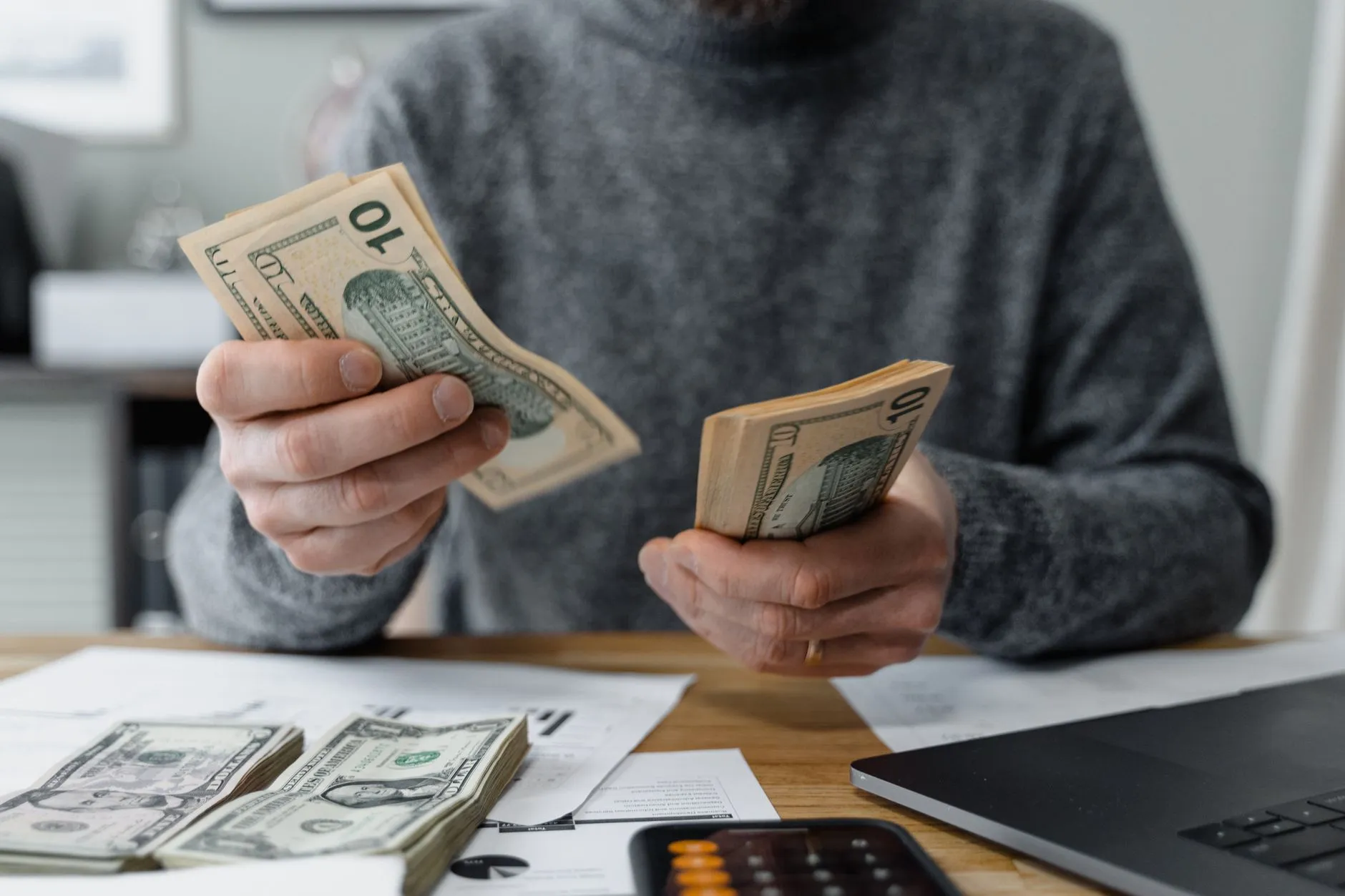
The safest way to buy a used car with cash from a private seller is to meet inside the seller's own bank branch during business hours, hand over either a cashier's check drawn from your bank (made out to the seller by name) or counted physical cash, and complete the paperwork right there at the desk. Before funds change hands, verify the seller's driver's license matches the name on the title, confirm the VIN on the dashboard matches the VIN on the title, and sign a bill of sale, the title transfer, and a federal odometer disclosure statement. The seller files a release of liability with the state DMV the same day. Staying inside a bank lobby eliminates almost every common cash-for-car scam — counterfeit bills, fake cashier's checks, title washing, and last-minute price changes.
How Buying a Car With Cash Works
Buying a car with cash means paying the full price at handover instead of financing it. In practice that is usually a cashier's check from your own bank made out to the seller, or counted bills for smaller amounts, exchanged for the signed title and a bill of sale. There is no lender, so the title comes to you clean, and the whole deal can close in one sitting.
Decide the form of the money before you go. For anything over a few thousand dollars, a cashier's check is easier to carry, easier to verify at the seller's bank, and leaves a paper trail if something goes wrong. Physical bills make sense for smaller purchases, and only if you count them with the seller inside a bank lobby. Withdraw the full amount in one trip; splitting a large withdrawal to stay under the bank's reporting line is a federal offense, as the reporting section below explains.
The paperwork changes less than people expect. Cash or financed, you still need the title signed over, a bill of sale, and the odometer statement. What disappears is the lender's paperwork: no loan application, no lienholder on the title, and nothing to pay off before you can sell the car on. The rest of this guide walks through the private-seller case first, because that is where cash is the norm and where the handover carries the most risk, then covers what changes at a dealership.
Why Do Private Sellers Prefer Cash for Used Car Sales?
Most private sellers want cash or a cashier's check, and a majority of private-party used car sales in the United States still close that way. Private sellers prefer cash for three concrete reasons.
First, cash settles immediately. The seller walks out of the bank with guaranteed, spendable funds — no waiting for a personal check to clear or risking a chargeback on a peer-to-peer app like Zelle or Venmo, which explicitly warn users not to use them for vehicle purchases because disputes cannot be reversed.
Second, cash eliminates financing contingencies — the deal closes same-day instead of potentially collapsing a week later over a loan denial. Third, cash keeps paperwork simple: no lienholder to satisfy, no payoff check delays. For the buyer, it also means no monthly payments and no interest — which the Consumer Financial Protection Bureau consistently flags as the cheapest way to buy any car when you can afford it.
How Do You Hand Over Cash for a Car Safely?
Do the exchange inside a bank, because carrying $15,000 in a backpack to a stranger's driveway is exactly the scenario every crime-prevention guide tells you to avoid. Four methods handle the exchange safely.
Meet at the Seller's Bank Branch
This is the gold standard for any private-party purchase between $3,000 and $25,000. You meet the seller inside their bank branch lobby during business hours. The teller verifies the cash or cashier's check is genuine, the seller deposits it immediately, and you walk out with a signed title. Both parties are on bank security cameras the entire time. The Better Business Bureau explicitly recommends this approach in its guidance on private vehicle sales.
Use a Cashier's Check from Your Own Bank
For purchases above about $5,000, a cashier's check from your bank is usually safer than physical cash. Request it made out to the seller by their full legal name (matching their driver's license), and hand it over at the seller's bank. The seller verifies it on the spot by calling your issuing bank's fraud line from a number they look up independently — never a number printed on the check itself. Cashier's checks cost $8 to $15 and leave a clean paper trail.
Structured Cash for Purchases Under $10,000
For smaller purchases, counted physical cash is reasonable. Withdraw in advance, request mostly $100 bills, and count it with the seller inside a bank lobby.
Once a single cash transaction crosses $10,000, your bank is required by the Bank Secrecy Act to file a Currency Transaction Report. This is routine — but structuring withdrawals specifically to stay below $10,000 is itself a federal crime, so do not split a $12,000 withdrawal into two trips. Take the single withdrawal and let your bank file the report.
Escrow Services for Long-Distance Purchases
If you are buying a car sight-unseen from another state, a licensed escrow service like Escrow.com is safer. The buyer wires funds to escrow, the seller ships the car and title, and escrow releases funds after the buyer signs off. Fees run about 1% of the transaction. Only use services licensed in your state — the FTC warns that fake escrow sites are a common vehicle-sale scam.
Documents You Must Have at Handoff
The exact forms vary slightly by state, but the American Association of Motor Vehicle Administrators (AAMVA) maintains state-by-state guides, and four documents are standard across all 50 states.
Bill of Sale
The bill of sale is the plain-English receipt for the transaction. It lists both parties' full legal names and addresses, the vehicle's year, make, model, VIN, odometer reading, sale price, date, and an "as-is" clause. Both parties sign. Many state DMVs provide a free template; otherwise a one-page typed document works. Keep a copy — you will need it for sales tax and registration.
Title
The seller signs the back of the title in the "seller" field, fills in the odometer and sale price where required, and hands it to you. Verify the name on the title matches the seller's driver's license exactly — mismatches are the single most common red flag for a stolen or "washed" title. If there is a lienholder listed, the lien must be released in writing before transfer.
Odometer Disclosure Statement
Federal law requires sellers to disclose the odometer reading at sale for any vehicle less than 20 model years old. On most state titles it is a dedicated field on the back. Rolling back an odometer is a federal crime under the Truth in Mileage Act, and the signed disclosure is your legal protection if the mileage is ever disputed.
Release of Liability
After the sale, the seller files a release of liability with the state DMV — usually online within 5 to 10 days. This notifies the state that the seller is no longer responsible for tickets, tolls, or accidents effective the date of sale. Confirm the seller plans to file it; many states let them file from their phone at the bank.
How Do You Avoid Scams When Paying Cash for a Car?
Most cash-for-car scams fail if you verify payment with the issuing bank and handle the money inside a bank, and the FTC's consumer-alert database tracks several that keep recurring. Three are common enough to memorize.
Fake cashier's checks. This mostly affects sellers, but buyers should understand it. Cashier's checks are not instant-clearing, despite popular belief — fakes can post and then bounce two weeks later. Always verify directly with the issuing bank's fraud line (number looked up independently), not a number printed on the check.
Counterfeit bills. Professional-grade counterfeit $100 bills circulate in private-party transactions. The fix is simple — count and verify the cash inside a bank, where tellers have counterfeit detection equipment and will flag any fake bill on the spot.
Last-minute price changes. The seller agrees to $12,000 over text, then at handoff claims they "have another offer" and demands more. Walk away. Paying under pressure in a parking lot is exactly the decision-making environment a scammer wants. A legitimate seller honors the agreed price.
Two other rules from the FTC and BBB: never wire money to a private seller, and never pay for a car you have not physically seen and inspected.
Paying Cash at a Dealership
A dealer will take your cash, but do not expect the warm welcome you might get from a private seller. Dealers earn part of their margin on financing, so a buyer who is not borrowing is a smaller sale to them. The practical advice is to negotiate the price of the car first, as if you were financing, and only mention that you are paying in full once the number is agreed. Bringing it up early gives the desk a reason to hold the price.
At a dealership you will almost never hand over a stack of bills. A cashier's check, a wire, or a debit transaction from your bank does the same job with none of the counting. If you do pay more than $10,000 in physical cash, the dealer, not you, files IRS Form 8300; it is a routine report, not a problem. The documents are also simpler than a private sale: the dealer handles the title transfer and registration with the state, so your job is to read the buyer's order line by line and refuse any add-on you did not ask for.
IRS Reporting: When Cash Transactions Get Reported
Two reporting thresholds matter for cash car purchases.
The first is IRS Form 8300, which businesses must file when they receive more than $10,000 in cash in a single transaction. This applies to licensed dealers, not individuals in one-off private sales. If you buy from a private seller, neither party files Form 8300. If you buy from a dealer with cash, the dealer files — you do not.
The second is the Currency Transaction Report (FinCEN Form 104), which your bank files automatically on cash withdrawals or deposits over $10,000. It is routine — but structuring withdrawals to stay below $10,000 is itself a federal crime under 31 U.S.C. § 5324, so take the full amount in one trip.
Sellers should remember that if they sell a vehicle for more than they originally paid, the gain is taxable as a capital gain — uncommon for daily drivers, but relevant for classic and collector vehicles.
Find the Right Car Before Someone Else Does.
CarSnipe monitors Facebook Marketplace continuously and alerts you within minutes of a matching listing going live — so you have time to set up a safe cash meet at the seller's bank before other buyers even respond.
Start Free Trial on Telegraminstall the extension so the next listing reaches you first · View pricing
Frequently Asked Questions
Yes, if you exchange funds inside the seller's bank branch. The teller verifies the cash or cashier's check is real, the seller deposits it immediately, and you leave with a signed title and bill of sale. Never hand over cash in a parking lot, at a gas station, or at the seller's home. The Better Business Bureau and the FTC both recommend handling private-party vehicle payments inside a bank lobby during business hours.
Private buyers generally do not file anything. The reporting obligation falls on people or businesses who receive more than $10,000 in cash in the course of a trade or business, and they file IRS Form 8300 within 15 days. A one-time private sale between two individuals typically does not trigger Form 8300, but the seller may owe capital gains tax if they sold the car for more than they paid. Your bank is also required to file a Currency Transaction Report for cash withdrawals or deposits over $10,000.
A cashier's check from your own bank, made out to the seller by name and presented inside the seller's bank branch, is the safest method for purchases above a few thousand dollars. It eliminates the risk of carrying large amounts of physical cash and lets the seller verify authenticity with the issuing bank on the spot. Physical cash is reasonable under about $5,000, when counted and exchanged inside a bank lobby.
You need the signed title (with the seller's signature transferring ownership to you), a bill of sale that both parties sign, a federal odometer disclosure statement for vehicles under 20 model years old, and a release of liability filed by the seller with the state DMV. The American Association of Motor Vehicle Administrators (AAMVA) maintains state-by-state guides to exactly which forms each DMV requires.