
What to Realistically Expect Under $5,000
The sub-$5,000 tier of Facebook Marketplace is the most competitive and the most unforgiving. This is the price range where first-time buyers, college students, and anyone recovering from a breakdown are all competing for a shrinking pool of vehicles that are actually worth owning. Most of what you'll see at this price is not worth your time — and acknowledging that upfront will save you from expensive mistakes.
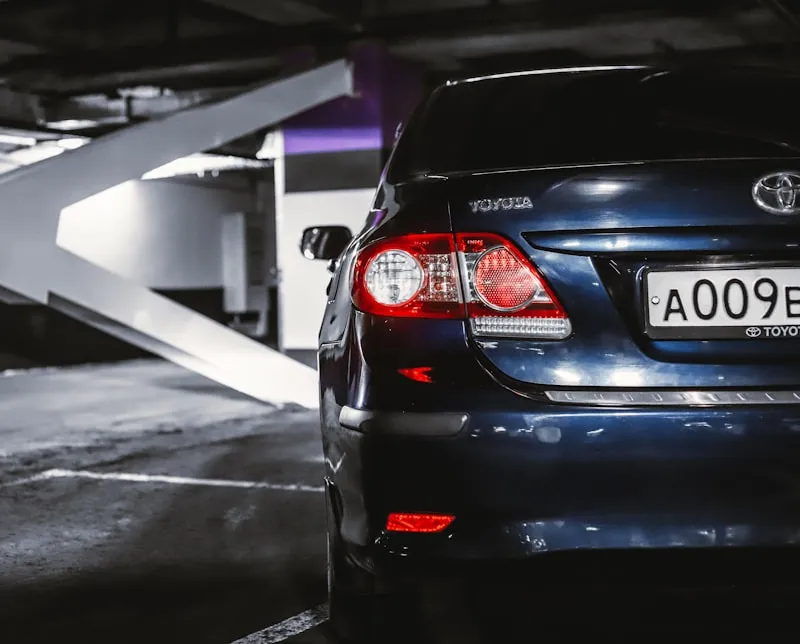
Here's what $5,000 buys on Facebook Marketplace in March 2026:
- Model years: 2006–2015, depending heavily on the make and condition
- Mileage: 120,000–200,000 miles is standard; anything under 120,000 at this price is rare and sells almost immediately
- Condition: Expect cosmetic wear — faded paint, minor dents, worn interiors. These are normal. The question is whether the mechanical components are sound underneath the surface-level wear
- Seller type: Overwhelmingly private sellers, plus a handful of small-lot dealers flipping auction vehicles with thin margins
The critical mindset shift at this budget: you are not shopping for a perfect car. You are shopping for a mechanically reliable car that happens to look lived-in. A 2010 Honda Civic with 155,000 miles, faded paint, and a stained driver's seat that starts every morning and runs perfectly is a vastly better purchase than a clean-looking 2012 sedan with a rebuilt title and no maintenance records.
Prices as of March 2026.
Best Models to Target
Not every car at this price point is a gamble. A small number of models have proven track records of lasting well beyond the mileage you'll find them at in this range. These are the ones worth pursuing.
Honda Civic (2008–2013)
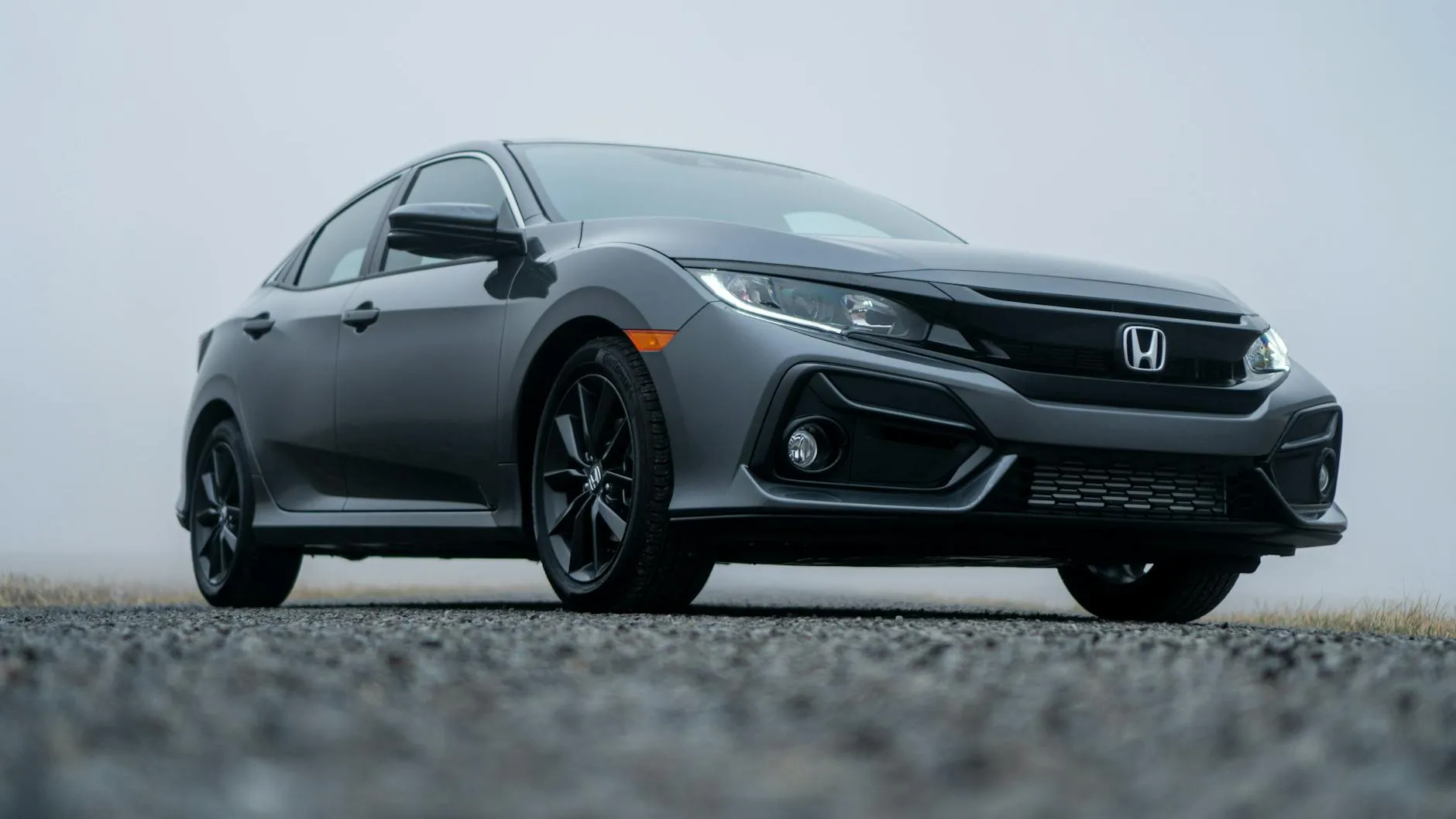
Realistic price range: $3,500–$5,000 | Typical mileage: 130,000–180,000
The eighth and ninth-generation Civics are the gold standard for budget reliability. The 1.8L R18 engine is remarkably simple and durable — no timing belt to worry about (it uses a chain), low oil consumption, and a well-documented service life that routinely exceeds 250,000 miles. The 5-speed automatic in these generations is also proven. At $4,000–$5,000, you're looking at high-mileage examples, but that mileage is well within the engine's design life.
What to look for: Check the engine block for any cracks or coolant leaks, especially on the 2006–2008 models which had a known block cracking issue (largely resolved by 2009). Inspect the CV boots and front suspension components — at this mileage, worn axle boots and lower ball joints are common maintenance items. Verify the AC works; compressor replacement on these runs $400–$600.
Toyota Corolla (2008–2012)
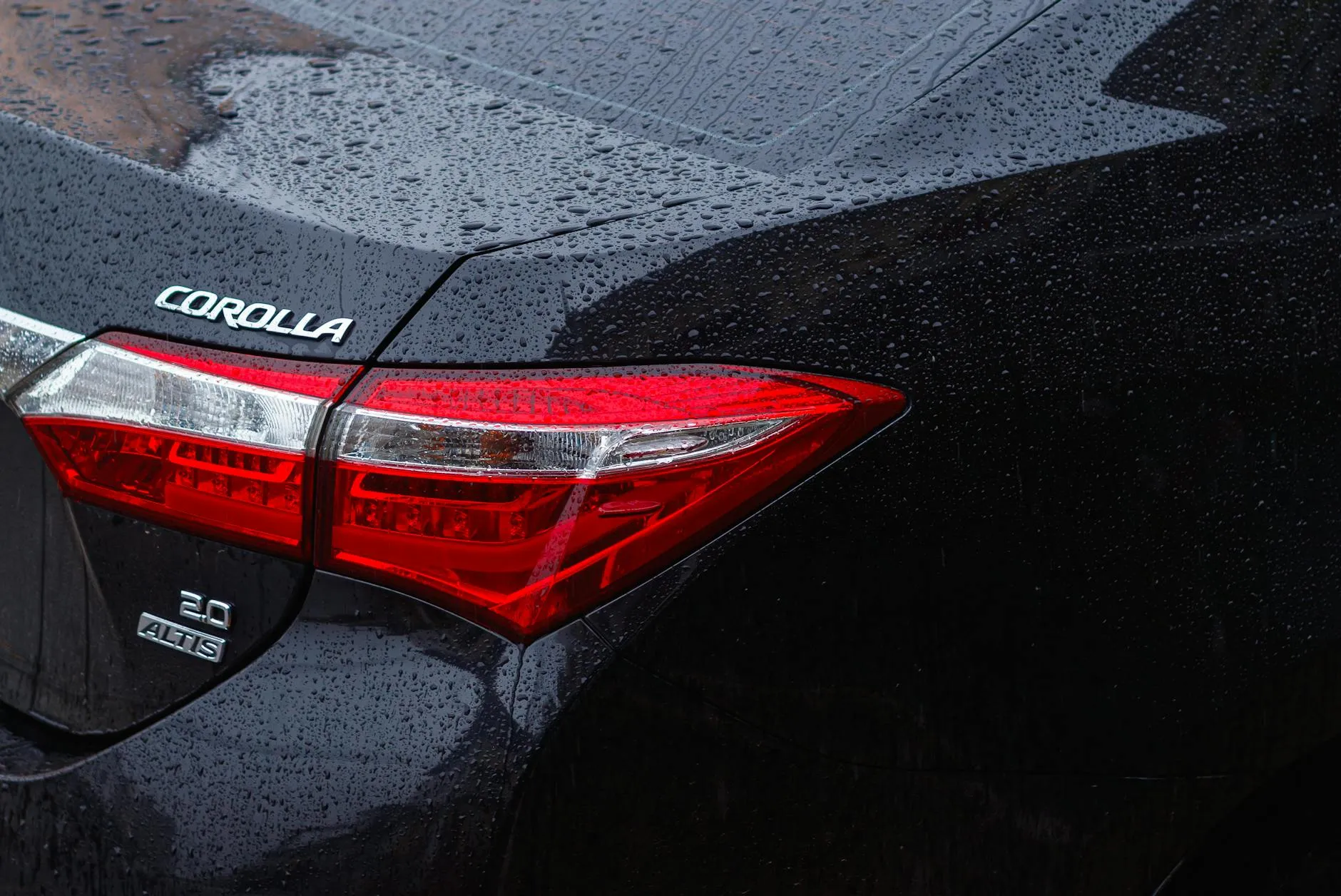
Realistic price range: $3,800–$5,000 | Typical mileage: 130,000–185,000
The Corolla needs no introduction in the reliability conversation. The 1.8L 2ZR-FE engine paired with a 4-speed automatic is about as bulletproof as internal combustion gets. These cars are not exciting, not fast, and not luxurious — they are, however, spectacularly resistant to breaking down. At 150,000 miles, a maintained Corolla is roughly at its midlife point.
What to look for: The 4-speed automatic is robust but can develop a harsh 1-2 shift pattern at higher mileage — test this during your drive. Rust on the undercarriage is the primary structural concern for northern-state cars. Check the water pump and thermostat; both are affordable to replace but tend to fail in the 120,000–160,000-mile window if not previously serviced.
Hyundai Elantra (2011–2015)
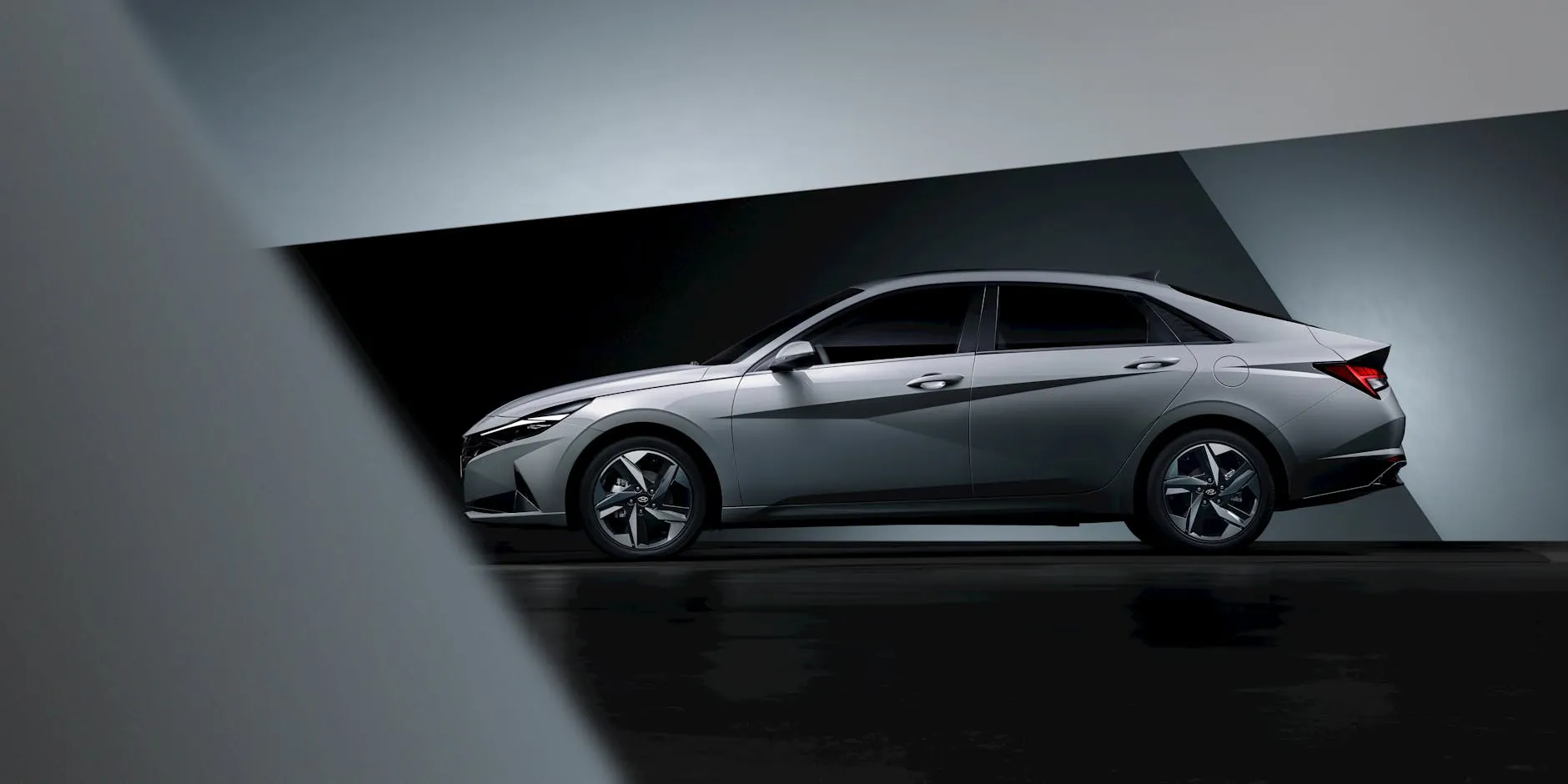
Realistic price range: $3,000–$4,800 | Typical mileage: 110,000–160,000
The fifth-generation Elantra is the budget sleeper in this list. These are typically $500–$1,500 cheaper than comparable Civics and Corollas purely because of brand perception — and the 2011+ generation is genuinely reliable. The 1.8L Nu engine is efficient and low-maintenance, and Hyundai's 10-year/100,000-mile powertrain warranty may still have coverage remaining on lower-mileage examples.
What to look for: Run a VIN check through the NHTSA recall database to confirm the vehicle is not affected by any engine-related recalls (some Hyundai/Kia models in this era had Theta II engine issues, but the Elantra's Nu engine is a different platform). Check the steering column for any clunking sounds when turning — a known issue on some 2011–2013 models. Inspect the rear suspension springs; premature sagging is occasionally reported.
Ford Focus (2012–2015)
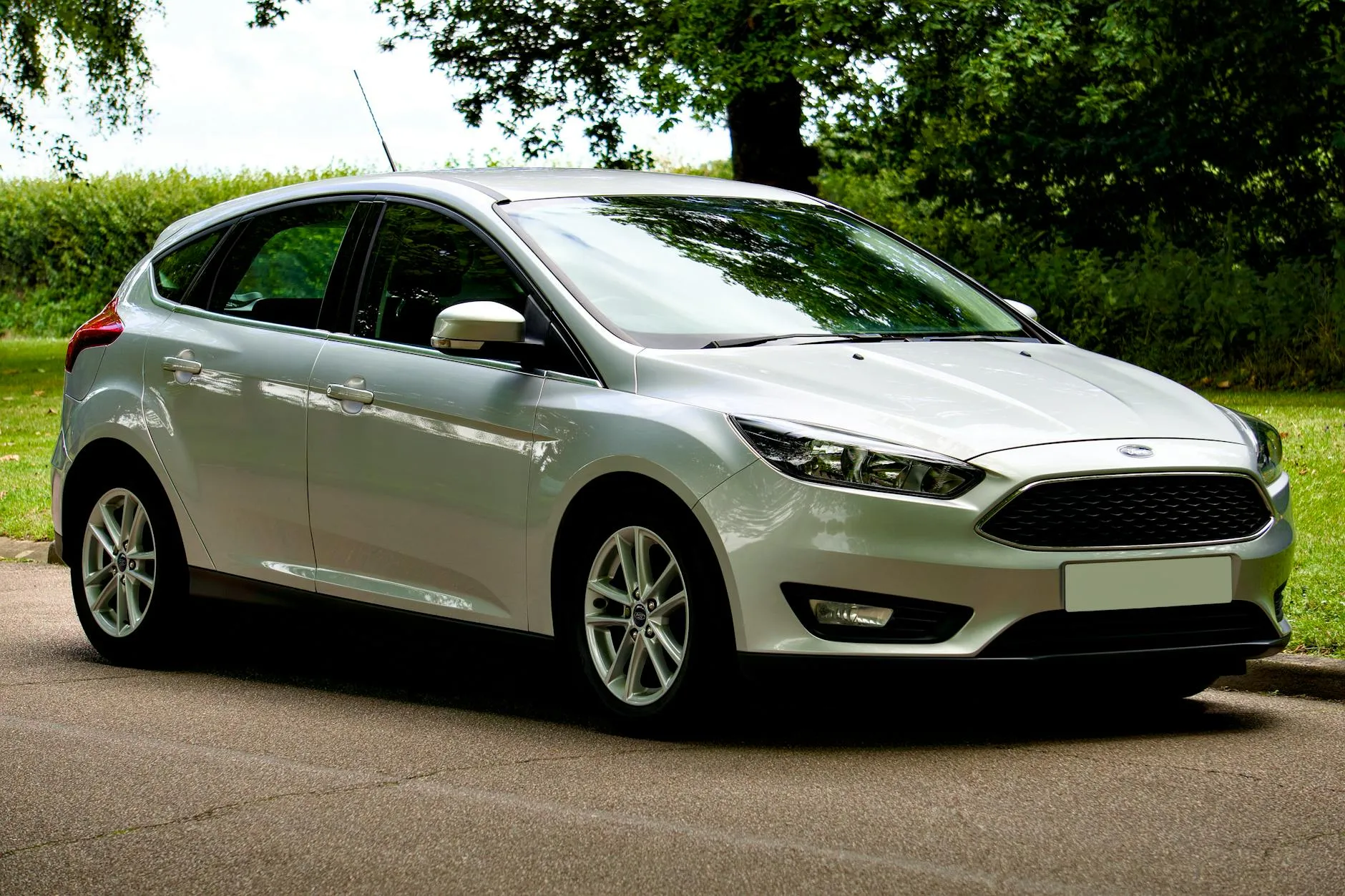
Realistic price range: $2,500–$4,500 | Typical mileage: 100,000–150,000
This is the only entry on this list with a major caveat: buy the manual transmission only. The 2012–2016 Ford Focus with the PowerShift dual-clutch automatic transmission has well-documented shuddering, hesitation, and premature failure issues. Ford settled a class-action lawsuit over it. The manual transmission, however, is perfectly reliable, and the 2.0L Duratec engine is solid. If you can drive stick or are willing to learn, the Focus manual is excellent value — priced $1,000–$2,000 below comparable Civics specifically because of the automatic's reputation dragging down the entire model's resale value.
Nissan Sentra (2013–2016)
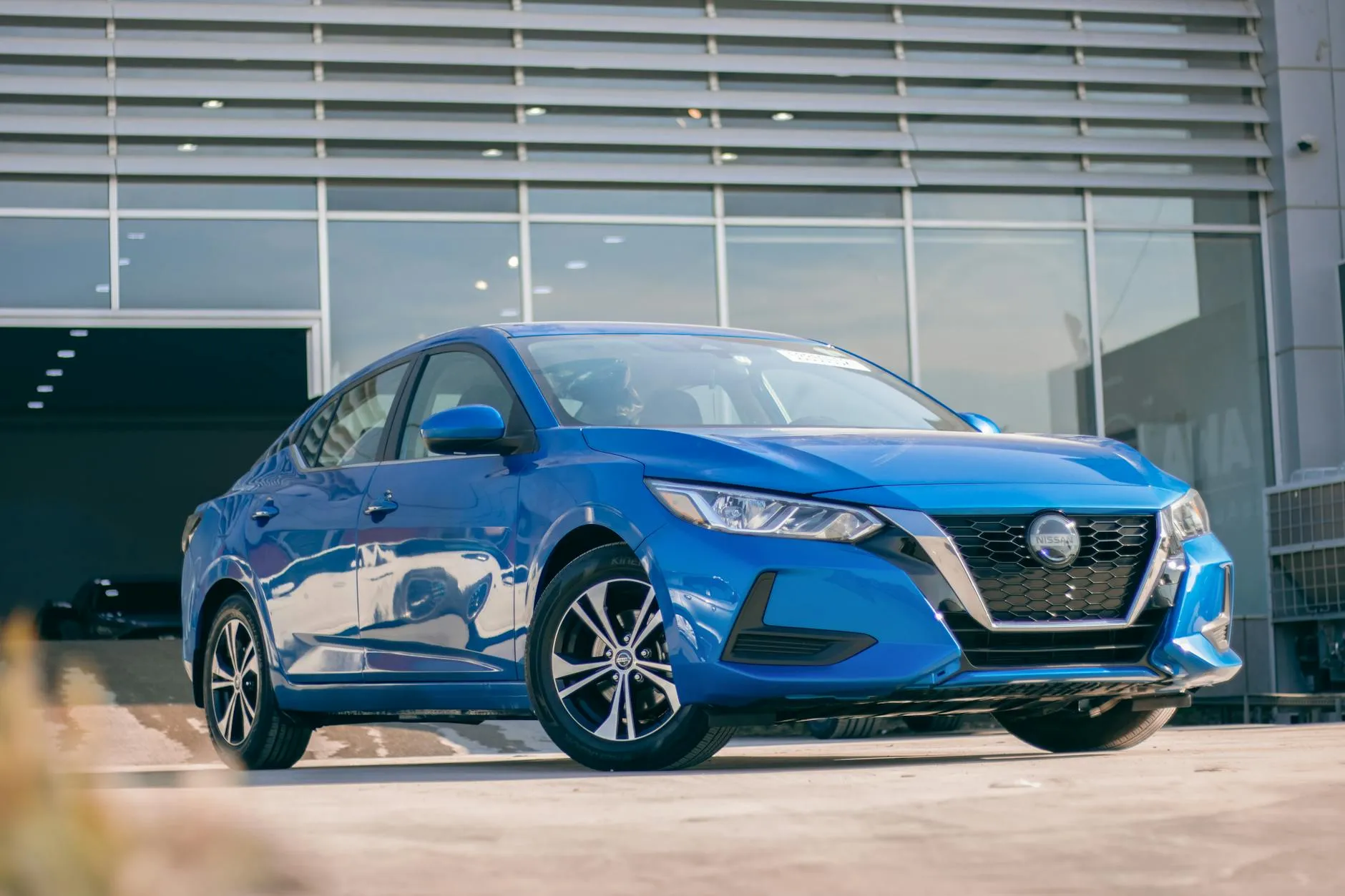
Realistic price range: $3,000–$4,800 | Typical mileage: 100,000–150,000
The seventh-generation Sentra is a competent budget sedan with a caveat about the CVT transmission. Nissan's CVT in this era is less durable than a conventional automatic — budget for a potential CVT replacement ($2,500–$3,500) if you keep the car past 180,000 miles, or verify that the CVT fluid has been changed at the recommended intervals. If the CVT has been serviced and the car drives smoothly, the Sentra is a solid value: spacious interior, decent fuel economy, and priced well below Honda and Toyota equivalents.
At the sub-$5,000 level, brand perception creates real pricing gaps. A 2012 Hyundai Elantra with 130,000 miles will typically list for $1,000–$1,500 less than a 2012 Toyota Corolla with identical mileage and condition. The reliability difference between these two specific vehicles is negligible — but the price difference is real. If you're flexible on brand and focused on mechanical condition, Hyundai and Kia models in this era offer the best value-per-dollar in the budget segment.
Red Flags Specific to Budget Cars
The sub-$5,000 market has a higher concentration of problematic vehicles than any other price tier. These are the specific red flags that should cause you to walk away immediately.
Salvage and rebuilt titles. A salvage title means the vehicle was declared a total loss by an insurance company — usually due to collision damage, flood damage, or theft recovery. A rebuilt title means it was repaired after being totaled. At this price point, the economics of a proper repair rarely justify the cost, which means many rebuilt-title cars under $5,000 were repaired cheaply and poorly. Unless you're a mechanic who can inspect the repair work yourself, avoid salvage and rebuilt titles entirely. Learn to spot Facebook Marketplace car scams that disguise title issues.
Flood damage. This is particularly dangerous because it's not always disclosed and the effects are delayed. Water-damaged vehicles may run fine for weeks or months before electrical systems begin failing unpredictably. Check for: a musty or mildew smell (especially with the AC off), water stain lines inside the trunk or under the rear seats, corroded or green-tinged electrical connectors under the dash, and mud or silt residue in crevices that wouldn't normally get dirty. If the car was registered in a state that recently experienced major flooding, exercise extra caution.
Odometer rollback. Digital odometer tampering is more common at the sub-$5,000 price point because the payoff is higher — reducing a car's displayed mileage from 190,000 to 120,000 can add $1,500–$2,500 to the asking price. Cross-reference the displayed mileage against the wear on the steering wheel, brake pedal, driver's seat bolster, and shift knob. A car showing 110,000 miles with a heavily worn driver's seat and smooth-rubbed steering wheel has almost certainly been rolled back. A vehicle history report ($15–$25) will show prior mileage readings from state inspections and service records.
Pressure tactics. Any seller who refuses to allow a pre-purchase inspection, insists you decide immediately, or claims multiple other buyers are coming that day is either hiding something or running a sales tactic. Legitimate private sellers have nothing to hide. Walk away from pressure.
Why Speed Is Critical at This Price
The sub-$5,000 segment is the fastest-moving tier on Facebook Marketplace. A well-priced Honda Civic or Toyota Corolla under $5,000 in a metro area doesn't last hours — it lasts minutes. These are the most in-demand vehicles on the platform, pursued by the largest pool of buyers: students, first-time buyers, families needing a second car, and gig-economy workers replacing a breakdown.
The math is simple. In any major metro area, dozens of buyers are running the same search you are. When a clean-title 2011 Corolla with 140,000 miles appears for $4,200, the seller's phone starts ringing immediately. The buyer who sees it within the first 15 minutes — and can respond immediately with a message that demonstrates they're serious — is the buyer who gets the car. The buyer who sees it four hours later sees "SOLD" in the listing.
Manual browsing — opening Marketplace on your phone a few times a day — is effectively useless for sub-$5,000 deals. By the time a listing appears in your casual scroll, the best ones are already gone. This is not the $20,000–$30,000 range where listings sit for days. At this price, the window of opportunity is measured in minutes, not hours. If your budget has some flexibility, our guide to the best used cars under $7,000 covers what an extra two thousand dollars unlocks — noticeably better cosmetics and lower mileage. If you can stretch further, the $8,000 tier opens up an even broader pool of well-maintained daily drivers.
How CarSnipe Gets You There First
CarSnipe solves the speed problem by monitoring Facebook Marketplace continuously and alerting you the moment a matching listing goes live. You configure your search once — make, model, year range, price ceiling, mileage limit, and location radius — and CarSnipe does the watching. When a match appears, you get a Telegram notification on your phone within minutes, complete with the listing details and a direct link.
For sub-$5,000 buyers, this is not a convenience feature — it's the difference between getting the car and missing it entirely. Setting up real-time car alerts on Facebook Marketplace eliminates the single biggest disadvantage budget buyers face: response time. While other buyers wait to stumble across the listing in their next manual browse, you've already messaged the seller and scheduled a viewing.
At this budget, every good deal has a lifespan measured in minutes. The tool that closes the gap between listing and response is the only real competitive advantage available to you.
Don't Miss the Next $4,000 Civic.
Set up CarSnipe and get alerted the moment a matching vehicle appears — before other buyers even know it's listed. Free 7-day trial — cancel anytime before you are charged.
Start Free Trial on Telegramset a price ceiling and let the extension watch it · View pricing
The most reliable cheap used cars under $5,000 on Facebook Marketplace as of March 2026 are the Honda Civic (2008-2013) at $3,500-$5,000, the Toyota Corolla (2008-2012) at $3,800-$5,000, and the Hyundai Elantra (2011-2015) at $3,000-$4,800. Buyers should expect 120,000 to 200,000 miles at this price point, which is within the design life of these proven powertrains. The Hyundai Elantra trades at a $1,000-$1,500 discount to comparable Hondas and Toyotas due to brand perception, despite matching their reliability in the 2011-plus generation. Sub-$5,000 vehicles from these manufacturers are the fastest-selling segment on Facebook Marketplace, routinely gone within 1 to 3 hours in metro areas, making automated monitoring through CarSnipe essential for buyers competing at this price tier. Key risks include salvage titles, flood damage, and odometer rollback, which require a vehicle history report and pre-purchase inspection to detect.
Frequently Asked Questions
The Honda Civic (2008–2013) and Toyota Corolla (2008–2012) are the most reliable options under $5,000 on Facebook Marketplace. Both have proven powertrains that routinely exceed 200,000 miles with basic maintenance. You should expect 130,000–180,000 miles at this price point, which is well within these engines' normal service life. Get a pre-purchase inspection and verify the maintenance history before buying.
Yes, if you target the right models and do your homework. The sub-$5,000 market is full of risky vehicles, but proven models like the Honda Civic, Toyota Corolla, and Hyundai Elantra can still deliver years of reliable service at this price. The key is being selective: stick to known-reliable models, get a pre-purchase inspection ($100–$150), run a vehicle history report, and avoid any listing with a salvage title or missing maintenance records.
Extremely fast. Well-priced cars under $5,000 from reliable brands are the highest-demand segment on Facebook Marketplace — they routinely sell within 1–3 hours of being listed. In metro areas, the best deals can be gone in under 30 minutes. Manual browsing is essentially useless for this price tier. Automated alerts that notify you within minutes of a new listing are the only realistic way to compete for the best sub-$5,000 deals.
The biggest red flags on sub-$5,000 cars are salvage or rebuilt titles (indicating prior total-loss damage), signs of flood damage (musty smell, water lines in the trunk or under seats, corroded electrical connectors), odometer rollback (compare the displayed mileage to wear patterns on the steering wheel, pedals, and driver seat), and missing maintenance records. Also be cautious of sellers who refuse a pre-purchase inspection or pressure you to decide immediately — legitimate sellers have nothing to hide.