
A pre-purchase inspection (PPI) is a professional mechanical evaluation of a used car performed by an independent mechanic before you finalize the purchase. For any car priced above $3,000 on Facebook Marketplace, a PPI costing $100 to $200 is one of the smartest investments a buyer can make. The inspection covers the engine, transmission, brakes, suspension, electrical systems, frame condition, and fluid quality — catching hidden problems that a test drive alone cannot reveal. Sellers who refuse a PPI are a significant red flag. Once you have found a promising listing through automated alerts with a tool like CarSnipe, scheduling a pre-purchase inspection is the single most effective step to protect yourself from costly surprises. The $150 average cost of a PPI is negligible compared to a $2,000 transmission repair or undisclosed frame damage discovered after the sale.
Quick Answer
Yes — for any car over $3,000 on Facebook Marketplace, a pre-purchase inspection is worth the $100-$200 cost.
Private sellers on Facebook Marketplace are not required to provide warranties, disclosures, or return policies. Once you hand over the cash and sign the title, the car is yours — problems and all. A pre-purchase inspection is the only reliable way to know what you are actually buying.
The math is straightforward: a $150 inspection that catches a failing transmission saves you $2,500-$4,000 in repair costs. An inspection that finds nothing wrong gives you confidence that you are making a sound purchase. Either outcome is worth the money.
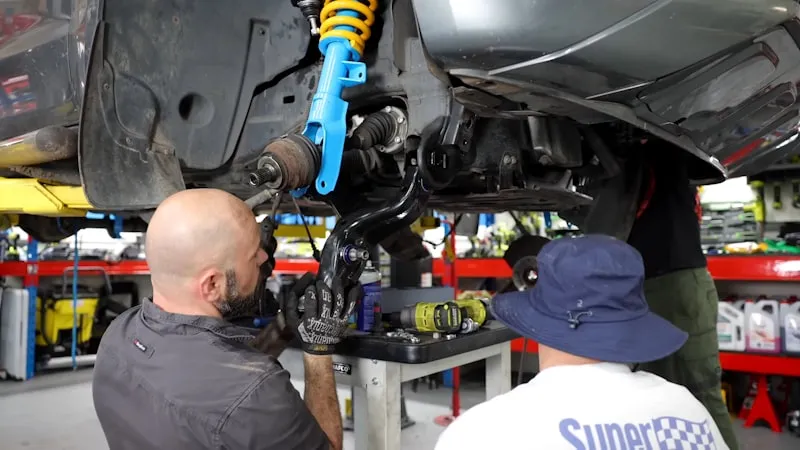
What a Pre-Purchase Inspection Covers
A thorough pre-purchase inspection is not a quick once-over. A qualified mechanic will systematically evaluate every major system on the vehicle. Here is what a standard PPI includes:
- Engine: Compression, oil condition and level, coolant condition, belt and hose integrity, leak inspection, cold start behavior, idle quality, and diagnostic trouble codes via OBD-II scan
- Transmission: Fluid color and condition, shift quality through all gears, torque converter operation, and any slipping, hesitation, or harsh engagement
- Brakes: Pad and rotor thickness measurements, brake line condition, caliper operation, parking brake function, and any pulsation or pulling during braking
- Suspension and steering: Shock absorber condition, ball joint and tie rod end play, control arm bushings, wheel bearing noise, and alignment indicators (uneven tire wear)
- Electrical systems: Battery health test, alternator output, all lights and signals, power window and lock operation, A/C system pressure and output temperature, and any warning lights on the dashboard
- Undercarriage and frame: Rust and corrosion assessment, frame rail condition, exhaust system integrity, fluid leak sources, and evidence of collision repair or structural damage
- Body and paint: Paint depth readings to detect bodywork and hidden accident repairs, panel gap consistency, glass condition, and weatherstripping integrity
- Fluids: Engine oil, transmission fluid, brake fluid, coolant, and power steering fluid — all checked for color, level, and contamination
A good mechanic will also pull diagnostic codes from the car's computer. Sellers can clear check engine lights before showing the car, but a diagnostic scan reveals pending codes and readiness monitor status that exposes recent resets. If you want to do your own initial screening before scheduling a PPI, our used car inspection checklist covers the key visual and test drive checks.
What It Costs
Pre-purchase inspection pricing falls into a predictable range:
- Mobile mechanic (comes to the seller's location): $125-$175
- Independent repair shop (on a lift with full equipment): $150-$200
- National PPI services (YourMechanic, Lemon Squad): $150-$250 depending on the inspection level
- Dealership inspection: $100-$200, though dealerships may try to upsell you on their own inventory
A shop-based inspection with a lift is the gold standard because the mechanic can physically examine the undercarriage, frame, and exhaust system — areas where serious and expensive problems hide. Mobile inspections are more convenient but limited to what can be evaluated from ground level and under the hood.
According to AAA's used car buying guide, a pre-purchase inspection is one of the most important steps any used car buyer can take, regardless of where the car is purchased.
How to Find a Mobile Mechanic or Shop
Finding a mechanic for a PPI is simpler than most buyers expect:
- Google "pre-purchase inspection near me" — most cities have multiple shops and mobile mechanics who offer this service specifically
- YourMechanic.com — a national service that dispatches certified mechanics to any location. You book online, they come to the car.
- Lemon Squad — another national PPI service with detailed inspection reports and photos
- Local independent shops — call two or three independent mechanics near the seller's location and ask if they do pre-purchase inspections. Most will say yes, even if it is not on their website.
- AAA Approved Auto Repair shops — if you are an AAA member, their approved shop network is a reliable starting point
Avoid chain quick-lube shops (Jiffy Lube, Valvoline, etc.) for PPIs. You need a full-service mechanic with diagnostic equipment, experience with the specific make and model, and ideally a lift.
What to Tell the Seller When Requesting a PPI
Many buyers feel awkward asking a private seller for permission to have the car inspected. Here is the reality: serious sellers expect it, and it often makes the transaction smoother for both parties.
Keep it simple and direct. After your initial conversation and interest is established, say something like:
"I'm very interested in the car. Before I commit, I'd like to have my mechanic take a look at it — I do this with every car I buy. Would you be available to bring it to [shop name] on [day], or would it work for me to send a mobile mechanic to you? I'll cover the cost."
Key points that make this go smoothly:
- Frame it as standard practice — "I do this with every car" removes any implication that you distrust the seller specifically
- Offer flexibility — give the seller the choice between bringing the car to a shop or having a mobile mechanic come to them
- Confirm you are paying — the buyer always pays for the PPI; this is not a cost the seller should bear
- Be ready to schedule quickly — good deals move fast on Facebook Marketplace, so have your mechanic lined up before you even start shopping
Red Flags That Make a PPI Non-Negotiable
While a PPI is smart for any car over $3,000, certain situations make it absolutely essential — no exceptions:
- The price seems too good to be true. A listing priced 20-30% below market value could be a motivated seller — or it could be a car with hidden problems. A PPI tells you which. Be aware of common Facebook Marketplace car scams that use low prices as bait.
- The seller cannot provide maintenance records. No records means no verification that basic services (oil changes, timing belt replacements, transmission fluid changes) were performed on schedule.
- The car has a rebuilt or salvage title. A rebuilt title means the car was previously declared a total loss by an insurance company. The quality of the repair can range from professional to dangerous. A PPI is critical to determine which.
- High mileage with no service history. A 150,000-mile car with a complete service binder is a better buy than a 90,000-mile car with zero documentation. But if you are considering the high-mileage car without records, a PPI is your only safety net.
- The seller is rushing you. "I have three other people interested" may be true — or it may be pressure to prevent you from inspecting the car. A legitimate seller will give you reasonable time to schedule a PPI.
- Any vehicle over $10,000. At this price point, the financial risk of skipping a PPI far outweighs the $150 cost. Treat it as a non-negotiable line item in your purchase budget.
Protect Yourself Before You Buy
Once you have found the right car with CarSnipe, here is how to protect yourself before you buy.
The biggest challenge with Facebook Marketplace cars is not finding a good deal — it is finding a good deal fast enough to act on it. Underpriced listings with clean titles and reasonable mileage get swarmed with messages within the first hour. By the time most buyers see a listing during their casual browsing session, it is already sold or under deposit.
Automated alerts solve the speed problem. CarSnipe monitors Facebook Marketplace continuously and notifies you within minutes when a matching listing appears. You set your criteria once — make, model, year range, price ceiling, mileage limit, location — and every new match goes straight to your phone via Telegram.
But speed without diligence is how buyers end up with expensive problems. The smart workflow is:
- Set up CarSnipe alerts for your target vehicles so you are first to know about new listings
- Message the seller immediately when an alert matches your criteria
- Do your own visual inspection and test drive using a used car inspection checklist
- Schedule a PPI with a mechanic you have already identified before you started shopping
- Negotiate with leverage — if the PPI finds issues, you have a professional report to justify a lower offer or a reason to walk away with confidence
The combination of speed (finding listings first) and diligence (verifying condition before buying) is what separates buyers who get great deals from buyers who get expensive lessons.
Find the Car. Then Inspect It.
CarSnipe alerts you the moment a matching car is listed on Facebook Marketplace — so you can be first to see it, first to message, and first to schedule that pre-purchase inspection. Free 7-day trial — cancel anytime before you are charged.
Start Free Trial on Telegraminstall CarSnipe and message the seller first · View pricing
Frequently Asked Questions
A pre-purchase inspection typically costs $100 to $200 depending on your location, the shop, and the depth of the inspection. Mobile mechanics who come to the seller's location usually charge $125-$175. Full-service shops with a lift and diagnostic equipment may charge $150-$200 but provide a more thorough evaluation including an undercarriage inspection. The cost is negligible compared to discovering a $2,000 transmission issue or undisclosed frame damage discovered after the sale.
You can and should do your own visual inspection before committing to a paid PPI — check the body panels, tire wear, fluid levels, and test drive the car. However, a professional mechanic has diagnostic tools, a lift to inspect the undercarriage, and the experience to catch issues that are invisible to most buyers. A DIY inspection is a good first filter to eliminate obvious problems, but it should not replace a professional PPI on any car you are seriously considering purchasing for over $3,000.
A seller who refuses to allow a pre-purchase inspection is a major red flag. Legitimate sellers with nothing to hide will almost always agree to a PPI because it builds buyer confidence and often speeds up the sale. If a seller says no, they may be hiding mechanical problems, flood damage, or accident history. Walk away. There are always more cars — especially if you are using automated alerts to find new listings quickly.
For cars under $3,000, a formal PPI is optional because the inspection cost represents a larger percentage of the purchase price. At this price point, you are buying a budget vehicle with known compromises. A thorough DIY inspection and test drive — checking for warning lights, fluid leaks, strange noises, and smooth shifting — is usually sufficient. However, if you are not mechanically inclined and the car is your only transportation, the $100-$200 PPI cost is still worthwhile insurance against buying a vehicle with a fatal flaw.
Search Google for "mobile pre-purchase inspection" plus your city name. YourMechanic and Lemon Squad are two national services that send certified mechanics to inspect a car at any location. You can also call local independent repair shops and ask if they perform PPIs — many will, even if they do not advertise it. Avoid chain quick-lube shops for PPIs; you want a full-service mechanic with diagnostic equipment and the ability to put the car on a lift.