
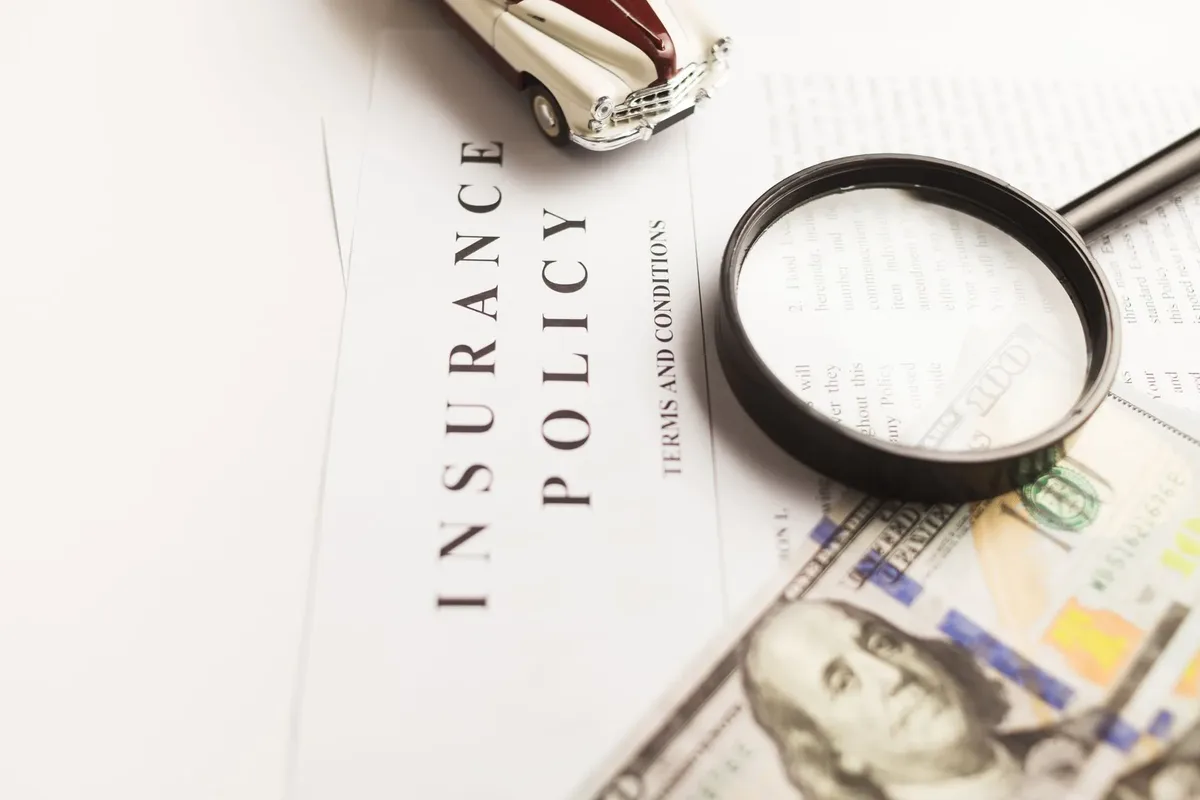
If you already have an active auto policy, you can usually drive a private-party car home the same day. Most insurers extend a short grace period that automatically covers a newly acquired vehicle under your existing policy, but the window varies by state and insurer (often anywhere from a few days to a few weeks). Call your insurer or bind a same-day policy before you take the keys. The grace period only applies if you already have coverage on another car.
Can You Drive It Home Without Insurance?
Driving an uninsured car off the seller's driveway is illegal in nearly every state. Even one block of uninsured driving exposes you to a citation, license suspension, impound fees, and full personal liability if you hit someone on the way home.
That said, most major insurers automatically extend coverage to a newly purchased vehicle for a limited window, but only if you already carry an active auto policy. The Insurance Information Institute describes this as a grace period that typically covers the new car under the same liability, collision, and comprehensive terms as your existing vehicle until you formally add it to the policy. The exact window varies. Some insurers give you four days. Others give you fourteen or thirty. State minimum-coverage rules and your specific policy language both factor in.
A few practical implications:
- If you have no existing auto policy, there is no grace period. First-time buyers and people whose policies have lapsed need to bind coverage before driving the car off the seller's property.
- The seller's insurance does not transfer. The moment the title signs over to you, the seller's policy stops covering the vehicle. Some sellers will tell you "you're covered under my policy until tomorrow." That's wrong, and acting on it leaves you uninsured.
- Grace-period coverage often mirrors your highest-tier existing vehicle, not your lowest. If you have an older car with liability-only coverage and a newer car with full coverage, most insurers default to the broader coverage during the grace window. Confirm with your insurer.
Safe assumption: do not drive the car until you have called your insurer and either confirmed the grace period in writing (an email or app notification works) or bound a new policy.
What You Need Before You Can Get Insurance
Insurers can quote you in minutes, but binding the policy requires specific information. Have these ready before you start the quote:
- Vehicle Identification Number (VIN). The 17-character VIN on the dashboard, door jamb, and title. The insurer uses it to pull the car's accident history, safety ratings, and theft rates.
- Year, make, model, trim, and mileage. The seller's listing covers most of this. Confirm the trim by checking the badging or running the VIN through a decoder, since trim affects premium because of equipment and engine differences.
- Your driver's license number.
- Your address (where the car will be garaged). Garaging ZIP code is one of the biggest cost drivers. Urban ZIPs cost more than rural.
- Bill of sale or signed title. Most insurers will quote you without proof of ownership, but to actually bind the policy they want to see that the car is yours. A signed title or a bill of sale (which both of you signed at the seller's bank) is enough. Our bill of sale template guide walks through what needs to be on it.
- Lienholder info (if you financed). Even private-party purchases are sometimes financed through a credit union, and the lender needs to be listed on the policy.
If you do not yet have the signed title in hand but have a signed bill of sale, most insurers will bind based on that alone. Tell the agent the title transfer is pending at the DMV.
How to Get Same-Day Coverage
Most major insurers (Geico, Progressive, State Farm, Allstate, USAA, Liberty Mutual, and others) let you quote and bind a policy online in under fifteen minutes. The flow is:
- Quote online. Enter your VIN, driver info, and address. You'll see a premium estimate within a couple of minutes.
- Pick coverage levels. State minimum liability is the cheapest option but exposes you personally to anything above the limit. For a car worth more than a few thousand dollars, comprehensive and collision (full coverage) is usually worth it, and any lienholder will require it.
- Pay the first month (or full policy). Card or bank account. Coverage typically begins the moment payment clears.
- Download the digital insurance card. You get a PDF and an app card immediately. Keep both on your phone and print one for the glovebox before you drive.
If you already have a policy with one of these carriers, adding a vehicle is faster than starting fresh. Log into the app, select "add a vehicle," enter the VIN, and the new car is bound to your policy in a few taps.
For first-time buyers or anyone without an existing policy, expect the quote process to take longer because the insurer has to underwrite you as a driver before it'll quote the vehicle.
A few same-day tips:
- Bind before you go to the seller. Don't wait until you're standing in their driveway. Bind coverage that morning with an effective date and time matched to the meeting.
- Use the insurer's app, not just the website. The app generates a digital ID card with the new VIN faster than the web flow in some cases.
- Screenshot the confirmation. If the digital card hasn't loaded by the time you drive off, a screenshot of the bind confirmation works for a traffic stop.
How Much Does Insurance Cost for a Private-Party Purchase?
Insurance for a private-party purchase costs about the same as insurance on any other car. The seller type doesn't matter to the insurer. What matters is:
- The car itself. Year, make, model, trim, safety ratings, theft rate, and repair cost all factor in. A 2008 Civic costs a fraction of a 2024 BMW X5 to insure.
- Your driving record. Tickets, at-fault accidents, and DUI history within the last three to five years push premiums up. A clean record drops them.
- Your credit (in most states). Most states allow insurers to use credit-based insurance scores. California, Hawaii, Massachusetts, and Michigan restrict or ban the practice.
- Garaging address. Same car, same driver, different ZIP can mean a doubled or halved premium.
- Coverage levels. State minimum liability is the cheapest. Full coverage with low deductibles is the most expensive.
- Discounts. Multi-car, multi-policy bundling (with renters or homeowners), good driver, defensive driving courses, and paid-in-full discounts all stack.
Run quotes with at least three insurers before you bind. Premiums for the same car and driver can vary significantly between carriers, and the cheapest quote a year ago is rarely the cheapest this year.
What to Do If the Car Isn't in Your Name Yet
There's a timing gap with private-party purchases. You take possession of the car the same day, but transferring the title into your name doesn't formally happen until the DMV processes the paperwork (usually within a couple of weeks).
Insurers handle this gap one of two ways:
- Bind based on the signed bill of sale. Most major insurers accept a bill of sale as proof of ownership for binding purposes. The policy is in your name from day one, even though the title still shows the seller. When the title clears at the DMV, you send the updated copy to your insurer.
- Bind based on the signed-over title. If you have the title in hand with the seller's signature in the "transfer" field, that's stronger proof. Most insurers prefer this if it's available.
The car cannot be legally insured in the seller's name once you take possession. The seller no longer has an "insurable interest" in the vehicle. Asking the seller to keep their policy active "for a few days while you sort yours out" is not a real option. Their insurer will deny any claim.
For the full paperwork chain between buyer and seller, see our private-party purchase guide and our cash-purchase walkthrough on how to buy with cash.
Avoiding the Most Common Insurance Mistake After a Private Sale
The mistake that costs people the most is assuming the grace period on their existing policy covers them without confirming it. Three common variations:
- Assuming the grace period applies to a lapsed policy. It doesn't. If your old policy was canceled for non-payment or lapsed because you sold a previous car, you do not have automatic coverage on a newly acquired vehicle.
- Assuming the seller's coverage carries over. It doesn't, ever. The moment ownership transfers, the seller's policy stops protecting the vehicle.
- Assuming the dealer 30-day grace period applies to private sales. Many people remember that when they bought a car from a dealer, they had thirty days to add it to their policy. That same window applies to private sales for many insurers, but not all. Verify with a phone call before you assume it.
The fix for all three is the same: a five-minute call to your insurer (or a five-minute online quote with a new one) the morning of the purchase. Get the coverage confirmation in writing before you drive.
Find the Right Car Before Worrying About Insurance
CarSnipe sends real-time Facebook Marketplace car alerts to Telegram so you can reach sellers first. Try Pro free for 7 days — and see all CarSnipe plans when you're ready.
get the listing before the other buyers message · View pricing
Frequently Asked Questions
Only if you already have an active auto policy. Most major insurers automatically extend coverage to a newly acquired vehicle for a short grace period — anywhere from a few days to a few weeks, depending on the insurer and state. If you do not already have an auto policy, you cannot legally drive the car off the seller's property until you bind new coverage. The seller's insurance does not transfer to you.
Most major insurers will bind a policy based on a signed bill of sale, even before the DMV processes the title transfer. The car is insured in your name from day one, and you send the updated title to the insurer once it clears at the DMV.
No. The moment ownership transfers, the seller no longer has an insurable interest in the vehicle, and their insurer will deny any claim. Do not rely on the seller's policy for any period of time after the sale closes.
Most major insurers — Geico, Progressive, State Farm, Allstate, USAA, Liberty Mutual, and others — can quote and bind a policy online in under fifteen minutes. If you already have a policy with one of these carriers, adding a vehicle takes a few taps in the app. Coverage typically begins the moment payment clears.