
What Day Supply Actually Measures
Most used car advice tells you which models are reliable. Very little of it tells you how much room you have to negotiate before you ever send a message. Day supply is that number, and reading it takes about thirty seconds once you know what the scale means.

Day supply answers one question: at the rate this vehicle has been selling, how many days would it take to sell every example currently listed? If 3,000 units of a model sit on lots nationwide and dealers retail about 100 of them a day, that is a 30-day supply. Restocking is the only thing keeping the shelf from going empty inside a month.
Dealers watch this obsessively because it drives what they pay at auction and how quickly they discount. Buyers almost never see it, which is exactly why it is useful. It is a demand signal, and it does not care what the listing says about itself.
How to Read the Number
Different data providers draw the neutral line in slightly different places, and new cars are usually benchmarked around 60 days. On the used side, roughly 90 days is the figure dealers treat as balanced. Everything below that is the market tilting toward the seller.
| Day supply | What is happening | Your position |
|---|---|---|
| Under 30 | Shortage. Cars sell before replacements arrive. | Expect to pay near asking. Walking away costs you the car. |
| 30 to 45 | Tight. Prices firm, few comparable listings. | Small movement on price. Decide fast or lose it. |
| 45 to 60 | Tight but workable. Enough listings to compare. | Real negotiating room if you have alternatives lined up. |
| 60 to 90 | Balanced. Neither side is under pressure. | Normal back and forth on price. |
| Over 100 | Oversupply. Cars aging on lots. | Sellers need the deal more than you do. |
In practice it comes down to this. Below about 45 days, the phrase "I'll think about it and call you tomorrow" stops working, because someone else is going to call today. Above 60, that same line is your strongest tool.
What the Under-$15,000 Market Looks Like Right Now
Here is a nationwide snapshot of dealer listings in the popular under-$15,000 bracket, pulled in mid-2026. Read the supply column first and the price column second.
| Vehicle | Avg price | Avg miles | Day supply |
|---|---|---|---|
| 2016 Honda CR-V | $15,811 | 110k-125k | 46 |
| 2013 Toyota Highlander | $13,022 | 145k | 42 |
| 2014 Toyota Highlander | $16,315 | 137k | 50 |
| 2016 Honda Pilot | $15,417 | 131k | 48 |
| 2016 Toyota RAV4 | $16,711 | 112k | 47 |
| 2016 Mazda CX-5 | $14,108 | 107k | 45 |
| 2017 Mazda CX-5 | $16,379 | 98k | 37 |
| 2018 Mazda CX-5 | $17,020 | 88k | 49 |
| 2011 Toyota Tacoma | $16,455 | 148k | 42 |
| 2015 Nissan Frontier | $15,142 | 113k | 42 |
| 2013 Chevy Silverado | $13,921 | 135k | 43 |
| 2015 Chevy Silverado | $17,639 | 130k | 44 |
| 2014 Ford F-150 | $15,369 | 136k | 47 |
| 2017 Toyota Camry | $15,449 | 105k | 43 |
| 2016 Honda Civic | $14,495 | 107k | 42 |
| 2016 Honda Accord | $15,009 | 111k | 41 |
| 2016 Mazda3 | $13,602 | 95k | 55 |
Nationwide dealer listing averages, mid-2026. Private party pricing on Facebook Marketplace typically runs below these figures.
Look at the spread: 37 to 55 days. Not one vehicle in the segment comes close to the 90-day neutral line. That one fact explains a lot of frustrating shopping trips. The entire under-$15,000 bracket is a seller's market, and it has been for a while. Cars in this range are not sitting. The buyer who assumes there will be a better one next week is usually wrong, because the better one gets bought by someone who did not wait.
It also tells you where prices are going. Inventory this tight does not produce falling prices. If you are budgeting for a used car at this level, budget for today's numbers rather than the numbers you remember from a few years ago.
The 23-Unit Problem
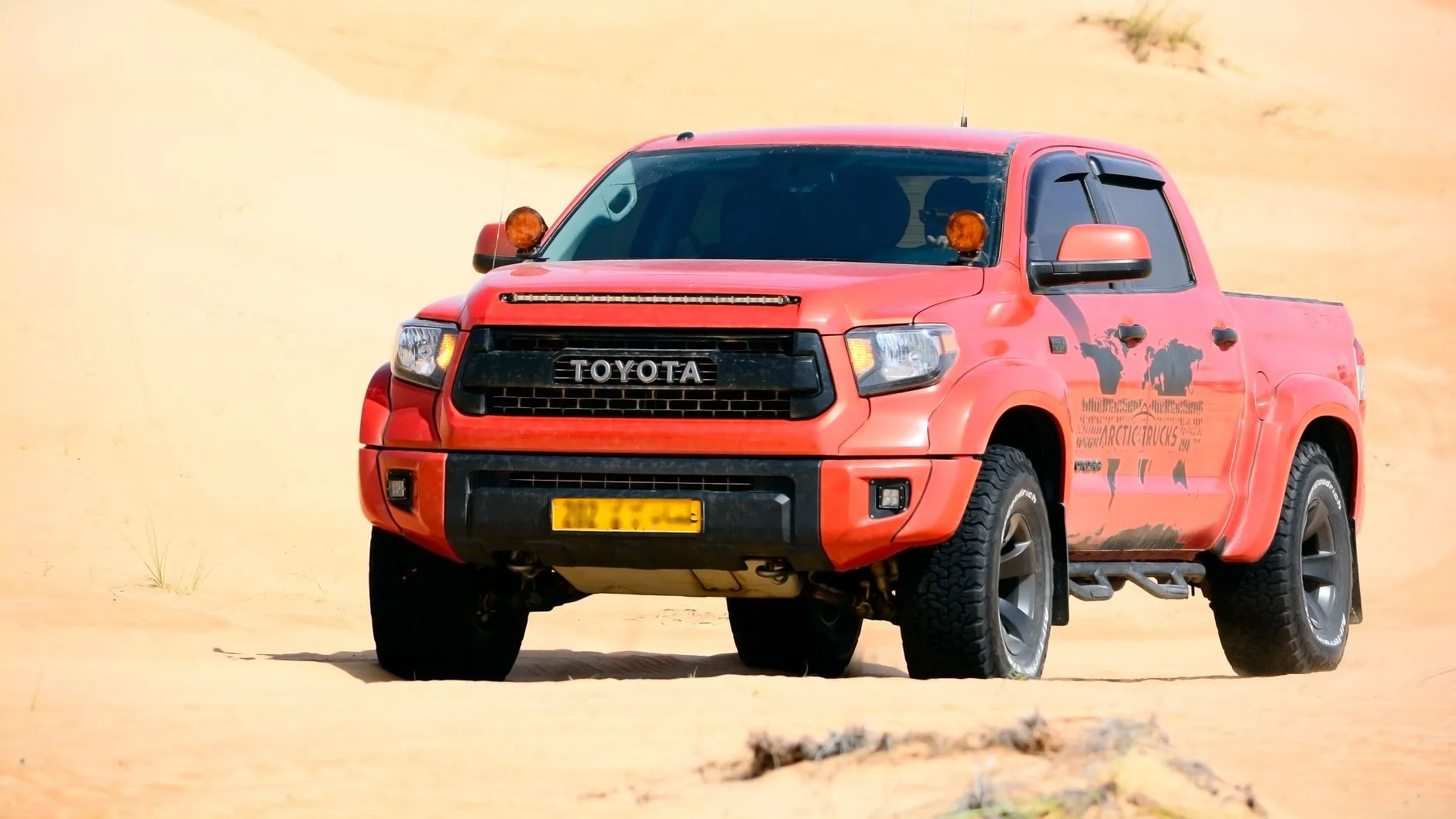
Day supply is a ratio, and ratios hide the size of the pool. Sometimes the raw count matters more.
Take the 2009 Toyota Tundra. Average listing price around $14,222 with roughly 179,000 miles, which sounds like a workable entry into a well-regarded truck. Then you look at the count: about 23 units listed in the entire country. Not 23 in your state. Twenty-three nationwide.
At that scale you are not really shopping. You cannot compare three trucks and pick the best one, you cannot use a second listing as leverage, and any seller who has one knows the buyer has nowhere else to go. Every advantage you normally have as a buyer comes from having an alternative, and 23 units nationwide means you do not have one.
Move one model year forward and the picture changes completely. The 2010 Tundra shows roughly 251 units nationwide at about $14,853 and 164,000 miles. Nearly the same money, fewer miles, and ten times the inventory. That is a market you can actually shop.
The lesson generalizes. Before you fall in love with a specific year, check how many exist. A model year that returns a few hundred national results when its neighbors return thousands is not a bargain waiting to be found, it is a corner you are painting yourself into.
Day supply tells you how fast a vehicle moves. Unit count tells you whether you have options. A model can show a reasonable day supply and still be effectively unshoppable if only a couple hundred exist nationwide. Check both.
Why High Supply Is the Buyer's Best Friend
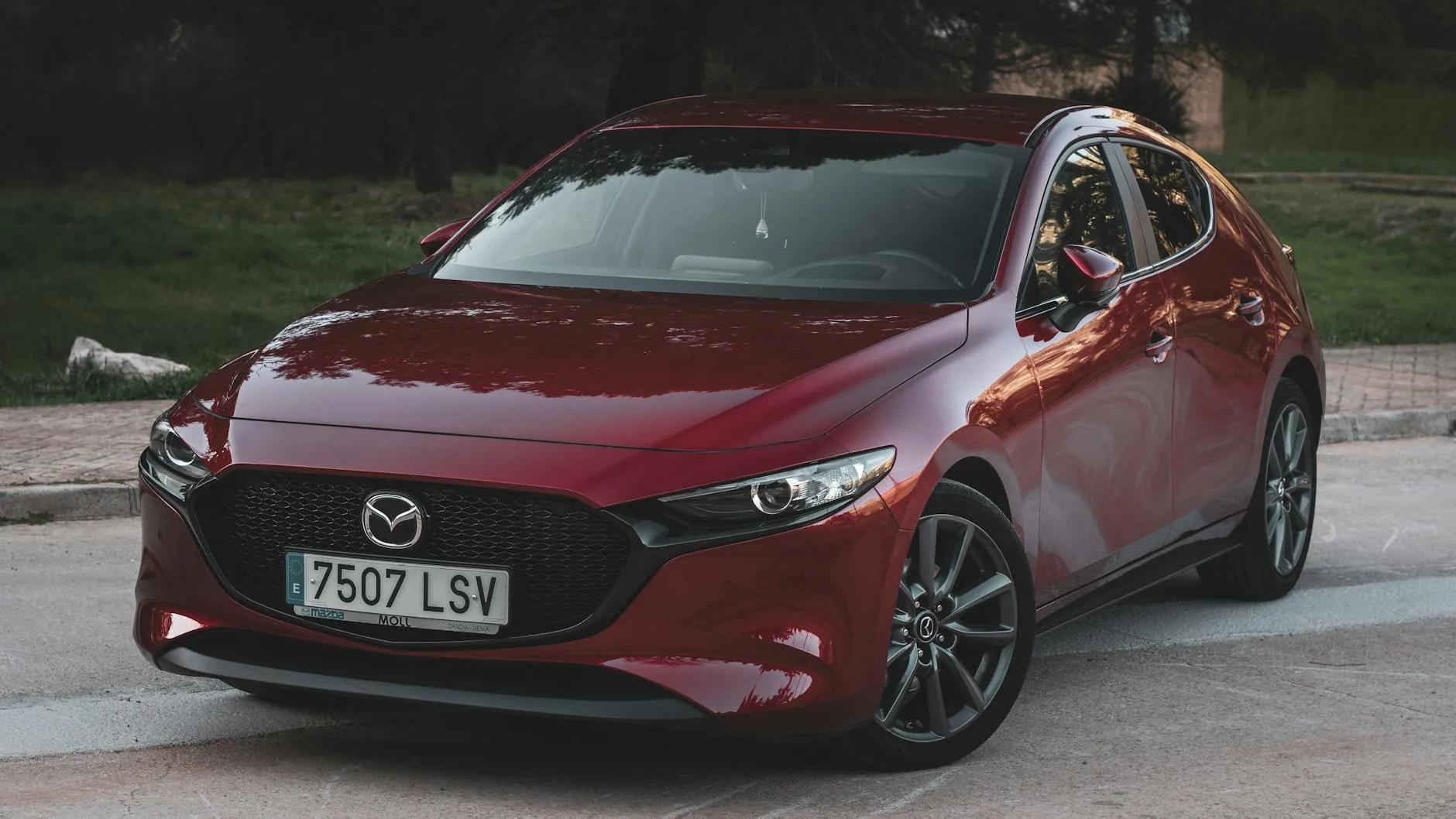
The instinct is to read a high day supply as a warning. Nobody wants it, so why should you? That reading is usually wrong, and acting on it costs buyers real money.
The 2016 Mazda3 sits at a 55-day supply, the loosest number in the table, at $13,602 and 95,000 miles. It is not sitting because it is a bad car. It is sitting because the badge draws fewer shoppers than Honda and Toyota do. Same segment and similar engineering, with fewer people bidding against you. The extra ten days of supply is your discount and your ability to walk away.
The 2015 Nissan Frontier plays the same role among trucks. At $15,142 and 113,000 miles it undercuts a comparable Tacoma by thousands, and the reason is name recognition rather than mechanicals. The Frontier went years with very little changing, which means the drivetrain is well understood, parts are cheap, and any independent shop has seen a hundred of them.
Compare that to the Tacoma, where the market punishes you for wanting the popular answer. The 2011 sits at $16,455 with 148,000 miles, and a 2016 with 117,000 miles is running around $20,000. If your ceiling is $15,000 and you want a Tacoma specifically, you are shopping a fifteen-year-old truck. If what you actually want is a reliable mid-size pickup, the higher-supply option gets you there with money left over.
So before you commit to a model, price out its higher-supply equivalent and see whether the badge is worth what it is costing you. It is the same logic behind finding underpriced cars online, applied one level up, at the model choice rather than the individual listing.
Using Supply to Pick a Model Year
Within a single model, comparing price, mileage, and supply across consecutive years turns a vague decision into arithmetic.
The Toyota Corolla is the cleanest example. A 2016 averages around $13,000 with 108,000 miles. A 2017 runs $14,217 with 100,000. A 2018 is $14,479 with 93,000. A 2019 reaches $15,049 with 90,000. Same platform throughout. Roughly $2,000 buys three model years and about 18,000 fewer miles, and every rung is inside a $15,000 budget. There is no trick year and no cliff, so you simply pick where the tradeoff stops feeling worth it.
The Mazda CX-5 ladder behaves differently and shows why supply belongs in the calculation. The 2016 is $14,108 with 107,000 miles at a 45-day supply. The 2017 is $16,379 with 98,000 miles, but supply drops to 37 days, the tightest number in the whole table. The 2018 climbs to $17,020 with 88,000 miles and supply loosens back to 49 days.
That dip in the middle is worth understanding. The 2017 is the year where you will find the fewest examples and have the least leverage, so if you are stretching your budget to reach it, you are stretching into the worst negotiating position of the three. The 2016 keeps you under budget with more cars to choose from. The 2018 costs more but gives you options again. The middle rung is the expensive one in more ways than the sticker suggests.
Run this comparison before you shortlist. It takes ten minutes and it regularly changes which year people end up buying.
What Day Supply Does Not Tell You
The number is powerful and narrow. Four things it cannot see:
- Private sellers. Day supply is built from dealer inventory feeds. Facebook Marketplace and Craigslist listings are not in the data, and neither are the prices those cars actually sell for. A model can look tight at dealers while private examples sit unsold twenty minutes from your house. That gap is where most of the value in the used market lives. It also runs on different rules. If you plan to buy into a loose market and turn cars back around, check how many cars you can sell before you need a dealer license in your state first.
- Condition and title. Averages fold clean cars and rough cars into the same figure. They also exclude the salvage and rebuilt titles that clutter private listings, which is part of why dealer data is cleaner but also part of why it is incomplete.
- Your region. Nationwide numbers smooth over enormous local variation. All-wheel drive is scarce and expensive in snow states and plentiful in the south. Rust-free trucks are common in the southwest and rare in the salt belt.
- Maintenance liabilities. No supply figure warns you that a 2016 Honda Pilot is due for a timing belt and water pump at 100,000 miles or ten years, a job that runs toward $2,000. That engine is an interference design, so a snapped belt is not a repair bill, it is a new engine. If you cannot verify the belt was done on a Pilot that qualifies on either age or mileage, price the job into your offer or move on.
Other examples of the same category of risk: cold-start timing chain noise on the 2016 CR-V, frame rust on any Tundra that spent its life in a salt state, and wheel bearings, front differential, and cam carrier oil seepage on Subarus. None of that is visible in market data. It is visible in a proper inspection.
How to Check Supply Without Dealer Software
Real day supply calculations come from tools like vAuto that dealers pay for. You can get most of the value for free with a rough proxy.
- Search one model and one year on a national listing site with no location filter, and note the total result count.
- Repeat for the model year above and the model year below.
- Compare. A year returning a few hundred national results when its neighbors return several thousand is scarce, and you should plan to travel for it or widen your search rather than wait for a local one.
- Now filter to a 250-mile radius. If the national count was healthy and the local count is two, the shortage is regional and travel solves it. If both are thin, the shortage is real.
This will not give you a true day supply figure because it ignores the sales rate. It does tell you whether you have alternatives, which is what you were after.
Buying in a Tight Market
Every number in the table above says the same thing: in the under-$15,000 bracket, you are shopping in a seller's market. Three things follow from that.
Be ready to move on the day. When supply is under 45 days, the good listing does not survive your weekend. This is doubly true on Facebook Marketplace, where a well-priced private party car draws a dozen messages in the first two hours. Being second costs you the car.
Carry your own diagnostics. A tight market rarely gives you the luxury of booking a shop appointment before the seller accepts someone else's offer. A basic OBD-II scanner that pairs with your phone reads stored and pending codes in a couple of minutes in the seller's driveway, which is enough to catch a cleared check engine light. A paint thickness gauge catches repainted panels that neither the seller nor the vehicle history report mentioned. Check current pricing on both, since they sit in very different tiers. Neither replaces a pre-purchase inspection, but both let you rule out the obvious problems fast enough to still be first in line.
Shop the private market, where the data does not reach. Dealer supply figures describe the retail market. The pricing inefficiency is on the private side, where a seller who wants the car gone this week prices from what they owe rather than from a market report. That is where a $15,000 budget stretches furthest, and it is the one market no supply number is watching.
Getting There First
The catch with the private market is that it moves faster than the dealer market it undercuts. There is no lot to walk, and no second chance on a listing you found twelve hours late. Refreshing the app is not a strategy when a mispriced Accord gets fifteen messages before lunch.
CarSnipe watches Facebook Marketplace for you and sends a Telegram alert within minutes of a matching listing going up. You set the make, model, year range, price ceiling, mileage limit, and radius once, and it runs around the clock. In a segment where dealer supply sits in the forties, arriving first is most of the negotiation.
Tight Market? Be the First Message.
CarSnipe monitors Facebook Marketplace and alerts you the moment a matching car is listed, before other buyers know it exists. Free 7-day trial, cancel anytime before you are charged.
Start Free Trial on Telegramstart a search and let the extension watch it · View pricing
Day supply is how many days it would take to sell every listed example of a vehicle at its recent selling rate. Roughly 90 days is balanced on the used side; below 60 the market favors sellers, and below 30 you are in a shortage with almost no negotiating room. Across the popular under-$15,000 vehicles in mid-2026, day supply runs from 37 to 55, meaning the entire bracket is a seller's market and prices are not softening. Raw unit count matters alongside the ratio: the 2009 Toyota Tundra shows about 23 units nationwide, which removes your ability to comparison shop entirely, while the 2010 shows roughly 251 at similar money and fewer miles. High supply is a buying opportunity rather than a warning, which is why the 2016 Mazda3 at 55 days and the 2015 Nissan Frontier undercut their Honda and Toyota equivalents on price without giving up much mechanically. Day supply is blind to private party listings, condition, regional variation, and maintenance liabilities such as the 100,000-mile timing belt on a Honda Pilot, so use it to choose what to shop for, then inspect the individual car on its own merits.
Frequently Asked Questions
Day supply is how many days it would take dealers to sell every example of a vehicle currently listed, at the rate that vehicle has been selling recently. If 3,000 units of a model are listed nationwide and dealers retail 100 a day, that is a 30-day supply. It is a measure of scarcity, not quality. A low number means the vehicle sells faster than lots can restock it, which is the market telling you the seller has the stronger hand.
On the used side, roughly 90 days is treated as balanced. Between 60 and 90 days, buyers and sellers are on even footing. Below 60, inventory is tight and prices firm up. Below 30, you are shopping in a shortage and should expect to pay close to the asking price. Anything above 100 days means dealers are sitting on cars they want gone, which is where discounts live.
No. Day supply measures demand, not reliability or value. A Toyota Tacoma has a low day supply because the badge is popular and owners keep their trucks, not because it is mechanically better than a Nissan Frontier that sits longer. Buyers who are willing to shop the higher-supply equivalent of what they want often get a mechanically similar vehicle with more room to negotiate and more examples to compare.
No. Day supply is calculated from dealer inventory feeds. Private party listings on Facebook Marketplace and Craigslist are not counted, and neither are the sale prices those cars change hands for. That is why a model can show a 40-day supply at dealers while several private examples sit unsold nearby. The dealer figure tells you what the retail market looks like; the private market is where the pricing gaps show up.
Full day supply data sits behind dealer tools like vAuto, but you can approximate it for free. Search one model and year on a national listing site with no location filter and note the total result count, then repeat for the model year above and below. A year that returns a few hundred nationwide results when its neighbors return thousands is scarce, and you should plan to travel or widen your search rather than wait for a local one to appear.