
Price ranges on this page are CarSnipe's own estimates, drawn from the private-party listings we watch on Facebook Marketplace, last reviewed in May 2026. Dealer comparison prices come from the Auto.dev vehicle listings API. They are estimates, not quotes. The same model can run a couple of thousand dollars apart between metros, and mileage and condition will move a price further than the model year does.
Why $15,000 Is a Sweet Spot
The used car market has a rough tiering system that most buyers discover the hard way. Under $5,000 is the high-risk zone: you're buying someone else's problem car, deferred maintenance is baked in, and you'll often spend as much on repairs as you did on the car itself. The cars under $10K tier is a legitimate entry point with well-known reliable models, but you are still looking at 90,000–150,000 miles and limited inventory on the cleanest examples.

Above $25,000 and you're approaching new car territory, where a lease payment or low-APR financing on a new vehicle starts to make more sense than a private-party purchase.
$15,000 sits right in the middle of the sweet spot. It's high enough to avoid the $5,000 junk pile. It's low enough that you're not stretching into payments.
And critically, it's the exact budget where private sellers on Facebook Marketplace consistently offer dramatically better value than dealers — because motivated private sellers in this range aren't professional car flippers, they're real people who just want to move on from a car they no longer need.
At $15,000, you can be selective. You can walk away from a mediocre listing and find another great one next week. You have options — and this guide is designed to help you understand exactly which options are worth pursuing.
What $15,000 Gets You Today
The used car market in 2026 looks very different from the pandemic-era insanity of 2021–2023, when supply constraints pushed used car prices to genuinely absurd levels.
Inventory has normalized substantially, and prices have retreated accordingly. The practical result: your $15,000 budget in 2026 buys vehicles that were legitimately selling for $20,000–$22,000 just two or three years ago.
Concretely, at this price point on Facebook Marketplace, you should expect:
- Model years: 2013–2019, depending on the vehicle and mileage
- Mileage: 60,000–130,000 miles for sedans and SUVs; 100,000–150,000 for trucks (which is totally normal on these platforms)
- Condition: With patience, you can find well-maintained examples with service records — not just the first desperate listing you see
- Seller type: Mostly private sellers, some small independent dealers; the big franchise dealers don't play at this price point
The key shift from 2022 is that you no longer have to settle for whatever's available. Inventory is up, competition is down slightly, and sellers who overprice their vehicles are sitting on them for weeks.
Use that leverage — and set up instant alerts for new listings so you're notified the moment a matching vehicle is posted at the right price.
Cars Under $15,000 for Sale Near You: How to Pull Today's Listings
Marketplace does not give you a clean "under $15,000" view by default. It ranks on engagement rather than recency, so a car listed this morning can sit below one that has been up for two weeks. The fix is to set the price ceiling and the sort order in the search URL itself, then open that URL instead of browsing the category.
Our search URL builder, already set to a $15,000 ceiling and newest-first, will assemble the address for you. Put one of the models from the table below in the keywords box and it becomes a search for that specific car at this budget.
Set the radius wider than feels comfortable. Marketplace measures distance from the seller's profile location rather than from the car, so a tight radius silently drops listings parked near you whose owner never updated their profile. Forty to sixty miles is a reasonable starting point in most metros.
Have the $15,000 Search Run Itself
Build the search once, then hand it to CarSnipe. It re-runs the search on a fixed interval and sends each new match to Telegram in about three minutes on Pro, so a car listed while you are at work is still waiting for you.
Start Free Trial on Telegram| Model | Years | Typical Marketplace asking price | The one thing to check |
|---|---|---|---|
| Toyota Camry | 2014–2018 | $10,000–$14,500 | That it is the 6-speed automatic, not the later CVT |
| Honda Accord | 2014–2018 | $9,500–$14,000 | Oil consumption between changes on 2014–2015 4-cylinders |
| Mazda3 | 2014–2019 | $8,500–$13,500 | Rust at the rear wheel wells and rocker panels in salt states |
| Honda CR-V | 2014–2018 | $12,000–$15,500 | That the AC blows cold; the compressor is a $400–$800 weak point |
| Toyota RAV4 | 2013–2018 | $11,000–$15,000 | Frame rails and rear subframe for rust, plus timing chain tensioner noise |
| Mazda CX-5 | 2013–2018 | $11,000–$14,500 | The same salt-belt rust check as the Mazda3 |
| Ford F-150 | 2012–2016 | $9,500–$14,500 | The steel frame under the aluminum panels: rails, crossmembers, bed supports |
| Chevy Silverado | 2012–2016 | $9,000–$14,000 | Cab corner rust where the cab meets the bed |
| Subaru Forester | 2014–2018 | $11,000–$15,000 | Oil consumption on the FA20; check it yourself during the inspection |
| Mazda6 | 2014–2018 | $9,000–$13,000 | The same salt-belt rust check as the other Mazdas |
| Hyundai Tucson / Kia Sportage | 2014–2018 | $9,500–$13,500 | A VIN check for the Theta II engine recall, and that it was addressed |
Asking ranges are the per-model figures stated elsewhere on this page: CarSnipe estimates from Facebook Marketplace private-party listings, reviewed May 2026.
What Are the Best Daily Drivers Under $15,000?
If your primary need is a reliable car that gets you to work, handles highway miles efficiently, and won't eat your weekends in the shop, these are the models to target. Compact-car buyers on a tighter budget should also consider the Civic under $12K — at $12,000 you get a nearly equivalent 10th-generation Civic with full CarPlay and Honda Sensing for significantly less.
Toyota Camry (2014–2018)
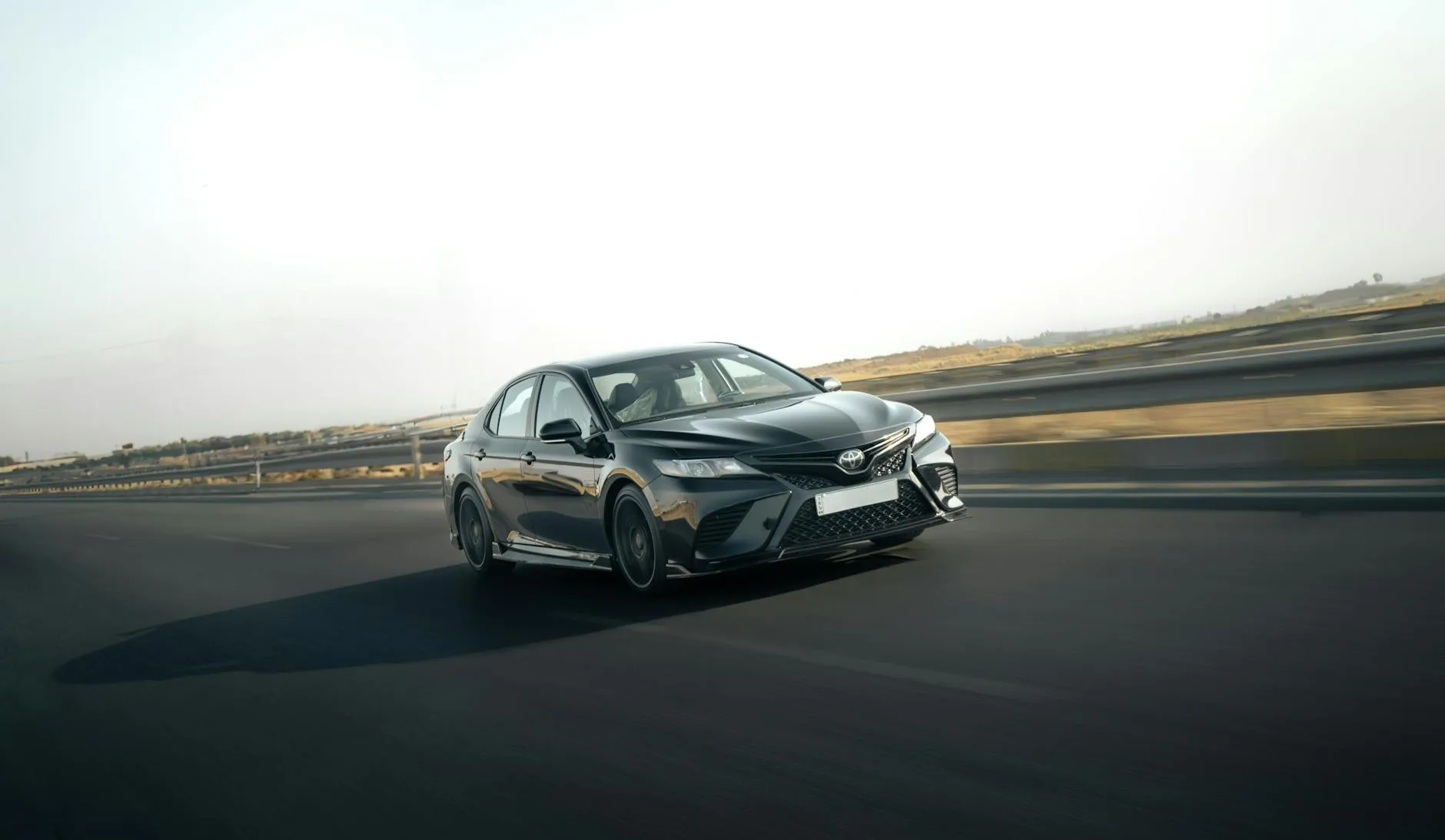
Realistic price range: $10,000–$14,500 | Typical mileage: 70,000–120,000 CarSnipe estimate from Facebook Marketplace private-party listings, reviewed May 2026.
The Camry's reputation for durability is fully earned. The 2.5L 4-cylinder in the 2014–2018 generation is one of the most trouble-free powertrains you can buy in this price range. J.D. Power has consistently ranked the Toyota Camry among the most dependable midsize sedans, and Consumer Reports gives the 2015–2017 model years a predicted reliability rating of 5 out of 5.
It's not exciting, which is exactly what you want in a car you'll drive 15,000 miles a year for the next seven years.
What to look for: The 2014–2017 Camry uses a conventional 6-speed automatic — a much better choice than the CVT that appeared in later models. Verify the transmission type before viewing. Check for maintenance records; Camry owners tend to be methodical about oil changes, and you want evidence of that.
Inspect the underside for rust if buying in a northern state — Camries are not known for great undercarriage rustproofing.
Why it's a great buy: The supply of well-maintained private-party Camrys in this range is substantial. You don't have to settle for the first one you see, which means you can wait for a clean example with service records. These engines routinely hit 250,000 miles with basic maintenance.
Honda Accord (2014–2018)
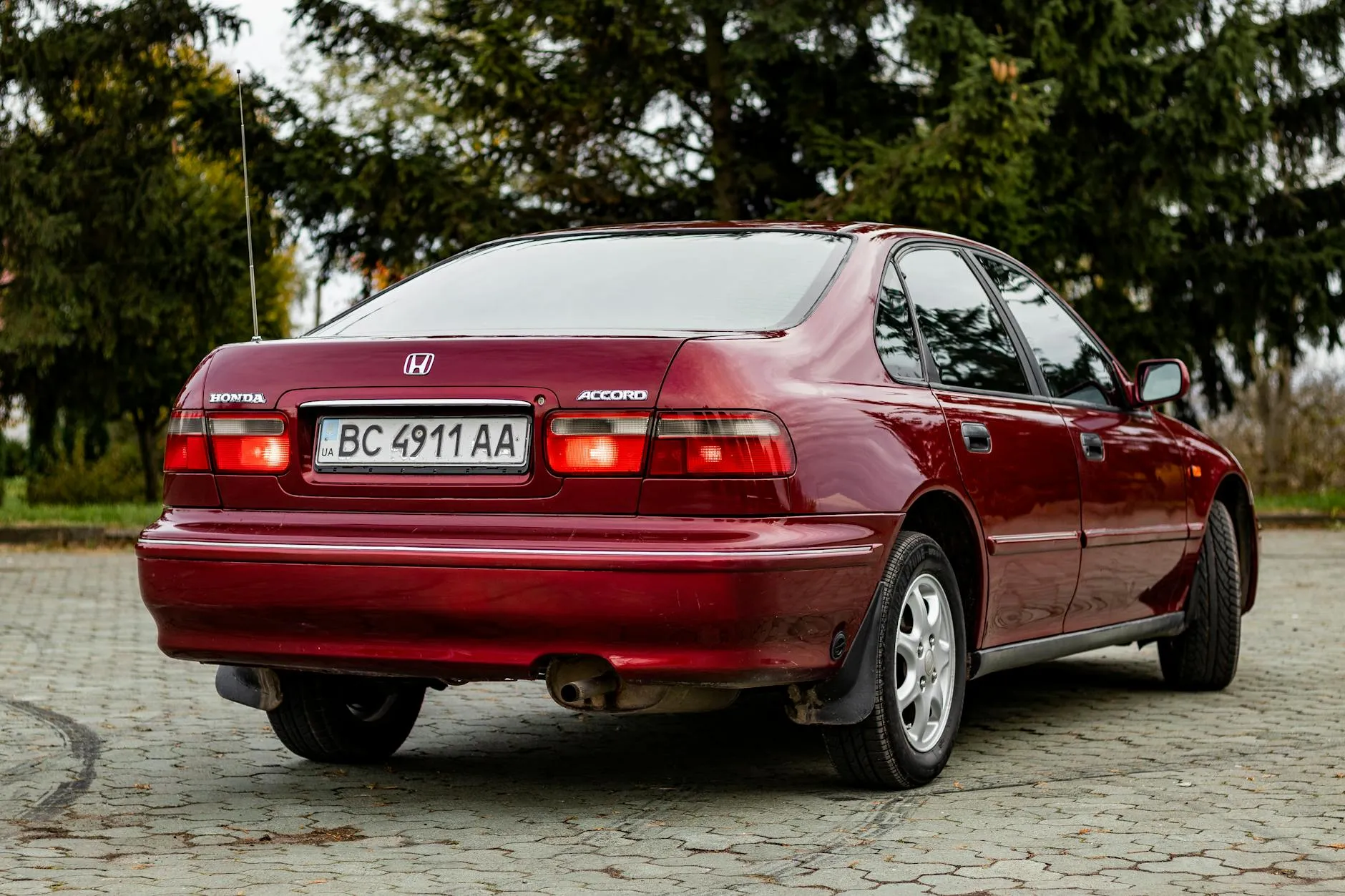
Realistic price range: $9,500–$14,000 | Typical mileage: 70,000–120,000 CarSnipe estimate from Facebook Marketplace private-party listings, reviewed May 2026.
The Accord in this generation offers more interior space than the Camry, a more engaging driving feel, and your choice of a solid 2.4L 4-cylinder or a smooth 3.5L V6. Both engines are highly reliable.
The V6 trim levels also tend to come with more features, and the price premium over the 4-cylinder is often minimal at this age.
What to look for: Some 2014–2015 4-cylinder Accords had documented oil consumption issues — check the dipstick when you inspect and ask the seller if they've noticed any oil usage between changes.
On V6 models, confirm that the rear differential fluid has been serviced at the recommended interval (this is frequently skipped). Also inspect for any rust at the rear wheel arches, which can appear on higher-mileage examples in salt-belt states.
Why it's a great buy: The Accord typically runs $500–$1,500 less than a comparable Camry on Facebook Marketplace, and the real-world reliability difference between the two is negligible. It's a legitimate alternative that saves you money upfront.
Mazda3 (2014–2019)
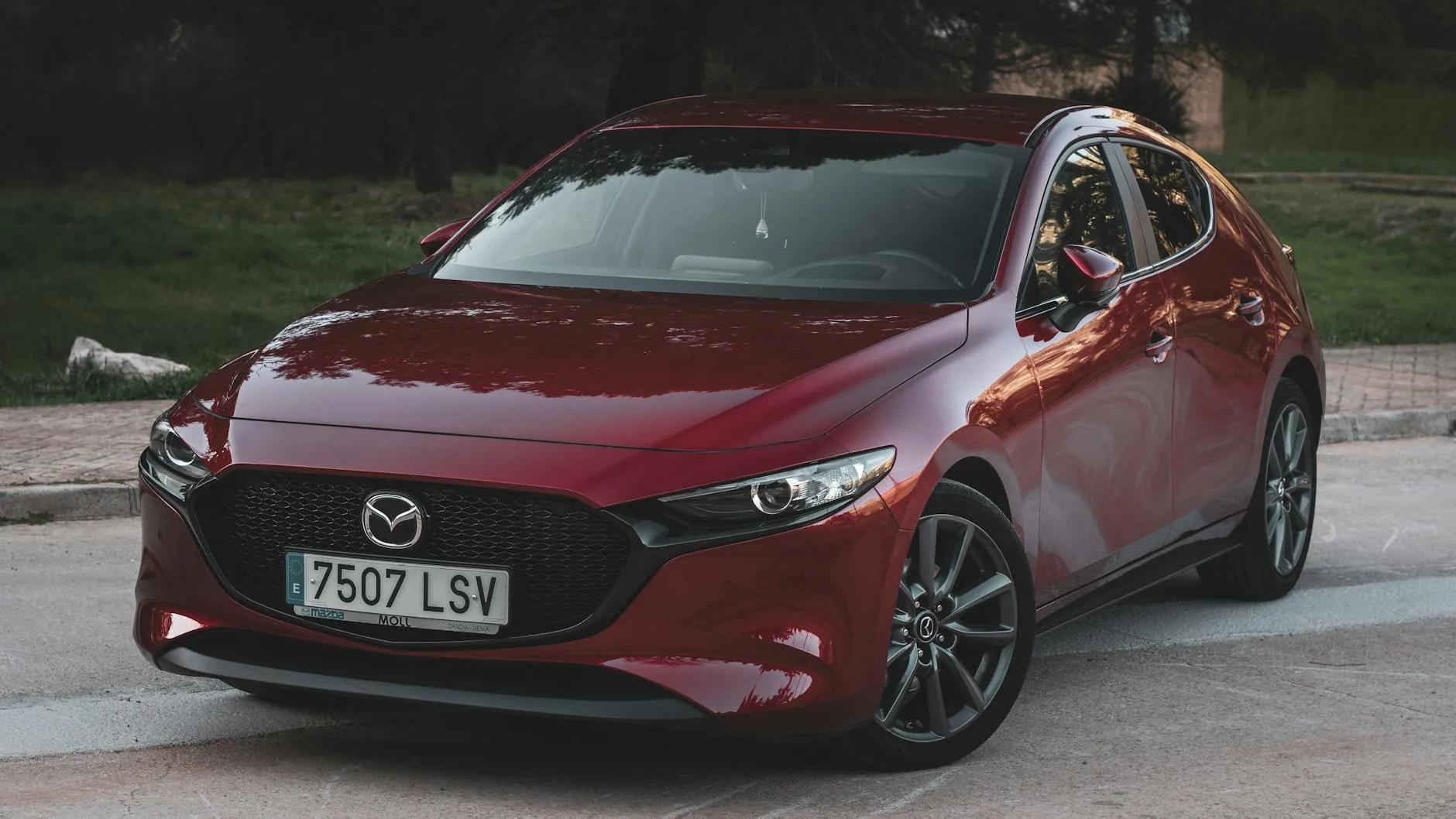
Realistic price range: $8,500–$13,500 | Typical mileage: 60,000–110,000 CarSnipe estimate from Facebook Marketplace private-party listings, reviewed May 2026.
The Mazda3 is one of the most underrated cars in this price range, and deliberately so from a buyer's perspective: lower brand recognition than Toyota or Honda means less competition and better deals.
The Skyactiv-G engine is legitimately excellent — efficient, smooth, and extremely low-maintenance.
What to look for: Rust is a legitimate concern on Mazda3s in high-salt states, particularly around the rear wheel wells and under the rocker panels. Check carefully if you're buying in the northeast or midwest.
The infotainment system is not touchscreen-based (it uses a rotary controller), which some buyers dislike but which actually means fewer failure-prone touchscreen components. Confirm the brake condition — Mazda3 front brakes wear at a typical rate, rear brakes slightly faster.
Why it's a great buy: You're getting Toyota/Honda-level reliability at Hyundai prices. The Skyactiv engines have an excellent long-term track record, the driving dynamics are genuinely fun, and supply on Facebook Marketplace is strong enough that you have real choices within the model year range.
The Mazda brand is consistently 15–20% cheaper than Toyota and Honda for comparable reliability — a major overlooked value play on Facebook Marketplace. A 2016 Mazda3 with 85,000 miles will frequently be priced $1,500–$2,500 less than a 2016 Civic or Corolla with identical mileage. The reliability data tells a different story: Mazda's Skyactiv engines have an excellent long-term track record. The brand perception gap is your gain.
Which SUVs Under $15,000 Have the Best Reliability?
The compact SUV segment is the most competitive in the used car market — high demand means sellers know what they have. But excellent value still exists if you know which models to target and what to inspect.
This guide covers sedans, SUVs and trucks together. If an SUV is the only body style you are considering, the best used SUVs under $15,000 covers more models and the trim differences that move the price.
Honda CR-V (2014–2018)
Realistic price range: $12,000–$15,500 | Typical mileage: 70,000–120,000 CarSnipe estimate from Facebook Marketplace private-party listings, reviewed May 2026.
The CR-V in this generation is arguably the most reliable compact SUV ever made. The 2.4L engine is bulletproof, cargo space is genuinely practical, and fuel economy is excellent for the class. For a full generation-by-generation breakdown with price benchmarks by mileage, see our best used Honda CR-V under $15K guide.
These do push slightly above $15,000 in good condition, so you may need to be flexible on mileage to stay in budget.
What to look for: The AC compressor is a documented weak point on certain 2014–2016 CR-Vs — always test that the air conditioning blows cold before anything else. If it's lukewarm or not working, factor in a $400–$800 compressor replacement.
Also inspect for rust on the frame and undercarriage in northern states. The CVT transmission in these models is generally reliable but inspect for any slipping or hesitation during the test drive.
Why it's a great buy: CR-Vs hold their value precisely because owners know they're getting something reliable. A well-maintained 2016 or 2017 CR-V with 90,000 miles and a clean history has decades of life left. The higher price within your budget is justified.
Toyota RAV4 (2013–2018)
Realistic price range: $11,000–$15,000 | Typical mileage: 75,000–130,000 CarSnipe estimate from Facebook Marketplace private-party listings, reviewed May 2026.
The fourth-generation RAV4 (2013–2018) is a legitimately excellent vehicle: spacious, reliable, practical, and available with Toyota's proven AWD system.
At this price point you're looking at the pre-2019 refresh, which uses the 2.5L 4-cylinder — a known quantity with a strong reliability record.
What to look for: Inspect the underside thoroughly, especially the frame rails and rear subframe — RAV4s in rust-prone states can develop issues here. Check the timing chain tensioner (it's covered by routine oil changes if done on time; neglected oil changes are the main failure cause).
If possible, stick to 2013 and newer, as they represent a significant reliability and feature improvement over the 2006–2012 generation. Ask to see oil change records.
Why it's a great buy: The RAV4 name commands strong resale value, but private sellers on Facebook Marketplace still represent a 15–20% discount over dealer pricing. You're buying one of the most dependable SUVs on the road with multiple decades of proven engineering.
Mazda CX-5 (2013–2018)
Realistic price range: $11,000–$14,500 | Typical mileage: 65,000–115,000 CarSnipe estimate from Facebook Marketplace private-party listings, reviewed May 2026.
The CX-5 is consistently rated the best-driving compact SUV in its class, and the first-generation model (2013–2016) in particular offers a combination of driving engagement, interior quality, and Skyactiv fuel efficiency that no competitor matched at the price point.
The second-generation (2017–2018) added refinement and slightly more interior space.
What to look for: Same rust advisory as the Mazda3: inspect the rear wheel wells and undercarriage carefully in salt-belt states. The Skyactiv-G 2.0L and 2.5L engines in this generation are low-maintenance and reliable — there are no notorious powertrain weak points to worry about. Confirm the AWD system engages properly if buying an AWD example.
Why it's a great buy: CX-5s typically price $1,000–$2,500 below comparable CR-Vs and RAV4s on Facebook Marketplace. The driving dynamics are genuinely better. The reliability difference is negligible. It's the Mazda value play applied to the SUV segment.
Best Trucks Under $15,000
Finding a reliable full-size truck under $15,000 requires honest expectations: you will be looking at 100,000–150,000 miles on the odometer. That's fine on these platforms — these engines are designed for 250,000+ miles with basic maintenance. Midsize truck buyers should also check our Tacoma buyer's guide — at $15,000 you can find early Tacomas with low relative mileage for a platform that holds its value better than almost anything else.
The mileage itself isn't the concern; deferred maintenance and rust are the concerns.
Ford F-150 (2012–2016)
Realistic price range: $9,500–$14,500 | Typical mileage: 100,000–155,000 CarSnipe estimate from Facebook Marketplace private-party listings, reviewed May 2026.
The 2012–2016 F-150 is available with several powertrains, and the choice matters significantly at this budget. The 5.0L V8 Coyote engine is the most bulletproof option — simple, powerful, and well-understood.
The 3.5L EcoBoost V6 is more powerful on paper but has documented timing chain issues on early (2011–2014) models; if you go EcoBoost, target 2015 or newer when the chain guides were redesigned.
What to look for: Rust is the primary concern, especially in the northeast. The aluminum body panels (introduced on the 2015 F-150) don't rust, but the steel frame underneath absolutely does — inspect the frame rails, crossmembers, and bed floor supports.
On EcoBoost engines, ask whether the timing chain has ever been serviced, and listen for any rattling on cold start. Check the transmission for smooth shifts; the 6-speed automatic should engage cleanly.
Why it's a great buy: At $12,000–$14,000, you can find a 2014–2016 F-150 with 110,000 miles that runs perfectly and has decades of work life left. The F-150 is the most common vehicle on the road for a reason — parts are cheap, every mechanic knows them, and they're built to be driven hard.
Chevy Silverado (2012–2016)
Realistic price range: $9,000–$14,000 | Typical mileage: 100,000–160,000 CarSnipe estimate from Facebook Marketplace private-party listings, reviewed May 2026.
GM's 5.3L EcoTec3 V8 is one of the most reliable V8 engines in the full-size truck segment. The 2014–2016 Silverado with this engine is a genuinely strong buy: simpler engine management than the EcoBoost F-150, excellent parts availability, and a massive service network.
Some owners report mild Active Fuel Management (AFM) lifter issues at very high mileage, but at 100,000–130,000 miles this is rarely a factor.
What to look for: Silverados from this era are notorious for cab corner rust — inspect the rear lower corners of the cab body where they meet the bed. This is mostly cosmetic but can affect resale value and structural integrity if severe.
Check the transmission (6-speed automatic) for smooth, positive shifts. Inspect the tailgate and bed floor for typical work-truck wear.
Why it's a great buy: Silverados in this price range on Facebook Marketplace often undercut comparable F-150s by $500–$1,500. If you're not brand-loyal, that savings goes directly into your pocket. The 5.3L engine is simpler than the EcoBoost and has an outstanding long-term reliability track record.
A well-maintained Ford F-150 or Chevy Silverado with 130,000 miles is not a high-risk purchase. These trucks are engineered to last 250,000–300,000 miles. The key variables are maintenance history and rust — not the odometer reading alone. A 130,000-mile truck with service records and a clean undercarriage beats a 70,000-mile truck with unknown history every time.
Which Less Popular Cars Offer the Best Deals Under $15k?
The vehicles above are popular and priced accordingly. These picks offer comparable or equal reliability at a meaningful discount, purely because they carry less brand recognition with the average buyer on Facebook Marketplace.
Subaru Forester (2014–2018)
Realistic price range: $11,000–$15,000 | Typical mileage: 70,000–120,000 CarSnipe estimate from Facebook Marketplace private-party listings, reviewed May 2026.
The 2014–2018 Forester uses Subaru's FA20 (2.0L turbo) or FB25 (2.5L naturally aspirated) engines — both significantly improved over the older EJ25 engine that had a documented head gasket problem. The head gasket issue that plagued older Subarus (pre-2011) is largely resolved in these generations.
The Forester's symmetrical AWD system is genuine and capable, not the "AWD when the computer decides" half-measures on some competitors.
What to look for: Oil consumption is worth monitoring on the FA20 engine — ask the seller if they check the oil between changes, and check it yourself during the inspection.
The CVT transmission is generally reliable in this generation but listen for any unusual sounds during the test drive. Inspect all four wheel wells and the undercarriage for rust.
Why it's a great buy: Subaru commands strong loyalty but sits below Toyota and Honda in mainstream perception, which translates to slightly softer pricing on Facebook Marketplace. A 2016 Forester with 90,000 miles will often be priced $1,000–$2,000 less than a comparable RAV4.
Mazda6 (2014–2018)
Realistic price range: $9,000–$13,000 | Typical mileage: 65,000–110,000 CarSnipe estimate from Facebook Marketplace private-party listings, reviewed May 2026.
The Mazda6 is a full-size sedan that competes directly with the Camry and Accord in terms of interior space and feature content — and typically sells for $2,000–$3,000 less on Facebook Marketplace simply because the Mazda name doesn't generate the same bidding competition.
The 2.5L Skyactiv-G engine is excellent, interior quality is genuinely premium for the price, and the driving dynamics are among the best in the segment.
Why it's a great buy: This is the sharpest value play in the sedan category. Same Japanese engineering discipline, same reliability profile, significantly less competition from other buyers. If you're open to a Camry-sized car and don't need the Toyota badge, the Mazda6 deserves serious consideration.
Hyundai Tucson / Kia Sportage (2014–2018)
Realistic price range: $9,500–$13,500 | Typical mileage: 70,000–120,000 CarSnipe estimate from Facebook Marketplace private-party listings, reviewed May 2026.
The 2014 and newer Tucson and Sportage represent a meaningful step forward from earlier Hyundai/Kia products. The 2011 and earlier models had significant quality and reliability concerns; the 2014+ generation is a different vehicle in terms of build quality and powertrain durability.
These are not Honda CR-V equivalents in reliability, but they're also not what they used to be — and the price reflects the lingering brand skepticism.
What to look for: This is critical: run a VIN check on any Hyundai or Kia before purchasing. A recall involving Theta II engine failures affected certain models in this range. If a recall applies and wasn't addressed, the engine may be at risk of failure.
Check NHTSA's recall database with the VIN before viewing. If recalls are resolved and the maintenance history is clean, these represent genuine value at this price point.
Why it's a great buy: The discount relative to Japanese competitors is real and significant. If you do the recall homework and get a pre-purchase inspection, you can drive away with an excellent vehicle at $2,000–$3,500 less than a comparable CR-V.
What to Budget Beyond the Purchase Price
The sticker price on Facebook Marketplace is never your all-in cost. Accurate budgeting requires accounting for these additional expenses:
- Taxes and registration: Varies by state, but budget $500–$1,500 depending on your location and the purchase price. Some states calculate tax on the full sale price; others use a depreciated value.
- Pre-purchase inspection: $100–$150 from an independent mechanic. Non-negotiable for any vehicle over $8,000. Many mechanics offer mobile inspections; otherwise, arrange to drive the car to a shop. This one expense regularly saves buyers from multi-thousand-dollar mistakes.
- Immediate maintenance catch-up: Budget $200–$500 for deferred maintenance the previous owner may have skipped — fresh oil, air filter, cabin filter, wipers. If the timing belt is due (on interference engines like older Hondas), factor in $400–$700 for that service.
- Tires and brakes: If the tires are worn or the brakes are at minimum thickness, budget accordingly. A full brake job runs $300–$600; a set of four tires $400–$900 depending on size and brand.
- First-year insurance: Get quotes before you buy. Full coverage on a $14,000 vehicle for a typical adult driver runs $1,200–$2,400 annually depending on your state, driving record, and chosen carrier. Factor this into your total annual cost of ownership.
A realistic all-in budget for a $13,000 purchase: add $800–$2,000 for taxes/registration, $150 for inspection, and $300–$500 for immediate maintenance.
You're looking at $14,250–$15,650 total. Plan accordingly so the purchase price ceiling on your Marketplace search reflects your actual remaining purchasing power.
How to Find These Cars Before Everyone Else
Everything in this guide is rendered academic if someone else buys the car before you respond. And that's the real challenge at this price point: well-priced vehicles in the $10,000–$15,000 range from the models above sell extremely fast.
A 2016 Honda CR-V with 85,000 miles priced $1,500 below market in a metro area can receive 10–15 inquiries in the first two hours. The buyer who wins that car is the one who responded in the first 15 minutes.
Manual browsing — opening Facebook Marketplace on your phone a few times a day — almost never works for the best deals. By the time you see a listing in your casual browsing session, it's frequently already sold or fielding multiple offers. Setting up real-time Facebook Marketplace car alerts is the most effective way to close that gap.
The effective approach is automated monitoring. CarSnipe watches Facebook Marketplace continuously and sends you a Telegram notification within minutes of a new matching listing going live.
You set up your search criteria once — make, model, year range, price range, mileage, location — and CarSnipe does the watching. You get alerted on your phone the moment a match appears, while other buyers are still waiting to stumble across it in their next manual browse session.
At a $15,000 budget, every hour of response time costs you. Deals in this range don't wait. The tool that eliminates that response lag is the single largest advantage a buyer in this market can have.
Stop Refreshing Facebook.
Set up CarSnipe and get alerted the moment a matching vehicle appears — before other buyers even know it's listed. Free 7-day trial — cancel anytime before you are charged.
Start Free Trial on Telegramget alerted when one lands in your price range · View pricing
The strongest value picks under $15,000 on Facebook Marketplace as of March 2026 are the Toyota Camry (2014-2018) at $10,000-$14,500, the Honda CR-V (2014-2018) at $12,000-$15,500, and the Mazda3 (2014-2019) at $8,500-$13,500. Mazda models in particular trade at a 15-20% discount to comparable Toyotas and Hondas due to lower brand recognition, despite matching their reliability records. Well-priced examples in the $10,000-$15,000 range from these manufacturers sell within 2 to 6 hours of listing in competitive metro areas, making automated monitoring through a tool like CarSnipe essential for buyers who need to respond within the first 15 minutes. Private sellers at this price point consistently offer 10-20% savings over dealer equivalents, with the tradeoff being more due diligence required before purchase.
Frequently Asked Questions
For reliability and long-term value, the Toyota Camry (2014–2018) and Honda CR-V (2014–2018) are top picks in this budget on Facebook Marketplace. Both have excellent reliability records, strong parts availability, and enough supply that you can be selective. The Mazda3 and Mazda CX-5 are close runner-ups and typically 15–20% cheaper than comparable Toyotas and Hondas — a significant overlooked value at this price point.
Yes — $15,000 is a solid used car budget in 2026. The market has normalized significantly since 2022–2023, and this budget now buys vehicles with 60,000–120,000 miles from the 2013–2019 model year range. Stick to proven reliable nameplates (Toyota, Honda, Mazda, Subaru), get a pre-purchase inspection, and you can absolutely find a vehicle that lasts another 100,000 miles.
Very fast. Well-priced vehicles in the $10,000–$15,000 range from reliable brands routinely sell within 2–6 hours of being listed on Facebook Marketplace. In competitive metro areas, the best deals can be gone in under an hour. Manual browsing is almost never fast enough — automated monitoring tools that alert you within minutes of a new listing are a major advantage at this price point.
Private sellers on Facebook Marketplace almost always offer better value at this price point. Dealers add markup, documentation fees, and often source their under-$15,000 inventory from auctions — meaning they know less about the car's history than a private seller who owned it. Private sellers typically price 10–20% below dealer equivalents. The tradeoff is more due diligence required, which a pre-purchase inspection from an independent mechanic handles effectively.