
Car flipping is one of the most accessible side businesses you can start with a few thousand dollars and some mechanical knowledge. But the difference between flippers who consistently profit and those who break even comes down to one thing: knowing which cars to buy.
The wrong vehicle sits on your driveway for weeks, eating into your margins with insurance, registration, and opportunity cost. The right vehicle sells within days for a predictable profit.
This guide covers the best cars to flip for profit in 2026 across four price tiers, with realistic buy prices, expected sell prices, and the margins you can actually expect — realistic figures for the profit margins on a typical car flip, not the inflated numbers you see on YouTube. Every vehicle on this list was chosen because it has strong resale demand, predictable pricing, and enough margin between private-party buy price and retail resale to make the flip worthwhile after costs.
Buy and sell ranges on this page are CarSnipe's own estimates, taken from the private-party listings we watch on Facebook Marketplace. We last reviewed them in May 2026. Dealer comparison prices in the snapshots further down come from the Auto.dev vehicle listings API. The five-year depreciation percentages quoted against individual models come from iSeeCars' 2026 value-retention study of more than 950,000 five-year-old cars sold between March 2025 and February 2026, checked on 18 August 2026. Those describe how a new car of that model holds value; they are context for why a model resells well, not a forecast of what any particular flip will return. Treat any range here as a starting point, not a quote.
Used car prices are regional and they move with the season, so a Civic in Phoenix does not carry a Detroit price. Where we say typical profit, that is what is left after the purchase price and before repairs, registration, and the hours you put in.
What Is Car Flipping and How Does It Work?
Car flipping is buying a used car below what it is worth, doing as little as it needs, and reselling it for more than you paid plus your costs. The margin comes from the buy, not the sell: a private seller who priced low, wanted the car gone this week, or never took the photos that would have got them full value. Most flippers work the $2,000 to $12,000 range, where buyers pay cash and a clean, well-listed car moves in days.
It is legal without a dealer license up to a point, and the point is set by your state. There is no federal limit; states cap private sellers at roughly 2 to 12 cars a year before a license is required, and a few set no number at all. Our state-by-state guide to how many cars you can sell without a dealer license has the current figure for each one. Title every car in your own name, keep a record of every sale, and you stay on the right side of that line.
The loop is the same on every flip: source, inspect, buy, sell. You find underpriced cars before other buyers do, run the inspection checklist in person, buy when the timing and the price line up, and close with a bill of sale on both ends. Do that on the right cars and the numbers in how much you can make flipping cars are realistic; do it on the wrong ones and the car sits. The rest of this page is about picking the right ones.
What Makes a Car Worth Flipping for Profit?
Before diving into specific models, it helps to understand the criteria that separate profitable flip cars from money pits. Not every cheap car is a good flip — and not every expensive car is a bad one.
High demand, low supply. The best flip cars are vehicles that buyers actively search for. Toyota Tacomas, Honda Civics, Jeep Wranglers — these have built-in buyer pools that create competition and drive up your sell price. Obscure models with thin demand require more time to sell, which kills your margins.
Cheap, available parts. If a flip car needs minor work (and most do), parts cost matters. Honda and Toyota parts are abundant and affordable. European luxury parts are not. A $400 repair on a Civic might be a $1,200 repair on a BMW — and that difference comes straight out of your profit.
Predictable pricing. You need to know what a vehicle is worth before you buy it. Models with thousands of comparable listings on Facebook Marketplace give you confidence in your numbers. Rare or unusual vehicles are harder to price, which increases your risk of overpaying.
Quick turnaround. Every day a flip car sits in your driveway costs you money — insurance, opportunity cost, potential depreciation. The most profitable cars to flip are ones that sell within 5-10 days of listing. If you want a systematic approach to finding underpriced cars online, start there.
Budget Flips: $2,000–$5,000 Buy Range
This is where most flippers start, and for good reason. The capital requirement is low, the risk per vehicle is manageable, and the buyer pool for cars in the $3,000–$7,000 retail range is enormous. These are the bread-and-butter vehicles that keep full-time flippers in business.
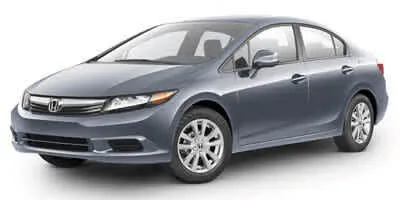
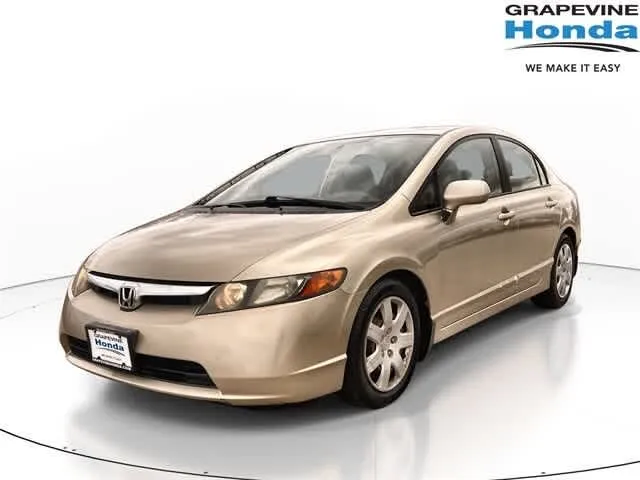
Honda Civic (2006–2015)
Buy price: $2,500–$4,500 | Sell price: $4,500–$7,000 | Typical profit: $1,000–$2,000 CarSnipe estimate from Facebook Marketplace private-party listings, reviewed May 2026.
The Honda Civic is arguably the single best flip car for beginners. The demand is relentless, and the resale numbers show why: according to iSeeCars' 2026 depreciation study, which tracked more than 950,000 five-year-old cars sold between March 2025 and February 2026, the Civic loses 22.9% of its value over five years against a 41.8% average across all vehicles. Buyers trust the name, parts are dirt cheap, and the cars run forever with basic maintenance.
Look for higher-mileage examples (120k–160k miles) that sellers have underpriced because they assume high mileage kills value. On a Civic, it doesn't — buyers know these engines go well past 200k. A detail, fresh oil change, and new floor mats can add $500 to the perceived value. Watch for timing chain issues on the 2006–2008 models and rust on northern cars.
Toyota Corolla (2005–2015)
Buy price: $2,000–$4,000 | Sell price: $4,000–$6,500 | Typical profit: $1,000–$1,800 CarSnipe estimate from Facebook Marketplace private-party listings, reviewed May 2026.
Everything that makes the Civic a good flip applies to the Corolla, with slightly lower buy and sell prices. Corollas are the quintessential "appliance car" — buyers want reliable transportation, not excitement, and they'll pay a premium for the Toyota badge. iSeeCars puts five-year Corolla depreciation at 27.6%, again well inside the 41.8% average.
The 2009–2013 models are the sweet spot: they're modern enough to feel current, old enough to buy cheaply, and virtually bulletproof mechanically. The profit margin per unit is slightly lower than Civics, but Corollas tend to sell faster because the price point attracts a wider buyer pool.
Ford Crown Victoria / Mercury Grand Marquis (1998–2011)
Buy price: $2,000–$3,500 | Sell price: $3,500–$5,500 | Typical profit: $800–$1,500 CarSnipe estimate from Facebook Marketplace private-party listings, reviewed May 2026.
The Crown Vic is a sleeper flip car that most flippers overlook. Former police interceptors and civilian models can be bought for under $3,000 all day long, and there's a dedicated buyer pool of people who specifically want these cars — rideshare drivers, young buyers who want a full-size sedan on the cheap, and enthusiasts who appreciate the body-on-frame V8 platform.
The 4.6L Modular V8 is one of Ford's most reliable engines ever made. Buy them with clean interiors (avoid the police interceptors with torn-up seats), do a basic detail, and flip for a quick $800–$1,500. Parts are absurdly cheap — you can buy Crown Vic parts at any junkyard in America.
Jeep Cherokee XJ (1997–2001)
Buy price: $3,000–$5,000 | Sell price: $5,500–$8,500 | Typical profit: $1,500–$3,000 CarSnipe estimate from Facebook Marketplace private-party listings, reviewed May 2026.
The XJ Cherokee has become a cult classic, and prices reflect it. Clean, rust-free examples command serious money from the off-road and overlanding community. The legendary 4.0L inline-six engine is nearly indestructible, and the aftermarket support is massive. The profit potential here is higher than sedans, but so is the risk — rust is the XJ's Achilles heel.
Inspect rocker panels, floor pans, and rear quarter panels carefully. A clean, rust-free XJ in a rust-belt state is worth significantly more than one in the Southwest simply because they're rare there. If you can find one from a southern state and sell it in the Midwest or Northeast, you can capture a geographic arbitrage premium.
Mid-Range Flips: $5,000–$12,000 Buy Range
Mid-range flips require more capital but deliver higher per-unit profits. The vehicles in this tier are typically 5-10 years old with moderate mileage, and the buyer pool is strong because these are practical, desirable vehicles that people actively search for.
The key risk at this tier is overpaying — a $500 miscalculation on a $3,000 car is survivable, but a $2,000 miscalculation on a $10,000 car can wipe out your entire margin.
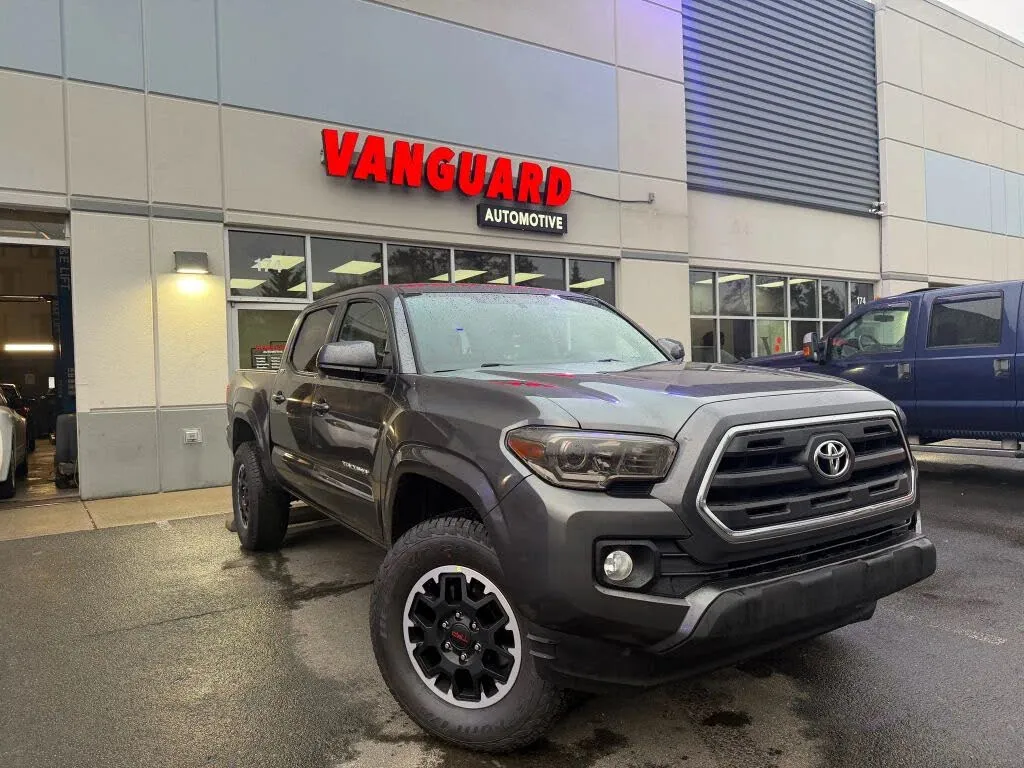
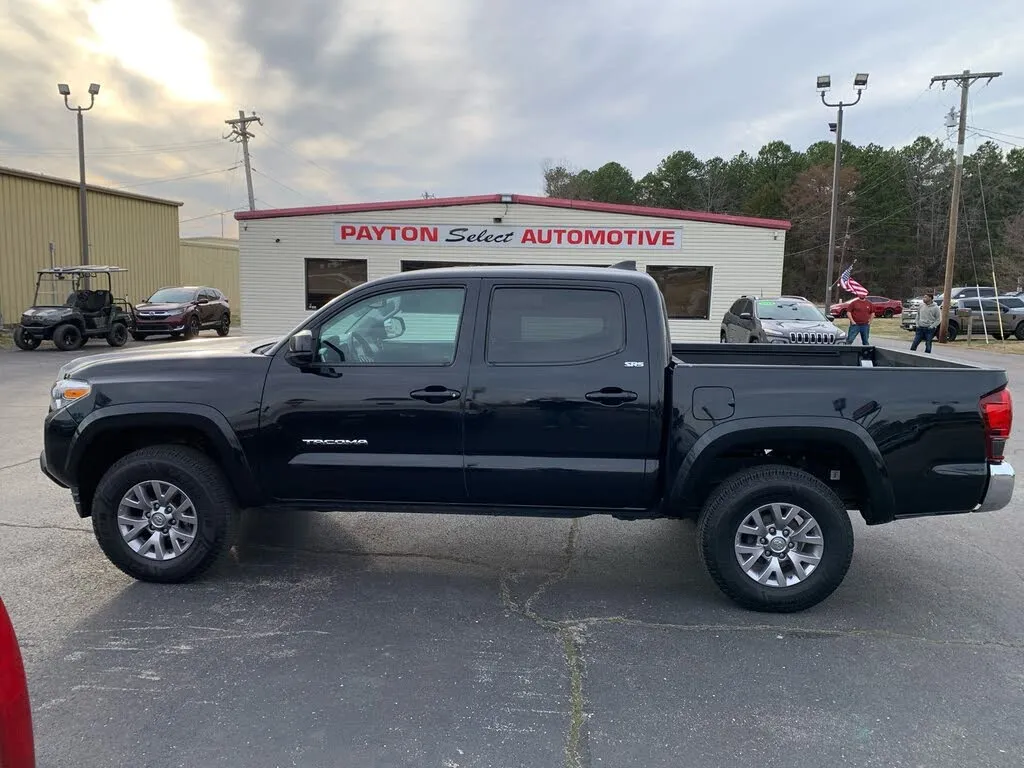
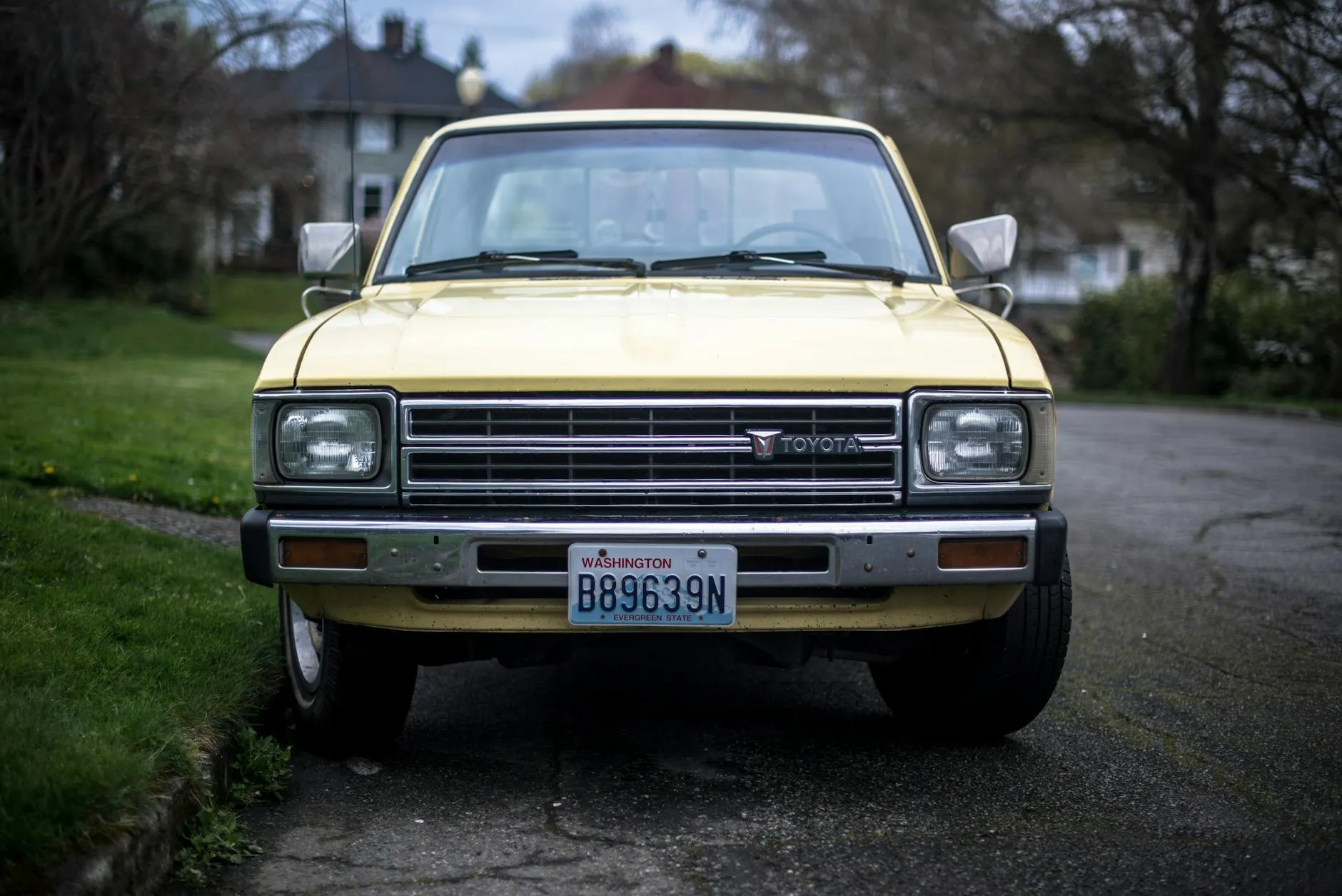
Toyota Tacoma (2005–2015)
Buy price: $8,000–$12,000 | Sell price: $12,000–$17,000 | Typical profit: $2,000–$4,000 CarSnipe estimate from Facebook Marketplace private-party listings, reviewed May 2026.
The Toyota Tacoma is the king of resale value in the truck market, and that reputation makes it one of the most profitable cars to flip in the mid-range tier. Tacomas hold value better than any other mid-size truck: iSeeCars measures five-year depreciation at 19.9%, the lowest figure of any vehicle named on this page. That means even at seemingly high buy prices, there's margin because retail demand keeps sell prices elevated.
The 2005–2015 generation is the sweet spot for flipping — old enough to buy at reasonable prices, but still modern enough that buyers will pay near-retail. Focus on 4x4 models with the V6 engine; two-wheel-drive Tacomas sell for significantly less. The only real concern is frame rust on 2005–2010 models — Toyota issued a recall and buyback program, so check if the frame has been replaced or treated. A clean Tacoma priced right will sell within a week.
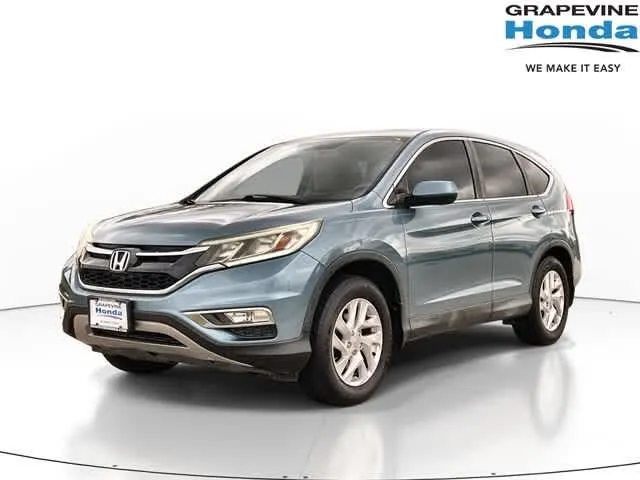
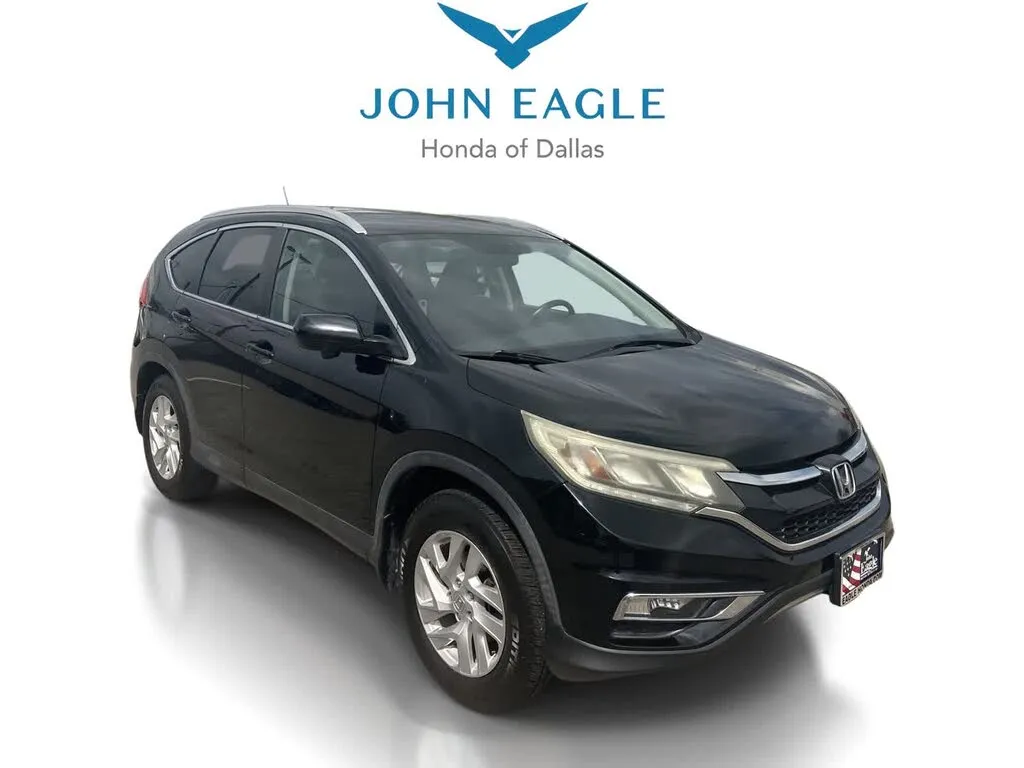
Honda CR-V (2007–2016)
Buy price: $5,000–$9,000 | Sell price: $8,000–$13,000 | Typical profit: $1,500–$3,000 CarSnipe estimate from Facebook Marketplace private-party listings, reviewed May 2026.
The CR-V is a family SUV that everyone trusts, and it gives up 28.9% over five years in iSeeCars' figures. Demand is broad and consistent — parents, commuters, and first-time SUV buyers all gravitate toward the CR-V because of Honda's reliability reputation. The 2007–2011 models with the 2.4L K24 engine are particularly good flips because they're affordable to buy and the engine is essentially the same bulletproof unit from the Accord.
The 2012–2016 models command higher prices but also have higher profit potential in the right markets. Watch for AC compressor issues on 2007–2010 models and oil dilution concerns on 2012–2014 models with the Earth Dreams engine. A clean CR-V with service records is an easy flip — list it on a Thursday evening and expect messages by Friday morning.
Subaru Outback (2005–2014)
Buy price: $5,000–$8,000 | Sell price: $7,500–$11,500 | Typical profit: $1,500–$2,500 CarSnipe estimate from Facebook Marketplace private-party listings, reviewed May 2026.
Subarus have a loyal following, especially in the Pacific Northwest, New England, and Colorado — anywhere that gets snow. The Outback's standard AWD system is a genuine selling point that commands a premium over comparable FWD crossovers. The 2005–2009 models with the 2.5L are affordable to buy, but watch for head gasket issues — this is the single most common problem on these engines, and a head gasket job costs $1,500–$2,000 at a shop.
If you can do the repair yourself for $300 in parts, a blown head gasket Outback becomes one of the most profitable flips in this tier. The 2010–2014 models largely resolved the head gasket issue and are safer buys for flippers who don't wrench.
Lexus IS 250/ES 350 (2006–2013)
Buy price: $6,000–$10,000 | Sell price: $9,000–$14,000 | Typical profit: $1,500–$3,000 CarSnipe estimate from Facebook Marketplace private-party listings, reviewed May 2026.
Lexus vehicles are Toyotas in a nicer suit, and they flip well because buyers perceive them as luxury vehicles with Toyota reliability — which is exactly what they are. The IS 250 appeals to younger buyers who want a sporty sedan with a premium badge, while the ES 350 attracts older buyers who want quiet comfort. Both are mechanically simple and reliable.
The IS 250 has a known carbon buildup issue on the direct-injection 2.5L V6, which can cause rough idle — it's a $200-$400 walnut blast fix that most sellers don't bother with before listing. Fix it, detail the car, and the margin is there. The ES 350 with the 3.5L V6 is essentially trouble-free and sells itself. For pricing these accurately, check our guide on determining fair price for a used car.
 Find Flip Cars Before Other Buyers
CarSnipe monitors  Facebook Marketplace every 3 minutes and sends instant
  Telegram alerts when vehicles matching your criteria appear. Set your target make, model, and price range — and be the first to message the seller when an underpriced flip car gets listed.
get alerted to underpriced listings while you source · View pricing
Premium Flips: $12,000–$25,000 Buy Range
Premium flips tie up more capital per vehicle, but the per-unit profit is significantly higher. These are vehicles with strong brand loyalty and limited supply in good condition — which creates pricing power on the sell side.
The risk is proportionally higher: a bad buy at this tier can cost you $3,000–$5,000 if you need to discount heavily to move it.
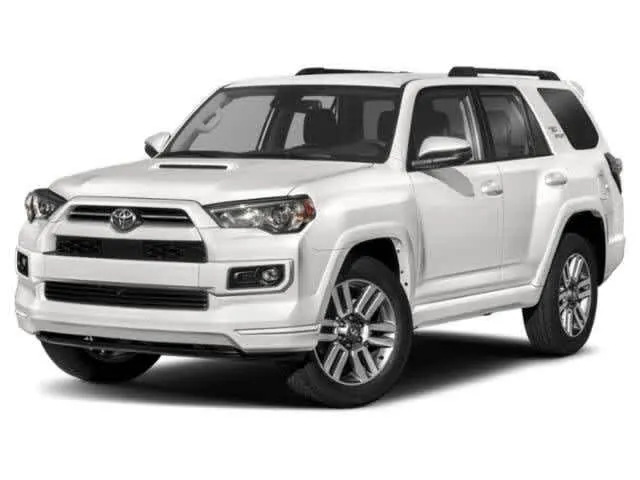
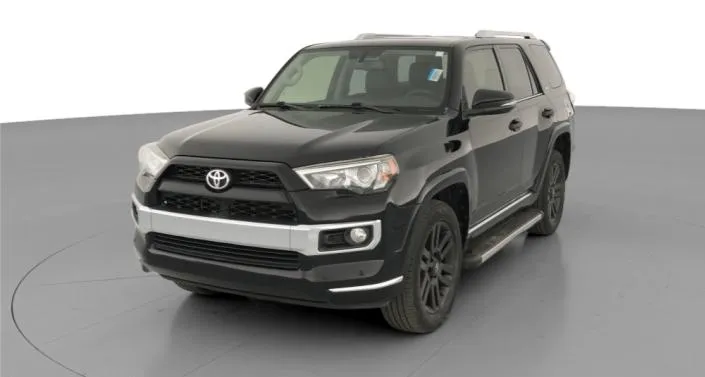
Toyota 4Runner (2003–2019)
Buy price: $12,000–$22,000 | Sell price: $16,000–$28,000 | Typical profit: $2,500–$5,000 CarSnipe estimate from Facebook Marketplace private-party listings, reviewed May 2026.
The 4Runner is one of the strongest resale vehicles in the entire used car market, at 25.5% five-year depreciation per iSeeCars. The 4th generation (2003–2009) with the 4.7L V8 and the 5th generation (2010–2019) with the 4.0L V6 are both excellent flip candidates.
Buyers are willing to pay near-retail for clean examples because supply of well-maintained 4Runners is genuinely limited — these trucks get used hard, and finding one that hasn't been beaten on trails or racked up 200k miles is increasingly difficult. Focus on finding examples with service records and no major off-road modifications (lifts and aftermarket bumpers can signal hard use). A stock, clean 4Runner with maintenance history is the most desirable configuration and commands the highest prices.
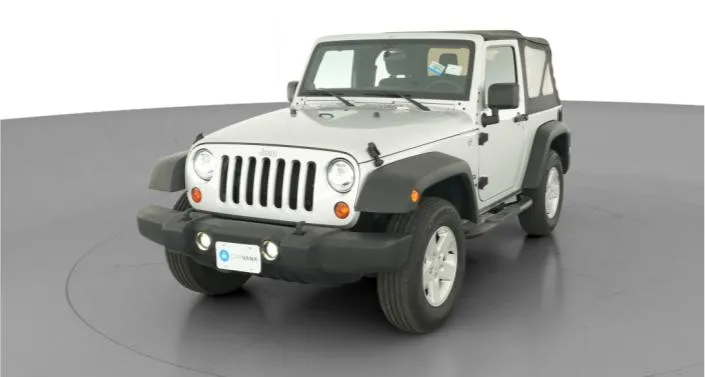
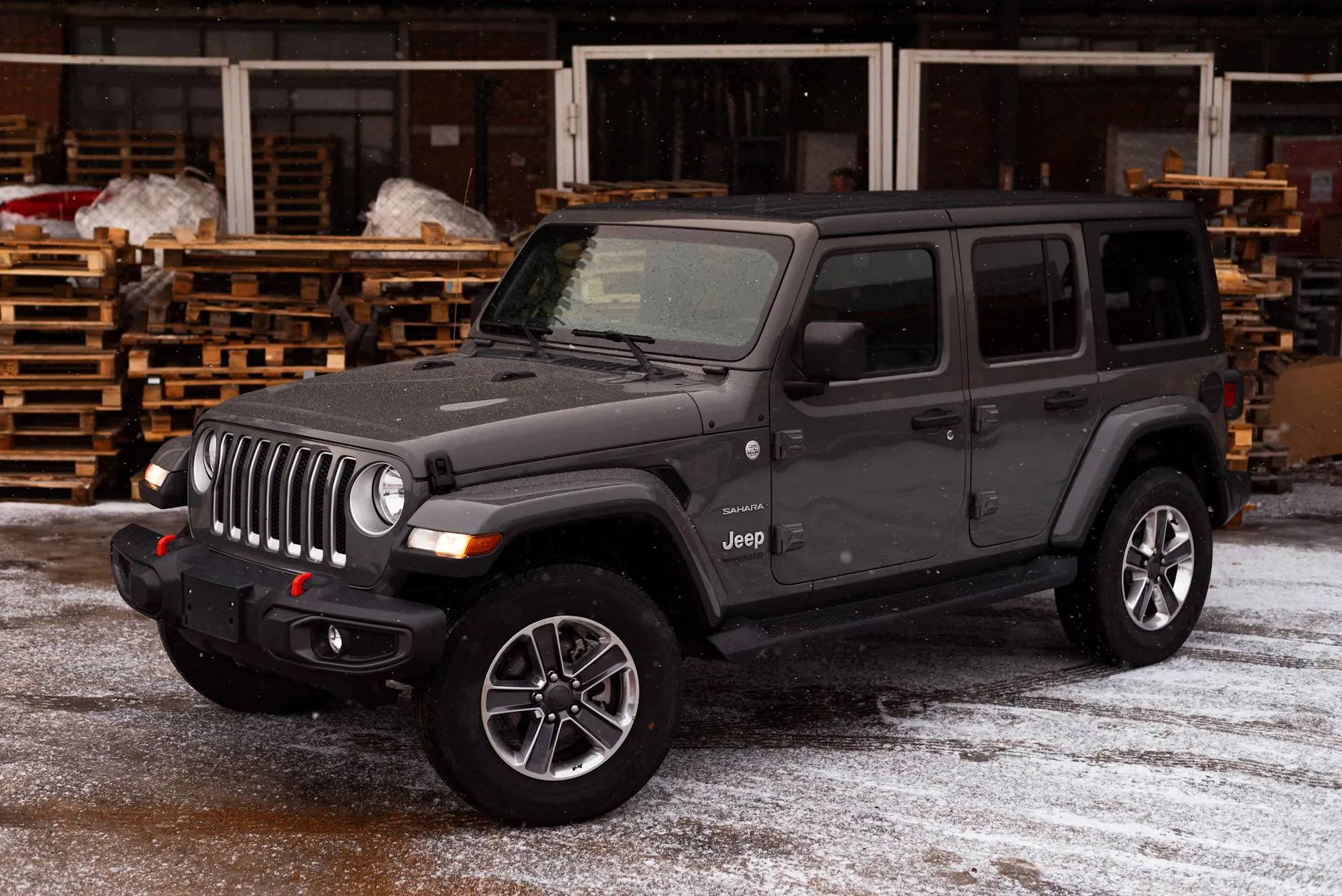
Jeep Wrangler (2007–2018)
Buy price: $14,000–$24,000 | Sell price: $18,000–$30,000 | Typical profit: $2,500–$5,000 CarSnipe estimate from Facebook Marketplace private-party listings, reviewed May 2026.
Wranglers defy normal depreciation. iSeeCars measures five-year Wrangler depreciation at 32.4%, roughly ten points better than the 41.8% average, and the shape holds well past year five in private-party asking prices. The JK generation (2007–2018) is the current sweet spot for flipping — the JL (2018+) is still too expensive for most flippers' budgets, while the TJ (1997–2006) has entered classic/collectible territory with its own pricing dynamics.
Two-door Wranglers in manual transmission command premiums in the enthusiast market, while four-door Unlimited models appeal to the broader family/adventure buyer. The 3.6L Pentastar V6 (2012+) is the preferred engine — more power and better reliability than the earlier 3.8L. Watch for oil leaks, death wobble (worn steering components), and rust on the frame. A detailed, mechanically sorted Wrangler will attract buyers within days of listing.
Lexus GX 470/460 (2003–2019)
Buy price: $12,000–$22,000 | Sell price: $16,000–$28,000 | Typical profit: $2,500–$4,500 CarSnipe estimate from Facebook Marketplace private-party listings, reviewed May 2026.
The Lexus GX is a Toyota Land Cruiser Prado underneath, which means body-on-frame construction, a bulletproof drivetrain, and genuine off-road capability wrapped in a luxury package. The GX has seen a massive surge in demand from the overlanding community over the past three years, driving prices up steadily. The GX 470 (2003–2009) with the 4.7L V8 and the GX 460 (2010–2019) with the 4.6L V8 are both excellent flips.
The main issue to watch for is the secondary air injection system on the GX 470, which can throw check engine lights — it's a $300-$500 fix that many sellers discount the car heavily for. Fix it, clear the code, and you've just added $1,500–$2,000 to the resale value.
Ford F-150 (2009–2018)
Buy price: $12,000–$20,000 | Sell price: $16,000–$26,000 | Typical profit: $2,000–$4,500 CarSnipe estimate from Facebook Marketplace private-party listings, reviewed May 2026.
The F-150 is the best-selling vehicle in America for a reason, and that massive buyer pool makes it a reliable flip. It is the softest holder in this group at 37.9% five-year depreciation in iSeeCars' data, so the margin comes from volume and turnaround rather than from scarcity. The 12th generation (2009–2014) and 13th generation (2015–2018) are both strong candidates. For the 2009–2014 models, the 5.0L Coyote V8 (2011+) is the preferred engine — avoid the early 3.5L EcoBoost turbos, which can have timing chain and turbo issues that are expensive to fix.
The 2015–2018 aluminum-body trucks are lighter, more efficient, and command higher prices. Trim level matters significantly on F-150s: an XLT or Lariat with the right options (4x4, crew cab, tow package) can sell for $3,000–$5,000 more than a base XL with the same mileage. Learn to spot the value-adding options and you'll consistently find margin that less knowledgeable flippers miss.
Niche and Enthusiast Flips
Niche vehicles can deliver some of the highest per-unit profits in car flipping, but they require more market knowledge and patience. The buyer pool is smaller, which means longer sell times — but the buyers who want these cars are often willing to pay a premium for the right example.
Mazda Miata / MX-5 (1990–2015)
Buy price: $3,000–$10,000 | Sell price: $5,500–$15,000 | Typical profit: $1,500–$4,000 CarSnipe estimate from Facebook Marketplace private-party listings, reviewed May 2026.
The Miata is the most-flipped sports car in America for good reason, and it holds value like a truck rather than a sports car: 31.5% over five years in iSeeCars' figures. Every generation — NA (1990–1997), NB (1999–2005), NC (2006–2015) — has a dedicated following. Clean, low-mileage NAs have entered collectible territory, with pristine examples commanding $12,000–$18,000. Even rough NAs can be bought for $3,000–$5,000 and flipped for $6,000–$8,000 with cosmetic work and a detail.
The NC generation is currently the value play — you can still find clean examples under $10,000 that will appreciate as NAs become unaffordable for younger enthusiasts. The key to Miata flipping is condition grading: rust-free examples from southern states command 30-40% premiums over comparable northern cars. If you can source a clean Miata from Florida or Texas and sell it in the Midwest, the geographic arbitrage alone can be your entire profit margin.

Manual Transmission Anything
Premium over automatic: $1,000–$3,000 depending on vehicle
Manual transmissions are disappearing from new car lineups, and the enthusiast market is responding by paying premiums for used manuals. This applies across nearly every category: a manual Honda Accord V6 is worth $1,500–$2,000 more than the automatic version. A manual BMW 3-Series commands a $2,000–$3,000 premium.
Manual Tacomas, Wranglers, and WRXs all trade at significant premiums over their automatic counterparts. The flip strategy is simple: buy automatic-priced (because many casual sellers don't price in the manual premium) and sell at the manual premium. This works best on vehicles where the automatic is the default and the manual was a rare option — the scarcity drives the premium.
Clean Discontinued Models
Examples: Honda Element, Toyota FJ Cruiser, Scion xB, Pontiac GTO, Mazdaspeed3
When a model is discontinued, supply becomes permanently fixed while demand from fans of that model continues. This creates a slow, steady price appreciation that makes clean examples increasingly valuable over time. The Honda Element is a perfect case study — discontinued in 2011, it has a cult following among dog owners, campers, and people who value the unique interior layout. Clean, low-mileage Elements now sell for more than they cost new.
The Toyota FJ Cruiser follows the same pattern — discontinued in 2014, clean examples appreciate 5-10% annually. The key is buying before the appreciation curve steepens. Right now, the Mazdaspeed3 and Pontiac GTO (2004–2006) are in the early stages of this cycle — still affordable enough to flip, with growing enthusiast demand that will push prices higher over the next 2-3 years.
Where Do You Find Flip Cars Before Other Buyers?
Knowing which cars to flip is only half the equation. The other half is finding them at the right price before other flippers do. The complete guide to flipping cars on Facebook Marketplace covers this in depth, but here's the core strategy.
Facebook Marketplace is the primary source. It has the highest volume of private seller listings in the US, and private sellers are where flippers find their margins.
Dealer auctions are the other route, and they are worth pricing out before you assume they are cheaper: we wrote out what a dealer auction costs per car against Marketplace, fee by fee, and on a $5,000 car the auction's fees alone are about a thousand dollars. Dealer-priced vehicles rarely have enough spread between buy and sell to make a flip worthwhile. Private sellers — especially motivated ones who are relocating, handling an estate, or simply want cash quickly — regularly list vehicles 15-25% below retail value.
Whichever route you take, the hard part is the same: spotting a car priced under what it is worth. For the signals that give one away, see how to find underpriced cars to flip.
The challenge is speed. An underpriced Tacoma or Wrangler on Facebook Marketplace in a competitive metro area will receive its first inquiry within 15-30 minutes. By the two-hour mark, the seller has multiple offers. If you're checking Marketplace manually twice a day, you're seeing deals that are already gone.
CarSnipe solves this by monitoring Facebook Marketplace every 3 minutes and sending instant Telegram alerts when a matching vehicle is listed. As a flipper, you can set up alerts for each vehicle on your target list — Tacomas under $10,000, Wranglers under $15,000, Civics under $3,500 — and get notified the moment one appears.
Being first to contact the seller is the single biggest competitive advantage in car flipping, and automated monitoring is the only reliable way to achieve it consistently.
For negotiation strategies once you've found a flip candidate, see our guide on how to negotiate a car on Facebook Marketplace.
How Do You Maximize Profit When Flipping a Car?
The difference between a $1,000 profit and a $2,500 profit on the same vehicle often comes down to execution, not the vehicle itself. Here are the practices that consistently separate profitable flippers from break-even flippers.
Detail every car before listing. A $150 professional detail (or a weekend afternoon doing it yourself) adds $500–$1,000 to perceived value. Clean cars photograph better, attract more inquiries, and sell faster.
Interior detail matters more than exterior — buyers sit inside the car, and a clean, fresh-smelling interior creates an emotional response that translates to higher offers.
Fix cosmetic issues, skip major mechanical. The highest-ROI repairs on a flip car are cosmetic: touch-up paint on rock chips, replacing cracked taillights, cleaning or restoring headlights, new floor mats, and replacing missing trim pieces.
These cost $20–$100 each and collectively add hundreds to the perceived value. Avoid buying cars that need engine, transmission, or major suspension work unless you can do the repair yourself — shop labor costs destroy flip margins.
Price it right the first time. Overpricing a flip car and then reducing the price a week later signals desperation to buyers. Research comparable sold listings (not just active listings) and price your car at or slightly below the market.
A car priced to sell in 5 days is more profitable than one priced to maximize sale price but sitting for 3 weeks — because those 3 weeks cost you insurance, opportunity cost, and the risk of a new dent or mechanical issue.
Know your state's flip limit. Most states allow 2-12 vehicle sales per year without a dealer license. California allows 5, Texas allows 4, Florida allows 3.
Exceeding the limit without a license carries fines and potential legal consequences. If you're approaching your limit, it's time to get a dealer license — which also opens up wholesale auctions and significantly better buy-side pricing.
Track every dollar. Successful flippers track buy price, repair costs, detail costs, listing fees, insurance costs, and sell price for every vehicle. This data tells you which models are actually profitable in your market and which ones look good on paper but eat margins in practice.
After 10-15 flips with good records, you'll have a clear picture of your most profitable categories and can focus your buying efforts accordingly.
Be First to Every Deal
Car flipping is a speed game. CarSnipe sends you instant Telegram alerts when underpriced vehicles hit Facebook Marketplace — so you can message the seller before the competition even sees the listing. Set up alerts for every vehicle on your flip list.
Cite this page
Every buy, sell and profit range on this page is CarSnipe's own estimate from the private-party listings we watch, last reviewed in May 2026, and the dealer comparison prices come from the Auto.dev listings API — the full note is under Where these numbers come from. You may republish these figures with attribution and a link to https://carsnipe.com/blog/best-cars-to-flip-for-profit.
Plain text:
CarSnipe. "Car Flipping Guide: Best Cars to Flip for Profit in 2026 and How It Works." Published . Updated . Price ranges reviewed May 2026. https://carsnipe.com/blog/best-cars-to-flip-for-profit
HTML:
Frequently Asked Questions
Most successful car flippers average $1,000 to $3,000 profit per vehicle on budget and mid-range flips, with premium and niche vehicles occasionally yielding $3,000 to $6,000. The key variables are buy price (lower is better), the amount of work needed (cosmetic fixes are profitable, mechanical repairs eat margins), and how quickly you can turn the vehicle. Flippers who do 2-4 cars per month typically earn $3,000 to $8,000 monthly, but this requires consistent deal flow and knowledge of your local market.
Honda Civics, Toyota Corollas, and Ford Crown Victorias are ideal starter flip cars. They are cheap to buy ($2,000 to $4,000), parts are abundant and affordable, mechanical issues are well-documented online, and buyer demand is consistently high. These vehicles sell quickly because everyone knows and trusts them. Starting with high-demand, low-risk vehicles lets you build capital and experience before moving into higher-margin but riskier categories like trucks and SUVs.
The most effective approach is automated monitoring. Underpriced cars on Facebook Marketplace sell within one to three hours in competitive areas, so manual browsing misses the majority of deals. Tools like CarSnipe monitor Marketplace every 3 minutes and send instant Telegram alerts when a matching vehicle is listed below your target buy price. This lets you be among the first to contact the seller. Additionally, search for motivated-seller signals in listings: phrases like "must sell this week," "moving," or "estate sale" often indicate pricing flexibility.
In most US states, you can legally buy and sell a limited number of vehicles per year without a dealer license. The limit varies by state — typically between 2 and 12 vehicles per year. California allows 5, Texas allows 4, Florida allows 3, and some states like Ohio allow up to 6. Exceeding your state limit without a license can result in fines. If you plan to flip cars regularly, research your state-specific threshold and consider obtaining a dealer license once you approach it. A dealer license also gives you access to wholesale auctions, which significantly improves your buy-side margins.