
What Is Car Flipping?
Car flipping is the practice of buying used vehicles below market value, improving them (or simply finding underpriced ones), and reselling them for a profit. It is one of the most accessible side businesses you can start because the barrier to entry is low, the market is enormous, and the profit margins are real — if you know what you are doing and stay realistic about how much money you can realistically make flipping cars.
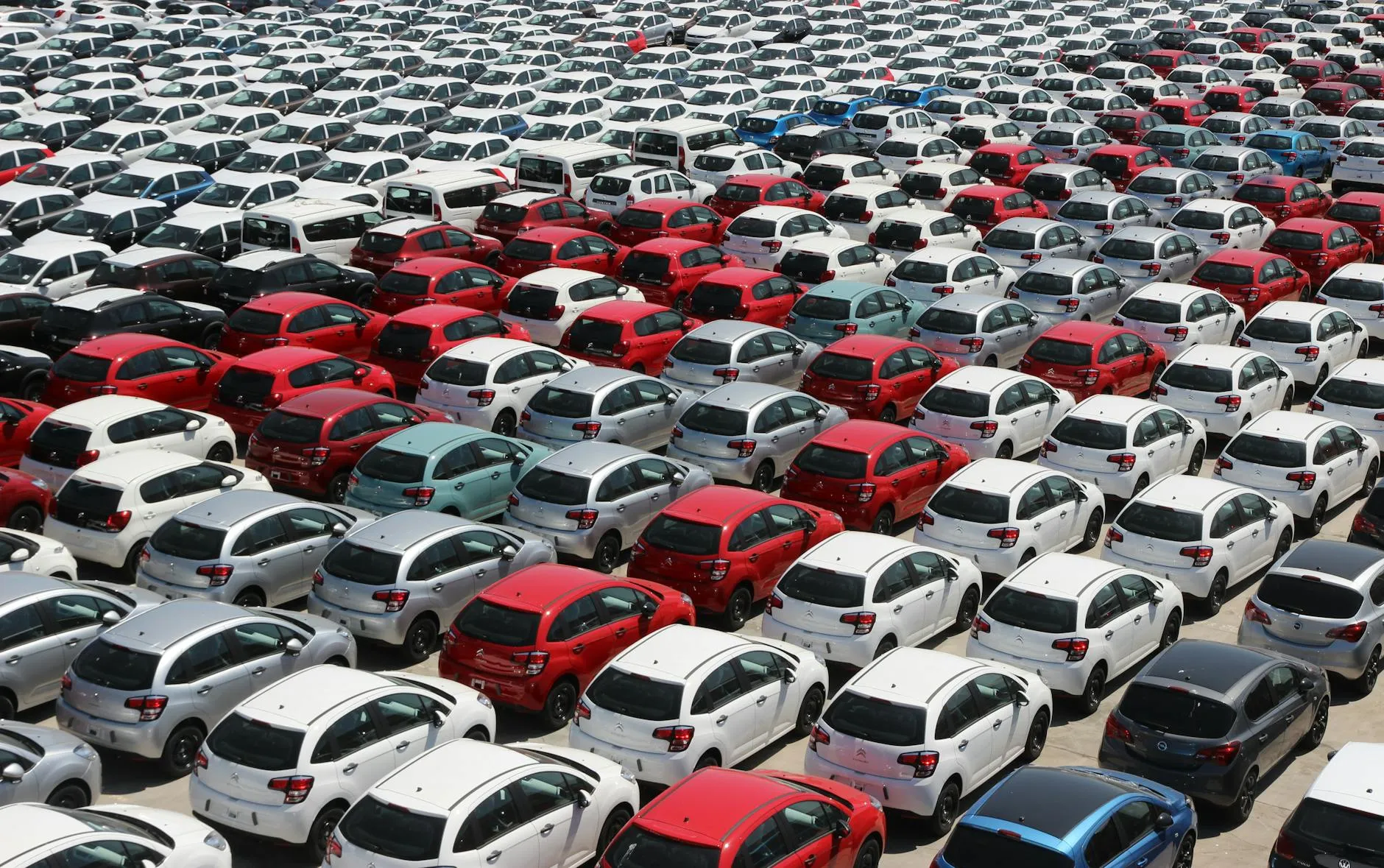
Facebook Marketplace has become the dominant platform for private vehicle sales in the United States. It has the highest volume of listings, the widest range of sellers, and — critically for flippers — the largest number of mispriced vehicles. Casual sellers who don't research market value, motivated sellers who need cash fast, and estate listings that just want the car gone all create opportunities for buyers who know how to spot them.
This guide walks through the entire car flipping process from start to finish: the legal requirements, how much capital you need, how to find and evaluate inventory, what to fix (and what to skip), how to list and sell for maximum profit, and the mistakes that cost beginners the most money.
Is It Legal? State Licensing Rules
Car flipping is legal everywhere in the United States. But there is an important limit: every state has a cap on how many vehicles you can sell per year as a private individual before you need a dealer license.
These limits vary significantly by state:
- Stricter states (2-4 cars/year): California limits private sales to 5 vehicles per year. States like Virginia and Pennsylvania have similarly low thresholds.
- Moderate states (5-8 cars/year): Many states fall in this range. Texas, for example, allows up to 4 in a calendar year without a dealer license (recently tightened).
- More permissive states (10-12+ cars/year): Some states have higher limits or define "dealer activity" differently.
Check your specific state's DMV or motor vehicle dealer board before you start. The penalties for exceeding the limit — operating as an unlicensed dealer — can include fines ranging from several hundred to several thousand dollars. Getting a dealer license is an option if you plan to scale, but it comes with its own costs and requirements (surety bond, business location, insurance).
Beyond the vehicle limit, you need to handle each sale properly:
- Title transfer: Every vehicle you buy must be titled in your name before you resell it. "Title jumping" — selling a car without putting your name on the title — is illegal in all 50 states.
- Taxes: Profit from car flipping is taxable income. Keep records of your purchase price, repair costs, and sale price for every vehicle. You will report net profit on your tax return.
- Bill of sale: Use a written bill of sale for every transaction, both buying and selling. This protects you legally and creates a paper trail.
How Much Money Do You Need to Start?
You can start flipping cars with less money than most people think. Here is a realistic breakdown by budget tier:
Entry Level: $2,000 - $3,500
At this budget, you are buying one car at a time in the $1,500 to $2,500 range and investing $200 to $500 in cleaning, minor cosmetic fixes, and listing photos. Your target profit is $500 to $1,000 per flip. This tier works with older, high-mileage vehicles from reliable brands — a 2008 Honda Civic with 150,000 miles, or a 2006 Toyota Corolla that just needs a deep clean and new floor mats.
Comfortable Start: $5,000 - $8,000
This gives you more room to buy better vehicles in the $3,000 to $5,000 range, handle a moderate repair ($300 to $800), and still have a cash reserve. You can target newer vehicles with more profit potential — $1,000 to $2,000 per flip is realistic at this level.
Scaling Up: $10,000+
With $10,000 or more, you can work on two vehicles simultaneously, buy higher-value inventory, and absorb the occasional bad purchase without it ending your operation. This is where car flipping starts to generate meaningful monthly income.
Regardless of your starting budget, the most important rule is: never spend your entire capital on one car. Always keep a cash reserve for unexpected repairs, registration fees, and the carrying costs (insurance, parking) while you hold the vehicle. A good rule of thumb is to keep at least 30% of your total capital in reserve.
 Step 1: Finding Inventory

Finding the right car to buy is the single most important step in the flipping process. Your profit margin is largely determined at the moment of purchase — buy right, and the rest is execution. Buy wrong, and no amount of detailing or clever listing will save you.
Where to Source Cars
Facebook Marketplace is the best platform for sourcing flip inventory in 2026. The volume of listings is unmatched, and the platform attracts a disproportionate number of motivated and misinformed sellers. New listings appear around the clock, and underpriced vehicles — the kind that create real profit margins — tend to sell within hours of posting. For a deeper dive on finding deals specifically, see our guide on how to find underpriced used cars online.
 Craigslist is still valuable, particularly for trucks, older vehicles, and in smaller markets where Facebook Marketplace has less penetration. Listings often sit longer on Craigslist, which can work in your favor during negotiation.
 Auction sites like Copart and
  IAAI sell insurance salvage and dealer trade-ins. These can be profitable for experienced flippers who know how to assess damage from photos, but they carry higher risk and are not recommended for beginners. Before you assume an auction car is the cheaper buy, read auctions versus Marketplace, with the fees written out. The buyer fee, the gate fee and the service charges on top of them come off your margin rather than the seller's, and on a cheap car they take a real bite out of the spread.
Word of mouth becomes a source over time. Once friends, family, and coworkers know you buy cars, people will come to you when they want to sell without the hassle of listing online.
What to Look For in a Listing
The best flip candidates share a few characteristics:
- Priced below market value. Use
 KBB,
KBB,  NADA, and Edmunds to benchmark the private party value. If the asking price is 15-25% below the average, it is worth investigating. Our guide to determining a fair price for a used car covers this in detail.
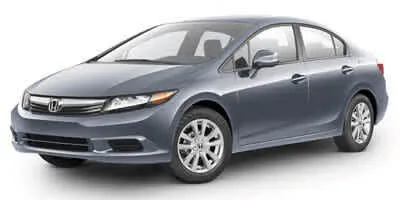
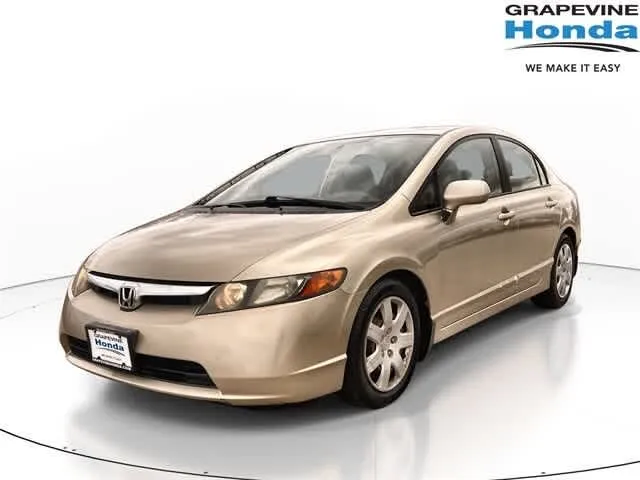
 - Popular, reliable makes and models. These sell faster and to a larger pool of buyers. Honda, Toyota, and Ford trucks have the most liquid resale markets.
- Cosmetic issues, not mechanical ones. A dirty interior, faded paint, or minor dents are cheap to fix and dramatically affect perceived value. A blown head gasket or transmission problems will eat your entire margin.
- Motivated seller language. Phrases like "need gone ASAP," "moving," "priced to sell," or a recent price drop signal a seller willing to negotiate further.
The Speed Advantage
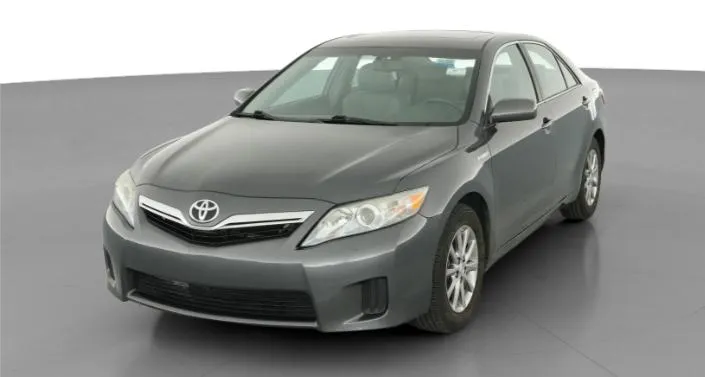
The biggest challenge in finding flip inventory is timing. A well-priced Honda Civic or Toyota Camry on Facebook Marketplace gets its first inquiries within minutes. If you are browsing manually and happen to check at the right time, great. But most of the best deals appear and disappear while you are at work, asleep, or doing something else.
This is where the tools that make flipping cars faster pay for themselves. Instead of refreshing Facebook Marketplace throughout the day, you can set up alerts for specific makes, models, year ranges, and price ceilings — and get notified the moment a matching listing appears.
 Find Flip Inventory Before Anyone Else
CarSnipe monitors Facebook Marketplace every 3 minutes and sends instant  Telegram alerts when underpriced vehicles matching your criteria appear. Set your target make, model, year range, and max price — then get notified before other buyers even see the listing. 7-day free trial — cancel anytime before you are charged.
Step 2: Evaluating and Buying
Once you have identified a promising listing, the next step is evaluation. This is where beginners lose the most money — either by skipping the inspection or by letting excitement override judgment.
Before You Go: Remote Evaluation
- Run a VIN check. Services like NMVTIS (National Motor Vehicle Title Information System) reveal title brands (salvage, rebuilt, flood), odometer discrepancies, and theft records. A $5-$15 VIN check can save you from a catastrophic purchase.
- Study the listing photos carefully. Look for mismatched paint, uneven panel gaps (accident indicators), excessive wear inconsistent with stated mileage, and whether the seller has bothered to clean the car for photos (sellers who don't clean for photos are often motivated to sell quickly).
- Message the seller with specific questions. Ask about mechanical issues, maintenance history, reason for selling, and how long they have owned it. Vague or defensive answers are a red flag. For advice on initial contact, see our negotiation guide.
In-Person Inspection
When you see the car in person, go through a systematic checklist:
- Exterior: Walk around the entire car. Check for rust (especially wheel wells, rocker panels, and trunk edges), dents, scratches, paint inconsistencies, and tire condition. Uneven tire wear can indicate alignment or suspension problems.
- Interior: Check all power windows, locks, AC/heat, radio, dashboard warning lights, seat condition, and headliner. Odor is important — a strong air freshener often masks mold, smoke, or pet smells that are expensive to remediate.
- Under the hood: Look for oil leaks, coolant condition (should be green or orange, not brown or milky), battery terminals, belt condition, and general cleanliness. A very clean engine bay on a high-mileage car could mean the seller steam-cleaned to hide leaks.
- Test drive: Listen for unusual sounds — grinding brakes, clicking CV joints, whining transmission. Test acceleration, braking, and steering at various speeds. Check that the car tracks straight and doesn't pull to one side.
If you are not confident in your mechanical assessment, bring someone who is. A $100-$150 pre-purchase inspection at a local mechanic is cheap insurance on a $3,000+ purchase. Watch out for common Facebook Marketplace car scams during this process — if the seller refuses to meet in person or wants payment before you see the car, walk away.
Negotiating the Purchase Price
As a flipper, your negotiation goal is simple: buy as far below market value as possible. Every dollar you save on the purchase is a dollar of profit (or a dollar of buffer for unexpected repair costs).
Use the inspection to build your negotiation position. Specific, dollar-amount findings are the most effective: "The tires need replacing — that's $400. The brake pads are low — another $200. I'd be comfortable at $X, which accounts for those costs." This approach is factual, not insulting, and gives the seller a logical reason to accept your lower offer.
Cash and speed are your biggest leverage. Many private sellers on Facebook Marketplace want the transaction done today, not next week. "I can pay cash and take it today" is a powerful closer when combined with a fair (but favorable to you) price.
Step 3: Repairs and Detailing
This is where you add value. The goal is not to turn the car into a showroom vehicle — it is to address the items that affect buyer perception and willingness to pay, while spending as little as possible.
High-ROI Fixes
These improvements cost relatively little but significantly increase what buyers will pay:
- Deep interior cleaning ($50-$150 in supplies or DIY): Vacuum everything, shampoo the carpets and seats, clean all surfaces, and deodorize. A clean interior is the single biggest factor in perceived vehicle condition. Buyers assess a car emotionally in the first 30 seconds of sitting inside it.
- Exterior wash, clay bar, and wax ($30-$60 DIY): A freshly waxed car with clean wheels photographs dramatically better and looks better in person. This alone can justify a $300-$500 higher asking price.
- Headlight restoration ($15-$25 kit): Foggy, yellowed headlights make any car look old and neglected. Restoration kits take 20 minutes per headlight and the visual improvement is immediate.
- Replace floor mats ($20-$40 for generic): Stained, torn floor mats drag down the entire interior appearance. New generic mats make the cabin feel significantly cleaner.
- Touch-up paint ($10-$15): Small chips and scratches on the hood and bumper catch the eye. A matching touch-up paint pen will not make them invisible, but it prevents rust and reduces visual impact.
- New wiper blades ($15-$25): Old, streaky wipers signal deferred maintenance to buyers. New blades are cheap and noticeable.

Repairs Worth Doing
- Oil change and fluid top-offs: Fresh oil and topped-off fluids show the car has been maintained. You can honestly tell buyers "I just did a full oil change and fluid service." This costs $30-$60 for parts if you do it yourself.
- Brake pads (if worn): If the pads are low, replacing them ($40-$80 for parts, DIY) removes a negotiation point for the buyer and makes the test drive feel more confident.
- Minor electrical fixes: A burned-out tail light, non-working dome light, or dead power window motor — these are cheap fixes that remove red flags from the buyer's mental checklist.
Repairs to Avoid
Some repairs cost more than they add in resale value. As a flipper, you need to be disciplined about this:
- Major mechanical work: Engine or transmission repairs are expensive and risky. If you buy a car that needs a transmission, you are probably losing money on the flip.
- Full paint jobs: A quality repaint costs $1,500+. Unless you have access to cheap paint work, the math rarely works on budget flips.
- Suspension overhauls: Struts, shocks, and control arms are expensive labor-intensive repairs. Unless the car is unsafe to drive, these rarely return their cost.
The fundamental rule: only fix things where the repair cost is significantly less than the increase in sale price it creates. A $50 detail that lets you ask $500 more? Absolutely. A $500 repair that lets you ask $600 more? Probably not worth the time and risk.
Step 4: Listing and Selling

How you present the car for sale directly affects how quickly it sells and at what price. Most private sellers throw up three blurry photos and a one-sentence description. As a flipper, you can differentiate by treating the listing like a professional advertisement.
Photos
Take at least 15-20 photos in good natural lighting (overcast days produce the most flattering, even lighting). Include:
- All four corners of the exterior (front-left, front-right, rear-left, rear-right)
- Direct front and direct rear
- Both sides in profile
- All four tires (showing tread depth)
- Dashboard with the car running (showing mileage and no warning lights)
- Front seats, rear seats, trunk/cargo area
- Engine bay
- Any imperfections — be upfront about scratches, dents, or wear
Clean the car immediately before photographing. A washed, waxed car on a clean driveway in good light looks dramatically more appealing than the same car unwashed in a cluttered garage.
Description
Write a clear, detailed description that answers the questions buyers will ask:
- Year, make, model, trim, mileage
- Condition summary (honest — buyers respect transparency and it reduces time-wasting inquiries)
- Recent maintenance and repairs you have done
- Known issues (disclosing these upfront builds trust and prevents deal-killing surprises at inspection)
- Title status (clean, rebuilt, salvage)
- Reason for selling (a plausible reason reduces buyer suspicion)
Pricing Strategy
Price your flip at market value — not above it. Use KBB, NADA, and Edmunds to set a price that reflects the car's condition and your local market. Overpricing leads to stale listings, which leads to price drops, which signals desperation to buyers.
Build your expected negotiation room into the price. If you want $4,500 for the car, list at $4,800-$5,000. Most Facebook Marketplace buyers will offer 5-15% below asking. Price it so that even after negotiation, you hit your target profit margin.
Pricing is where most first flips lose their margin, and two paragraphs do not really cover it. Our full walkthrough on how to price a car you're flipping gets into reading local comps and pricing against mileage bands, plus when to cut the price instead of waiting it out.
Where to List
List on multiple platforms simultaneously to maximize exposure:
- Facebook Marketplace: Highest traffic, best for vehicles under $15,000
- Craigslist: Still significant traffic, especially for trucks and older vehicles
 OfferUp: Growing platform, good for budget vehicles
Cross-posting to all three takes an extra 15 minutes and significantly increases the number of inquiries you receive.
Handling Inquiries and Closing
Respond to inquiries quickly — within minutes if possible. The first serious buyer to see the car is often the one who buys it. Be professional, answer questions directly, and have the title, bill of sale, and any maintenance records ready before the buyer arrives.
Meet in a safe, public location. Many police stations have designated vehicle transaction zones. Have the paperwork prepared in advance so that if the buyer wants to close on the spot, you can complete the transaction immediately. Speed and professionalism differentiate you from casual sellers and help close deals at higher prices.
Best Cars to Flip for Beginners
As a beginner, stick to vehicles that are in high demand, mechanically reliable, and easy to sell. The goal is fast turnover and consistent (if modest) profits — not a home run on every flip. We went deeper on which cars are actually worth flipping, with typical buy and sell ranges for each one.
Sedans
- Honda Civic (2006-2015): Perhaps the most flippable car in America. Huge buyer pool, known reliability, cheap parts, strong resale value at every price point.
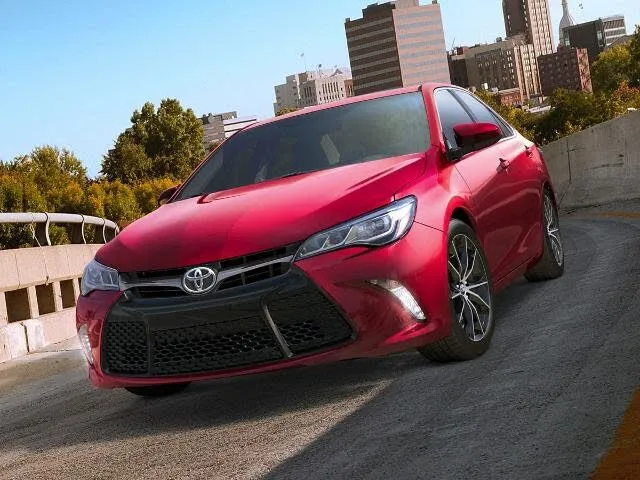
- Toyota Camry (2007-2015): Same story as the Civic but in the midsize segment. These sell fast in the $3,000-$8,000 range.
- Honda Accord (2006-2015): Slightly higher margins than the Civic due to higher average price points, same reliability reputation.
- Toyota Corolla (2005-2015): The most cost-effective flip target in the sedan category. Low purchase prices, strong demand, quick sales.
SUVs and Trucks
- Honda CR-V (2007-2015): Crossover SUVs are in sustained demand. The CR-V is reliable and commands strong private party prices.
- Toyota RAV4 (2006-2015): Similar demand profile to the CR-V. Both sell quickly in most markets.
- Ford F-150 (2004-2014): Trucks have intense demand and strong pricing. The F-150 is the most popular vehicle in America and always has buyers. Be cautious of rust on older models in northern states.
What to Avoid
- Luxury brands (BMW, Mercedes, Audi): High purchase prices, expensive parts and repairs, and a smaller buyer pool at the budget end of the market.
- Known problem vehicles: Certain models have expensive, common failures (Nissan CVT transmissions, certain Ford EcoBoost engines). Research reliability data before buying any model you are unfamiliar with.
- Salvage/rebuilt titles: Until you have experience, stick to clean title vehicles. Salvage title cars are harder to sell, harder to insure, and harder to evaluate accurately.
Common Mistakes to Avoid
Most beginners make the same handful of mistakes. Avoiding these will put you ahead of the majority of new flippers:
1. Buying Emotionally
You are not buying a car for yourself — you are buying inventory for resale. The question is never "do I like this car?" It is "can I sell this car for more than I am about to pay for it?" Stick to the numbers. If the math does not work, walk away regardless of how much you like the vehicle.
2. Underestimating Repair Costs
Every repair costs more and takes longer than you expect. Add 30-50% to your initial repair estimate as a buffer. If the car still makes financial sense with the inflated estimate, proceed. If it does not, pass on it.
3. Skipping the Title Check
Always verify the title is clean, the VIN matches the vehicle, and the seller is the person named on the title. Buying a car with a title lien, an open recall that prevents registration, or a VIN mismatch can cost you the entire purchase price.
4. Holding Too Long
Carrying costs add up. Insurance, registration, parking, and the opportunity cost of tied-up capital all eat into your profit margin every day you hold a vehicle. If a car has not sold in three weeks, your price is too high. Drop it. A smaller profit today is better than a perfect price next month.
5. Not Tracking Expenses
Keep a spreadsheet for every flip: purchase price, title/registration fees, repair parts and labor, detailing supplies, listing fees, and sale price. Without tracking, you will not know your actual profit per flip — and you may be making less than you think (or losing money without realizing it). Better still, work out your margin before you buy so a thin deal never makes it past the driveway.
6. Title Jumping
Some beginners try to save money by selling a car without putting the title in their name first. This is illegal, exposes you to liability if the buyer gets in an accident, and can result in fines and loss of your ability to register vehicles. Always title the car in your name.
Time Commitment and Expectations
Car flipping is not passive income. Here is a realistic breakdown of the time involved in a single flip:
- Finding inventory: 2-5 hours per week of browsing listings, messaging sellers, and evaluating options. Automated alerts significantly reduce this by surfacing only the listings that match your criteria.
- Inspection and purchase: 2-3 hours including travel, inspection, negotiation, and paperwork.
- Repairs and detailing: 4-10 hours depending on what the car needs. A cosmetic-only flip (cleaning, minor touch-ups) can be done in a weekend afternoon. Anything involving mechanical repairs takes longer.
- Listing and selling: 1-2 hours for photos and listing creation, plus time responding to inquiries and meeting buyers over the following 1-3 weeks.
For a single flip, expect to invest 10-20 hours total over 2-4 weeks. If you are doing 2-3 flips per month — a realistic pace for a side hustle — that is 20-40 hours per month. The hourly return depends on your profit per flip, but $500-$1,500 profit for 10-20 hours of work translates to a solid effective hourly rate.
Be realistic about the ramp-up period. Your first flip might break even or produce a small profit as you learn. Your third or fourth flip, once you have refined your process and know your market, is where consistent profitability typically begins.
Source Inventory Faster with Automated Alerts
The hardest part of flipping is finding the right car at the right price. CarSnipe monitors Facebook Marketplace around the clock and sends you instant Telegram notifications when underpriced vehicles appear — so you can spend less time browsing and more time buying, fixing, and selling.
Frequently Asked Questions
Yes, flipping cars is legal in every U.S. state. However, most states limit how many vehicles you can sell per year as a private individual before you need a dealer license. The threshold varies — some states allow as few as 2-4 per year, while others permit up to 12. Check your state's DMV or dealer licensing board for the exact limit. Selling more than the allowed number without a license can result in fines and legal issues. You are also required to properly transfer the title and report the sale for tax purposes.
You can start flipping cars with as little as $2,000 to $5,000 in total capital. This is enough to buy a reliable older vehicle that needs cosmetic work or minor repairs, invest $200-$500 in detailing and fixes, and still have a buffer for unexpected costs. Many successful flippers started with a single car in the $1,500 to $3,000 purchase range and reinvested profits into progressively more expensive vehicles over time. The key is starting within your means and building capital gradually.
Profit per flip varies widely based on the vehicle, your purchase price, repair costs, and how well you buy. Beginners working with cars in the $2,000 to $5,000 range typically aim for $500 to $1,500 profit per vehicle. More experienced flippers working with higher-value vehicles can make $2,000 to $5,000 per flip. The biggest factor in profitability is not the selling price — it is the buying price. Consistently buying below market value is what creates reliable margins.
The best cars to flip are high-demand, reliable models with strong resale value and a large buyer pool. Honda Civics, Toyota Camrys, Honda Accords, Toyota Corollas, and Honda CR-Vs in the $3,000 to $8,000 range consistently sell quickly. Trucks like the Ford F-150 and Toyota Tacoma also flip well due to sustained demand. Avoid luxury brands, European cars, and anything with known expensive mechanical issues — repair costs can quickly eat your profit margin.