
Tax season is the single best time of year to buy a used car on Facebook Marketplace — and if you have a refund coming, right now is the window you should be acting in. Not next month. Not when things slow down at work. Now.
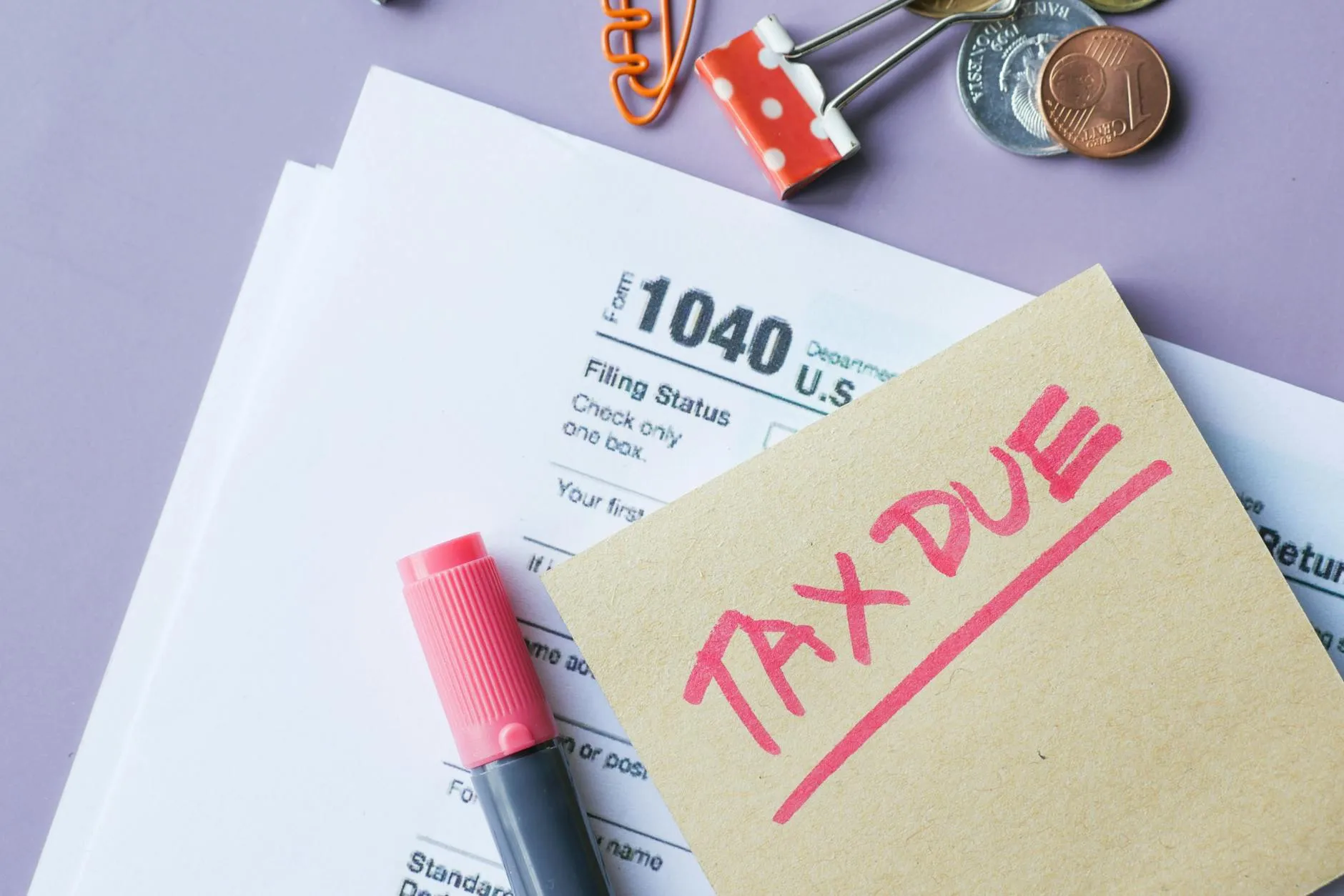
Here's why: motivated private sellers know buyers have cash in hand in February and March. They time their listings accordingly. The inventory of reasonably priced vehicles spikes during this window as people use their refunds to upgrade. And there's a brief, real advantage for buyers who move early — before dealers start quietly buying out the best private listings to flip on their own lots.
A buyer with $4,000–$8,000 cash in hand right now has enormous leverage over a private seller who has been trying to move a car since December. This guide is about making sure you use that leverage effectively — and move fast enough to actually get the deals before they're gone.
Why Tax Season Is the Best Window for Car Buyers
It might seem like tax season would be a disadvantage for buyers — after all, if everyone has refund money, doesn't that drive prices up? The reality is more nuanced, and it actually tilts strongly in the buyer's favor when you understand the dynamics at play.
Private sellers are not immune to the news cycle. They see the same stories about average refund amounts, and many deliberately time their listings for late January through March because they know motivated, cash-ready buyers are actively looking. The result is a meaningful inventory spike: more vehicles listed in the $3,000–$12,000 range from February through April than at any other time of year.
Sellers who have been holding onto a car through the winter are especially motivated right now. A car that's been sitting in a driveway since October, burning insurance dollars every month, becomes a much more urgent sale when the seller is also thinking about their own refund and what they want to do with it. That urgency translates directly into negotiating leverage for you.
The average federal tax refund in 2026 is running approximately $3,000–$3,200. That's not just a meaningful down payment — it's an outright purchase price for a reliable commuter. And for buyers who can layer some savings on top of that refund, it unlocks significantly better options.
There is one counterintuitive wrinkle worth knowing: dealers are also buying more aggressively during tax season. Independent lots and even some franchise dealers actively monitor Facebook Marketplace in February and March, picking off the best-priced private listings before private buyers can respond. This isn't a reason to panic — it's a reason to move fast. Private buyers who respond to listings within the first 15–30 minutes can absolutely beat dealers to the good deals. Private buyers who wait until their lunch break cannot.
What $3,000–$8,000 Gets You Right Now
Let's be concrete about what the realistic price tiers actually look like on Facebook Marketplace in early 2026. These are not best-case-scenario estimates — they're what you can genuinely expect to find with patience and a fast response time.
$3,000–$5,000: Reliable High-Mileage Commuters
At this price point, you're buying high-mileage vehicles — expect 120,000–180,000 miles on the odometer. That's not a problem if you target the right models. The 2010–2015 Honda Civic, Toyota Corolla, Hyundai Elantra, and Honda Fit all have documented track records — backed by Consumer Reports reliability data — of running well past 200,000 miles with basic maintenance. Clean title examples at these prices are common during tax season as sellers upgrade with their own refunds.
What to expect: the car will likely need something in the near term — tires, brakes, maybe a set of wipers. Budget $300–$600 beyond the purchase price for immediate catch-up maintenance and you'll be in good shape. These are not project cars; they're genuinely solid daily drivers that get you to work and back without drama.
$5,000–$8,000: The Sweet Spot for First-Time Buyers
This is where the math gets really compelling. At $5,000–$8,000 on Facebook Marketplace right now, you can find 2013–2018 Honda Fit, Mazda3, Toyota Corolla, and Honda Accord examples with 80,000–130,000 miles, often with one-owner histories and at least some service records. The jump in condition and confidence from the $3,000–$5,000 tier is substantial.
First-time buyers should anchor to this range if at all possible. The extra $2,000–$3,000 buys you meaningfully fewer problems, better documentation, and sellers who have taken better care of their cars because they paid more for them originally.
$8,000–$12,000: Light Trucks, SUVs, and Newer Sedans
Supplementing your refund with savings unlocks this tier — light trucks, compact SUVs, and newer sedans with full service histories. A 2014–2017 Honda CR-V or Toyota RAV4, a well-maintained Ford F-150 or Chevy Silverado with 100,000–130,000 miles, or a 2016–2019 sedan with a clean single-owner history all become realistic targets here.
If your refund is $3,500 and you can add $1,500–$2,000 from savings, you move from the high-mileage commuter tier into the sweet spot with meaningfully better options. The refund is the trigger to start shopping — your total budget is refund plus available savings. Run those numbers before you start seriously searching, not after you've already fallen in love with a listing you can't quite afford.
How to Time Your Purchase
The ideal buying window is the week your IRS tracker shows "Refund Sent" — typically 10–21 days after filing for direct deposit returns. At that point, you have confirmed funds incoming and can make a credible same-day commitment to a seller.
Don't wait until the money actually clears before you start seriously shopping. Know your confirmed refund amount, know what savings you're willing to add, and start monitoring listings the week before the funds arrive. The car you want to buy might appear before your money clears — and in most cases a seller will wait 24–48 hours for a buyer who is clearly committed and has proof of an incoming refund.
Late February and the first two weeks of March attract the highest concentration of both good listings and motivated buyers. Listings posted Tuesday through Thursday tend to have slightly less first-day competition than weekend listings, which get hit immediately by every buyer who has been browsing all week. If you're monitoring continuously, this matters less — but it's a useful pattern to know.
One critical rule: have your financing or cash ready before you start seriously shopping. Not during. Not after you find the car. Before. A seller fielding multiple inquiries on a well-priced vehicle will choose the buyer who can pay today over the buyer who needs three more days to sort out their financing. Cash or a cashier's check is the fastest close, and speed is leverage during tax season.
The Speed Problem
Tax season doesn't just bring more listings — it brings dramatically more buyers. Thousands of people across your metro area are doing exactly what you're doing right now: looking for a reliable used car with their refund money. That surge in buyer activity has a very specific consequence for listings that are priced fairly: they sell within hours, not days.
A 2015 Honda Civic with 110,000 miles priced at $6,500 in a major metro area during late February will receive 8–15 messages in the first two hours. The seller will arrange viewings with the first two or three serious inquiries and accept the first reasonable cash offer. If you're the tenth person to message at 6pm because you finally opened Marketplace after work, you will not get that car.
This is the core problem with manual searching during tax season: by the time you happen to open the app and run your search, the cream-of-the-crop listings have already been there for hours. The inbox is full. The seller has already scheduled three viewings. You're competing in a market where being 90 minutes late is the same as being a week late.
The buyers who consistently win the best deals during tax season are not the ones who browse more diligently — they're the ones who see listings the moment they appear. CarSnipe monitors Facebook Marketplace every 3 minutes and sends you a Telegram notification the instant a matching vehicle goes live. You set your search criteria once — make, model, year range, price, mileage, location — and you get alerted before most other buyers have even seen the listing exist. During the most competitive buying window of the year, that timing gap is everything. For a complete setup walkthrough, see our guide on how to get instant Facebook Marketplace car alerts.
Tax Refund Season Is Right Now.
The best deals are already selling within hours. CarSnipe monitors Facebook Marketplace every 3 minutes and alerts you the moment a matching vehicle appears — so you're in the first wave of buyers, not the last. 7-day free trial — cancel anytime before you are charged.
Start Free Trial on Telegramhave Marketplace listings at this price sent to you · View pricing
Practical Steps: From Refund to Keys
Most buyers lose deals not because they couldn't afford the car, but because they weren't ready to move when the right listing appeared. Work through this checklist before you start seriously shopping:
- File your taxes early. Earlier filing means earlier refund, which means you're shopping before the competition peaks in mid-March. Every week you're ahead of the curve is a week with less competition for the best listings. If you haven't filed yet, move it up the priority list.
- Know your total budget before you start. Refund amount plus available savings equals your maximum purchase price. Do this math once, write it down, and don't deviate. Knowing your ceiling going into viewings prevents the in-person pressure of a seller who senses hesitation.
- Pre-write your first message. Have a template ready: your name, that you're a serious buyer with cash in hand, when you're available to view, and a request for the VIN. Don't be drafting your inquiry from scratch while three other buyers are already hitting send. Seconds count on the best listings.
- Set up automated monitoring. Get CarSnipe running before your refund clears so you're already seeing new listings the moment they appear. Configure your exact search criteria — make, model, year range, price, mileage, and your metro radius — and let it watch while you go about your day.
- Have a mechanic lined up. A pre-purchase inspection from an independent mechanic costs $100–$150 and takes 45–60 minutes. Line one up in advance — call two or three shops in your area and ask if they do pre-purchase inspections and how quickly they can fit you in. During tax season, motivated buyers often need same-day slots. Knowing you have a mechanic ready removes a reason to hesitate on a good listing.
- Get a cashier's check or have cash at the bank. Private sellers in a competitive market choose the buyer who can pay right now. A cashier's check from your bank for your maximum budget closes deals. Sellers who are fielding multiple offers will always go with the buyer who can hand them money today over the buyer who needs to transfer funds or needs two more days.
- Know your insurance situation. Call your insurer before you start seriously shopping and confirm you can add a new vehicle same-day by phone. Most insurers do this in under 10 minutes. Knowing you can drive the car home legally the day you buy it removes another potential delay from the purchase process.
- Plan your title transfer at the same time. Check your state's DMV requirements for title transfer before you buy. In most states you have 15–30 days to transfer title, but scheduling the DMV appointment during the same week as the purchase while the details are fresh reduces the chance of paperwork problems dragging out later.
Red Flags That Are More Common During Tax Season
Tax season brings great deals and motivated legitimate sellers — but it also brings scammers who know buyers are carrying cash and are emotionally primed to move fast. Be extra vigilant during this window.
"I need to sell fast because I'm buying a new car with my refund." This is a real, legitimate thing that thousands of actual sellers say during tax season — and it's also one of the most common pressure lines in Facebook Marketplace car scams. Legitimate sellers will meet you in person, let you inspect the car, and have a clean title in hand. Scammers use this exact line to manufacture urgency and rush you past due diligence. Treat the urgency claim as noise and evaluate the car on its own merits.
Suspiciously low price on a well-maintained vehicle. A $4,500 Honda Civic with 90,000 miles and described as "immaculate, just serviced, one owner" should raise your attention. Underpriced listings attract enormous competition — and scammers know that a too-good-to-be-true price creates a panic reflex in buyers that bypasses critical thinking. Before you respond, ask yourself: does this price make sense for this car? If it doesn't, approach with eyes wide open.
Unusual meeting locations or hours. A cash-carrying buyer arranging to meet a stranger is a theft target. Legitimate sellers meet at their home address or a neutral public location during daylight hours. Any request to meet in an empty parking lot at night, or in an industrial area you don't know, is a hard no — regardless of how good the listing looks.
Requests to pay before viewing. No legitimate private seller on Facebook Marketplace requires a deposit, Zelle payment, or any transfer before you've physically seen and driven the car. Any seller who insists on payment first — for any reason, including "to hold it for you" — is running a scam.
For a full breakdown of the most common Facebook Marketplace car scams and how to identify them in real time, see our complete guide: Facebook Marketplace Car Scams: How to Spot and Avoid Them.
The average federal tax refund in early 2026 is running approximately $3,000-$3,200, which is sufficient to purchase a reliable high-mileage commuter car outright on Facebook Marketplace -- models like the 2010-2015 Honda Civic, Toyota Corolla, and Hyundai Elantra with 120,000-180,000 miles routinely list at $3,000-$5,000 and are documented to run well past 200,000 miles with basic maintenance. The optimal purchase window is February through early March, before competition from other refund-funded buyers reaches its peak in mid-March. During this peak period, well-priced vehicles in the $5,000-$12,000 range receive 8-15 messages within the first two hours of listing, making response speed the primary determinant of whether a buyer even gets to make an offer. CarSnipe monitors Facebook Marketplace every 3 minutes on the Pro plan and delivers instant Telegram alerts, ensuring tax-season buyers are in the first wave of inquiries rather than the fifteenth message in an already-full seller inbox.
Missed Tax Season? How to Save for a Car Year-Round
Tax refunds create a natural buying window, but the best car deals on Facebook Marketplace appear year-round. If you missed the February-April window — or want to be better positioned next year — these strategies work in any month.
Set a target price and save toward it monthly. Decide what you want to spend (including taxes, registration, and a pre-purchase inspection), then divide by the number of months until you want to buy. A $6,000 car budget funded over 6 months is $1,000/month. Automate the transfer so you don't have to think about it. Having cash ready before you start shopping eliminates the single biggest delay in closing a deal.
Build an emergency fund buffer for post-purchase repairs. Budget an extra $1,000-$1,500 beyond the purchase price. Every used car needs something within the first 6 months — tires, brakes, a battery, or a sensor. If that money is already set aside, an unexpected repair doesn't become a financial crisis. This buffer is the difference between a good purchase and a stressful one.
Shop outside peak season when competition is lowest. November through January is historically the cheapest window for used cars. Fewer buyers are active, sellers are more motivated, and you have more leverage to negotiate. Trucks and SUVs see the steepest discounts during winter months. For a complete month-by-month breakdown, see our best time to buy a used car guide.
Start monitoring early and wait for the right deal. The best private seller deals are unpredictable — a job relocation, a financial need, or an estate sale can produce a vehicle priced 15-20% below market at any point in the year. Set up CarSnipe alerts for your target vehicle now, even if you're not buying for months. When the right car appears at the right price, you'll know immediately and be ready to act.
Frequently Asked Questions
The best window is February through early March, before competition peaks. Refunds typically arrive 10–21 days after filing, and the first buyers to have cash in hand have the least competition. By mid-March, buyer activity is at its highest and the best listings are gone within hours. Filing early and shopping immediately when your refund clears gives you a real first-mover advantage.
Yes, $3,000 is enough to buy a reliable daily driver on Facebook Marketplace — but you need to be realistic about what you're getting. At this price point, target high-mileage (120,000–180,000 miles) examples of the most dependable commuter cars: 2010–2015 Honda Civic, Toyota Corolla, or Hyundai Elantra. These models are known to run well past 200,000 miles with basic maintenance, and private sellers in this range are often motivated to move quickly. Budget an extra $100–$150 for a pre-purchase inspection. The car may need tires or brakes soon — factor that into your total budget.
Research comparable listings on CarGurus or Edmunds before viewing any car — know the market price cold before you walk up. Stick to your budget without exception; motivated tax-season buyers who stretch their limit are exactly who overpriced sellers are hoping for. Use condition issues as negotiating leverage: worn tires, upcoming brake service, or cosmetic damage are legitimate reasons to ask for $300–$500 off the asking price. If the seller won't negotiate on a car that needs near-term work, walk away — there are more listings coming every day during peak season.
Automated monitoring is the single biggest advantage you can have during tax season. Manual browsing — checking Facebook Marketplace a few times a day — means you're almost always hours behind on the best deals. CarSnipe monitors Facebook Marketplace every 3 minutes and sends you a Telegram notification the moment a matching vehicle appears. During peak tax season buying activity, that response time gap between you and other buyers is what determines whether you even get to make an offer on the best listings.