
The strongest compact SUV values under $15,000 on Facebook Marketplace as of March 2026 are the Honda CR-V (2017-2019) at $11,000-$15,000 with 60,000-95,000 miles, the Toyota RAV4 (2016-2018) at $12,000-$15,000 with slightly higher mileage due to strong resale value, and the Mazda CX-5 (2017-2019) at $10,500-$14,500 offering the best driving dynamics in the segment. The Subaru Forester (2017-2019) is the top pick for AWD capability and outward visibility, typically priced at $10,000-$14,000. The Hyundai Tucson (2018-2020) represents the best value overall, often undercutting Honda and Toyota equivalents by $1,500-$2,500. Well-priced SUVs in the $12,000-$15,000 range sell within 2 to 4 hours of listing in competitive metro areas, making automated monitoring through a tool like CarSnipe essential for securing the best deals.
What Does $15,000 Get You in a Used SUV in 2026?
The used SUV market has settled considerably from the inflated prices of 2021-2023, when a three-year-old CR-V with 40,000 miles was selling for more than its original sticker price.
New vehicle production has normalized, inventory has recovered across the board, and the practical result is that your $15,000 in 2026 buys what $19,000-$23,000 bought just two or three years ago.
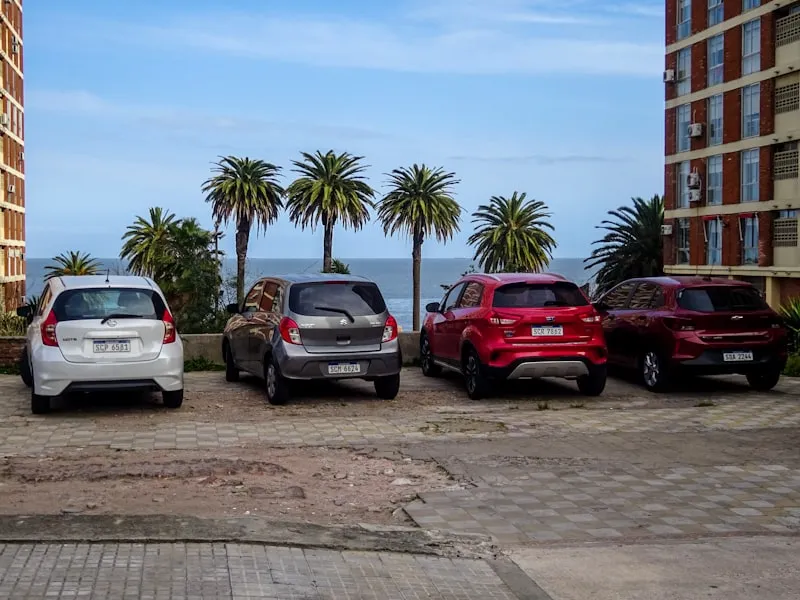
Concretely, at this price point on Facebook Marketplace, you should expect:
- Model years: 2016-2019 for compact crossovers (CR-V, RAV4, CX-5, Forester, Tucson); 2014-2017 for midsize models if you stretch into that category
- Mileage: 55,000-100,000 miles on most compact SUVs; Toyota and Honda models tend to carry slightly higher mileage at the same price due to their resale value premium
- Trim levels: Mid-range trims are realistic — EX and EX-L on CR-Vs, XLE on RAV4s, Touring on CX-5s. You're not limited to base models at this budget.
- Condition: With patience, clean one- or two-owner examples with documented service histories are available. Many SUVs at this price were used as family daily drivers — exactly the usage pattern you want.
- Drivetrain: Both FWD and AWD are available, though AWD commands a $1,000-$2,000 premium. In the compact crossover segment, AWD is nice to have but not essential unless you deal with regular snow.
According to iSeeCars' used SUV analysis, the $12,000-$15,000 range is where buyers find the best balance of remaining useful life and value in the compact crossover segment.
The depreciation curve has flattened at this age and mileage. Your SUV will lose value slowly going forward, making this price range both practical and financially smart.
The key at this price point is speed. SUVs are the most popular vehicle segment in America, and underpriced listings move quickly because buyer demand is constant.
Setting up automated alerts for new SUV listings is not optional — it's the difference between landing the deal and seeing "sold" when you finally open your phone.
SUVs Under $15,000 for Sale Near You: How to Pull Today's Listings
Marketplace does not give you a clean "under $15,000" view by default. It ranks on engagement rather than recency, so a SUV listed this morning can sit below one that has been up for two weeks. The fix is to set the price ceiling and the sort order in the search URL itself, then open that URL instead of browsing the category.
Our search URL builder, already set to a $15,000 ceiling and newest-first, will assemble the address for you. Put one of the models from the table below in the keywords box and it becomes a search for that specific SUV at this budget.
Set the radius wider than feels comfortable. Marketplace measures distance from the seller's profile location rather than from the SUV, so a tight radius silently drops listings parked near you whose owner never updated their profile. Forty to sixty miles is a reasonable starting point in most metros.
Have the $15,000 Search Run Itself
Build the search once, then hand it to CarSnipe. It re-runs the search on a fixed interval and sends each new match to Telegram in about three minutes on Pro, so a SUV listed while you are at work is still waiting for you.
Start Free Trial on TelegramWhich Used SUVs Under $15,000 Are Actually Reliable?
| Model | Years | Typical Marketplace asking price | The one thing to check |
|---|---|---|---|
| Honda CR-V | 2017-2019 | $11,000-$15,000 | Oil dilution on 2017-2018 1.5L turbos: smell the dipstick for gasoline |
| Toyota RAV4 | 2016-2018 | $12,000-$15,000 | Low-speed shudder between 2nd and 3rd; ask if the software update was done |
| Mazda CX-5 | 2017-2019 | $10,500-$14,500 | Vibration at idle in gear on some 2017s, from engine mount wear |
| Subaru Forester | 2017-2019 | $10,000-$14,000 | Oil consumption on the FB25; the older head gasket worry does not apply here |
| Hyundai Tucson | 2018-2020 | $9,500-$14,000 | A VIN check against the Theta II campaigns before you buy |
Asking ranges are the per-model figures stated elsewhere on this page, drawn from CarSnipe's Facebook Marketplace alert data. They are what private sellers ask, not what cars sold for.
Honda CR-V (2017-2019)
Realistic price range: $11,000-$15,000 | Typical mileage: 60,000-95,000 | Best years: 2018-2019
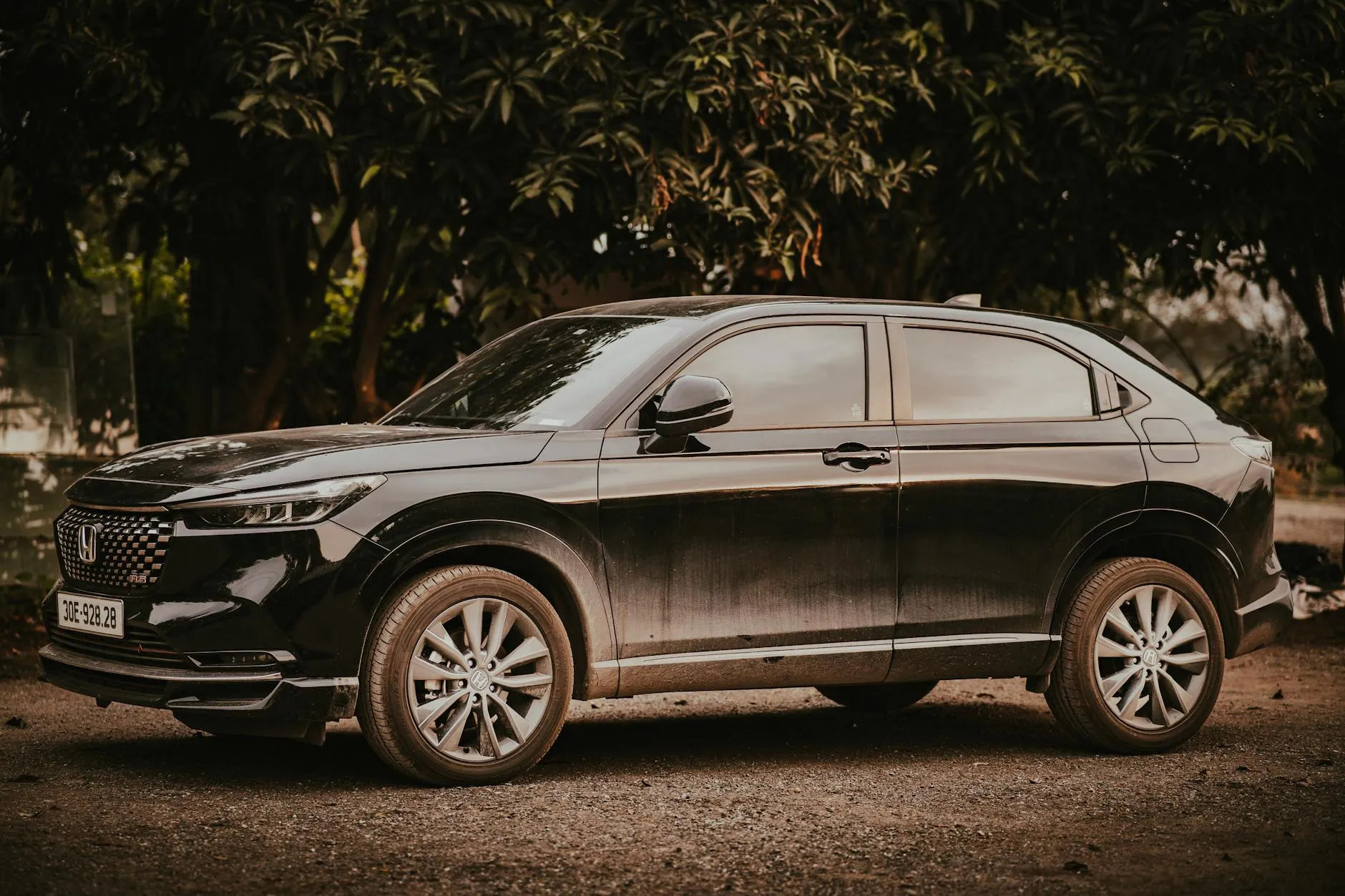
The fifth-generation CR-V (2017-2022) is Honda's best-selling model for a reason, and at the $15,000 mark you're buying into one of the most refined compact crossovers ever made. It has dominated Consumer Reports' reliability ratings in this segment for years.
The 1.5L turbocharged four-cylinder produces 190 horsepower — more than adequate for a vehicle this size — and returns 28-32 MPG combined in real-world driving. It's genuinely quick off the line and handles highway merging with confidence.
Cargo space is a standout at 39.2 cubic feet behind the rear seats and 75.8 cubic feet with the seats folded. That's more usable space than most competitors, and the flat cargo floor makes loading practical items straightforward.
At $15,000, EX and EX-L trims are well within reach — which means Honda Sensing safety suite (adaptive cruise, lane keeping, collision mitigation), a power tailgate, heated seats on the EX-L, and Apple CarPlay/Android Auto.
What to look for: The 1.5L turbo engine had a well-documented oil dilution issue in early 2017-2018 models, particularly in cold climates. Fuel can mix with engine oil during short trips in cold weather, causing the oil level to rise above the full mark. Honda issued a software update and extended warranty coverage for this issue.
Check the oil level and smell the dipstick — if it smells like gasoline, the software update may not have been applied. Ask the seller if the update was performed. On 2019 models, this issue was largely resolved through engineering changes.
Inspect the AC condenser for leaks, as this is a known failure point on 2017-2018 CR-Vs. Replacement costs $400-$800 at an independent shop.
What to avoid: Early 2017 production models had the most oil dilution complaints. If buying a 2017, verify the software update was applied and check the oil carefully. Avoid any CR-V with a consistently gasoline-smelling dipstick, as this indicates the issue persists despite the update.
Avoid examples with aftermarket modifications — the CR-V is not a vehicle that benefits from modification, and altered suspension or intake systems can create problems that are expensive to diagnose.
CarSnipe alert tip: Set your search for 2018-2019 CR-V EX or EX-L trims, priced $11,000-$14,500 with under 95,000 miles. The 2018-2019 models are the sweet spot where the oil dilution issue was addressed and the feature set is generous. A well-priced EX-L under $14,000 generates significant buyer interest — expect to respond within minutes.
Toyota RAV4 (2016-2018)
Realistic price range: $12,000-$15,000 | Typical mileage: 70,000-110,000 | Best years: 2017-2018
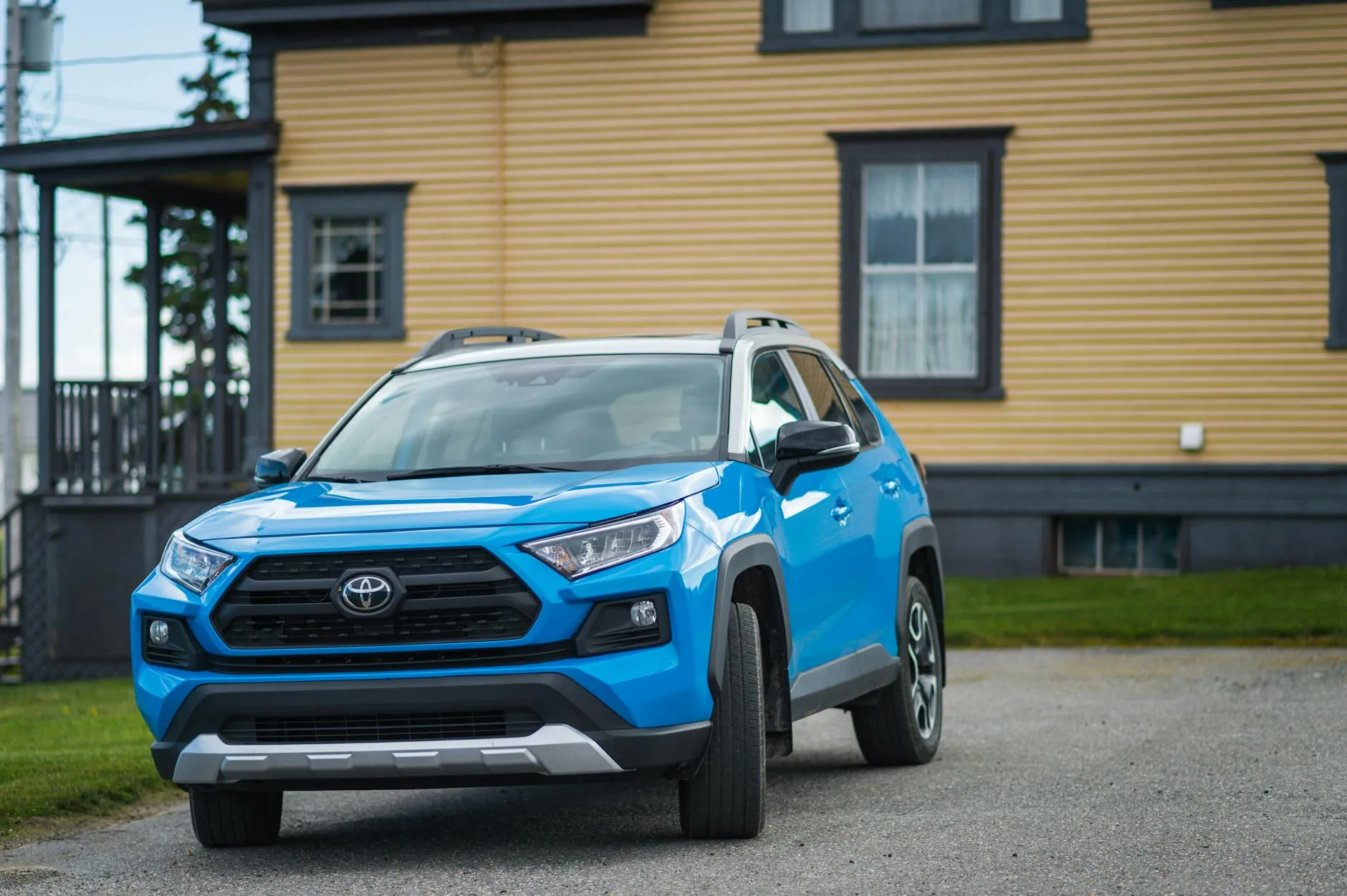
The RAV4 holds its resale value second only to the Tacoma in Toyota's lineup, which means you'll get slightly higher mileage examples at the $15,000 price point compared to the CR-V or CX-5. That tradeoff is worth it for many buyers, because the RAV4's long-term reliability record is exceptional.
The fourth-generation RAV4 (2013-2018) uses Toyota's 2.5L four-cylinder engine producing 176 horsepower. It's not the most powerful engine in this class, but it's naturally aspirated, mechanically simple, and has a proven track record well past 250,000 miles with basic maintenance.
Fuel economy comes in at 26-29 MPG combined, and cargo space is 38.4 cubic feet behind the rear seats. The RAV4 was the best-selling non-truck vehicle in America during these model years, which means parts are abundant and cheap, and every mechanic knows these vehicles intimately.
What to look for: The 6-speed automatic transmission in the 2016-2018 RAV4 occasionally exhibits a shudder or hesitation during low-speed acceleration, particularly between second and third gear. This was addressed through a software update at Toyota dealerships — ask if it was performed.
Check the water pump for any signs of coolant seepage. Some 2016-2017 models had premature water pump bearing failures, and Toyota extended the warranty on this component. Inspect the dashboard for excessive cracking — a known cosmetic issue on 2013-2018 RAV4s exposed to UV in hot climates.
What to avoid: The 2016 model year was the first to include Toyota Safety Sense (TSS) as standard on XLE and above, so if driver-assistance features matter to you, avoid the 2016 LE base trim. Skip any RAV4 with evidence of transmission shudder that hasn't had the software update applied.
Avoid examples from rental fleets if possible — the RAV4 was one of the most popular rental vehicles in this era, and rental cars tend to have harder lives than privately owned vehicles despite lower mileage.
CarSnipe alert tip: Set your alert for 2017-2018 RAV4 XLE or Limited trims, priced $12,000-$14,500 with under 100,000 miles. RAV4s generate consistent buyer demand on Facebook Marketplace, and well-priced examples below $14,000 move quickly. Being first to message gives you a real advantage — Toyota loyalty buyers are numerous and fast.
Mazda CX-5 (2017-2019)
Realistic price range: $10,500-$14,500 | Typical mileage: 55,000-90,000 | Best years: 2018-2019
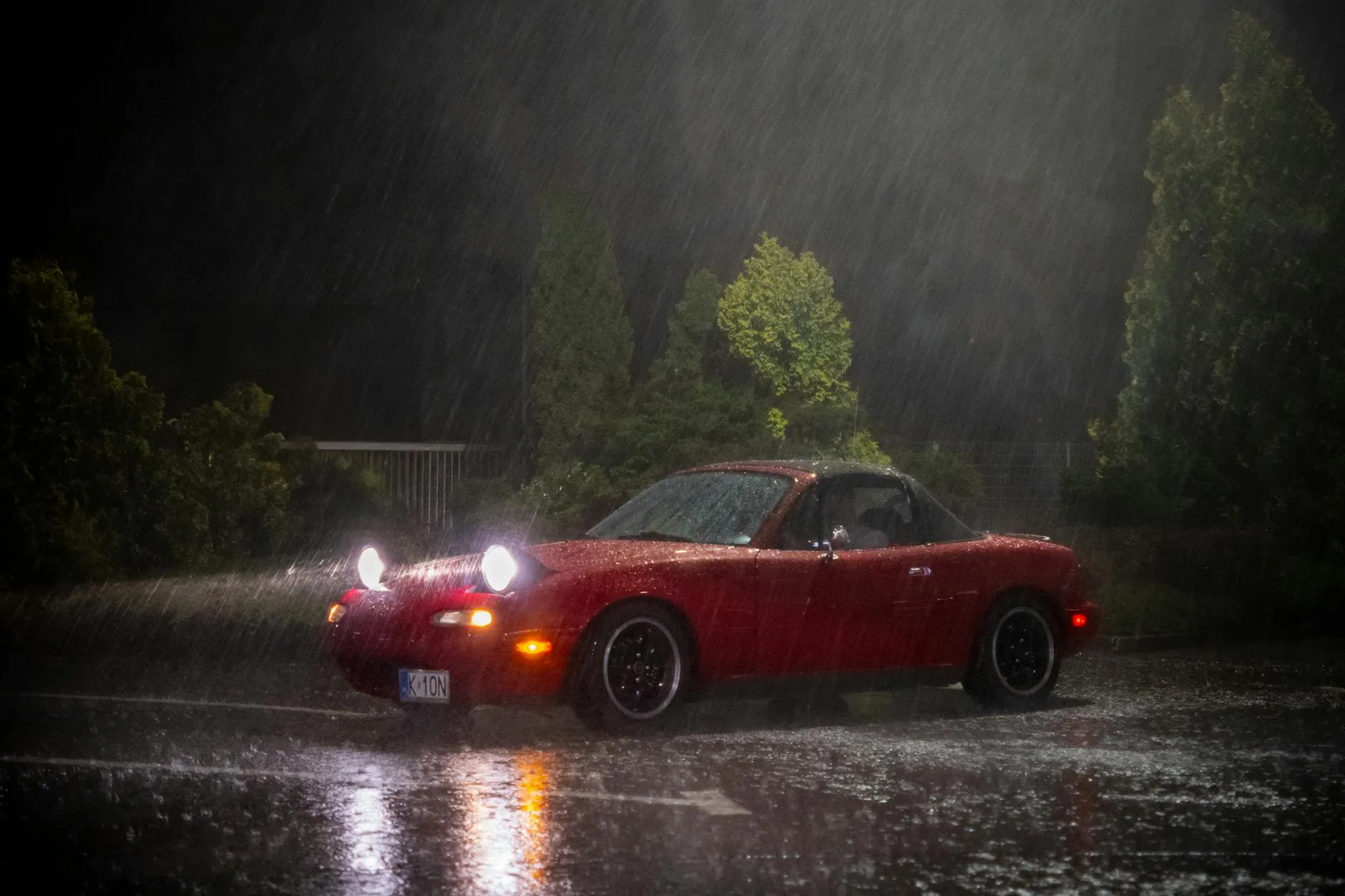
The second-generation CX-5 (2017-present) is the driver's choice in this segment, and it's not close. Mazda engineered this vehicle to feel like a sports sedan that happens to have SUV ground clearance and cargo space — the steering is precise, the chassis is well-tuned, and the interior materials feel a class above the price.
The SKYACTIV-G 2.5L naturally aspirated four-cylinder produces 187 horsepower and returns 26-29 MPG combined. It's responsive, refined at highway speeds, and mechanically straightforward — no turbocharger to fail, no CVT to worry about.
Cargo space is 30.9 cubic feet behind the rear seats — smaller than the CR-V and RAV4, which is the CX-5's one tangible compromise. If you're regularly hauling large items, the Honda wins. If you prioritize how the vehicle drives every single day, the Mazda wins.
At $15,000, Touring and Grand Touring trims are within reach. The Grand Touring adds leather, a Bose audio system, a power liftgate, and a heads-up display — features that rival luxury brands at a fraction of the cost.
What to look for: The CX-5 has very few mechanical weak points. The most commonly reported issue is a slight vibration at idle in some 2017 models, attributed to engine mount wear. Check for any unusual vibration with the engine running and the vehicle in gear at a stop.
Inspect the infotainment screen for delamination — some 2017-2018 models experienced the touchscreen coating peeling or bubbling, which is a cosmetic annoyance rather than a functional problem. Mazda issued a service campaign to replace affected screens.
What to avoid: The 2017 model year had slightly more reported issues than the 2018-2019 models, though none were major mechanical concerns. Avoid any CX-5 with evidence of deferred maintenance — Mazda's SKYACTIV engines depend on regular oil changes more than most, and skipped services can lead to premature timing chain wear.
The 2.2L diesel variant (offered in very limited numbers in 2019) should be avoided unless you're comfortable with diesel-specific maintenance — parts are harder to source and fewer mechanics are experienced with it.
CarSnipe alert tip: Set your search for 2018-2019 CX-5 Touring or Grand Touring trims, priced $10,500-$14,000. The CX-5 depreciates slightly faster than the CR-V and RAV4, which means better value for buyers at this price point. A well-equipped Grand Touring under $14,000 is an exceptional deal — set your alert and respond quickly when one appears.
Subaru Forester (2017-2019)
Realistic price range: $10,000-$14,000 | Typical mileage: 60,000-100,000 | Best years: 2018-2019
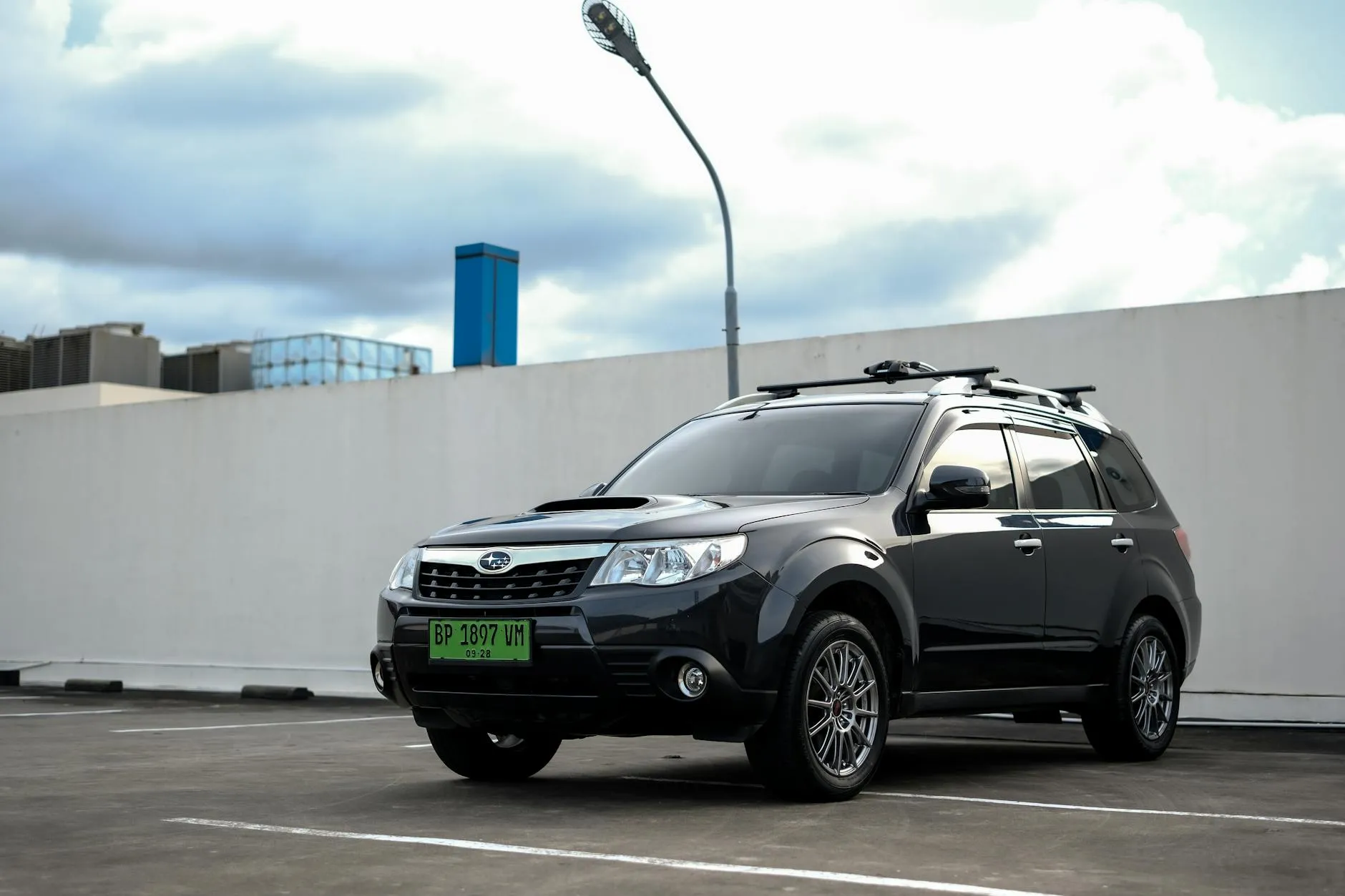
The Forester is the SUV for buyers who prioritize visibility, standard AWD, and practicality over everything else. Subaru's symmetrical all-wheel drive system comes standard on every Forester — no $2,000 AWD upgrade needed — and the greenhouse (window area) is the largest in the compact SUV class, giving you exceptional outward visibility in every direction.
The 2017-2018 Forester (fourth generation) uses Subaru's 2.5L horizontally opposed (boxer) four-cylinder producing 170 horsepower. It's not the most powerful engine here, but the boxer layout gives the Forester a lower center of gravity than its competitors, which translates to better stability in corners and during emergency maneuvers.
The 2019 model is the first year of the fifth generation, which brought significant improvements to ride comfort, noise insulation, and interior quality. If you can find a 2019 within budget, it's worth the stretch.
Fuel economy ranges from 26-29 MPG combined, and cargo space is 35.4 cubic feet behind the rear seats (76.1 with seats folded) — competitive with the class leaders.
What to look for: Subaru's boxer engines have a historical reputation for head gasket issues, but this was largely resolved after 2012. The 2017-2019 models use the FB25 engine, which is significantly more reliable than earlier generations. The primary concern is excessive oil consumption — some FB25 engines consume more oil than expected between changes.
Check the oil level at the test drive. If it's noticeably below the full mark and the seller reports no oil leak, the engine may be consuming oil internally. Subaru issued a technical service bulletin for this issue and will repair affected engines under an extended warranty program.
Inspect the CVT (continuously variable transmission) for smooth operation — test for any shuddering, hesitation, or whining during acceleration. Subaru extended the CVT warranty to 100,000 miles on these models, so check if warranty coverage remains.
What to avoid: Avoid any Forester with the 2.0L turbocharged XT engine at this price point — the turbo models are fun but had more reliability concerns and higher maintenance costs. The naturally aspirated 2.5L is the choice for long-term ownership.
Skip any Forester from heavy-salt states without a thorough undercarriage inspection. Subarus are popular in the rust belt for their AWD capability, but they are no more rust-resistant than other brands.
CarSnipe alert tip: Set your alert for 2018-2019 Forester Premium or Touring trims, priced $10,000-$13,500 with under 95,000 miles. Foresters attract a loyal but smaller buyer pool than CR-Vs and RAV4s, which means slightly less competition on Facebook Marketplace listings. That said, a well-priced Forester in good condition still moves within a day — don't wait to respond.
Hyundai Tucson (2018-2020)
Realistic price range: $9,500-$14,000 | Typical mileage: 50,000-85,000 | Best years: 2019-2020
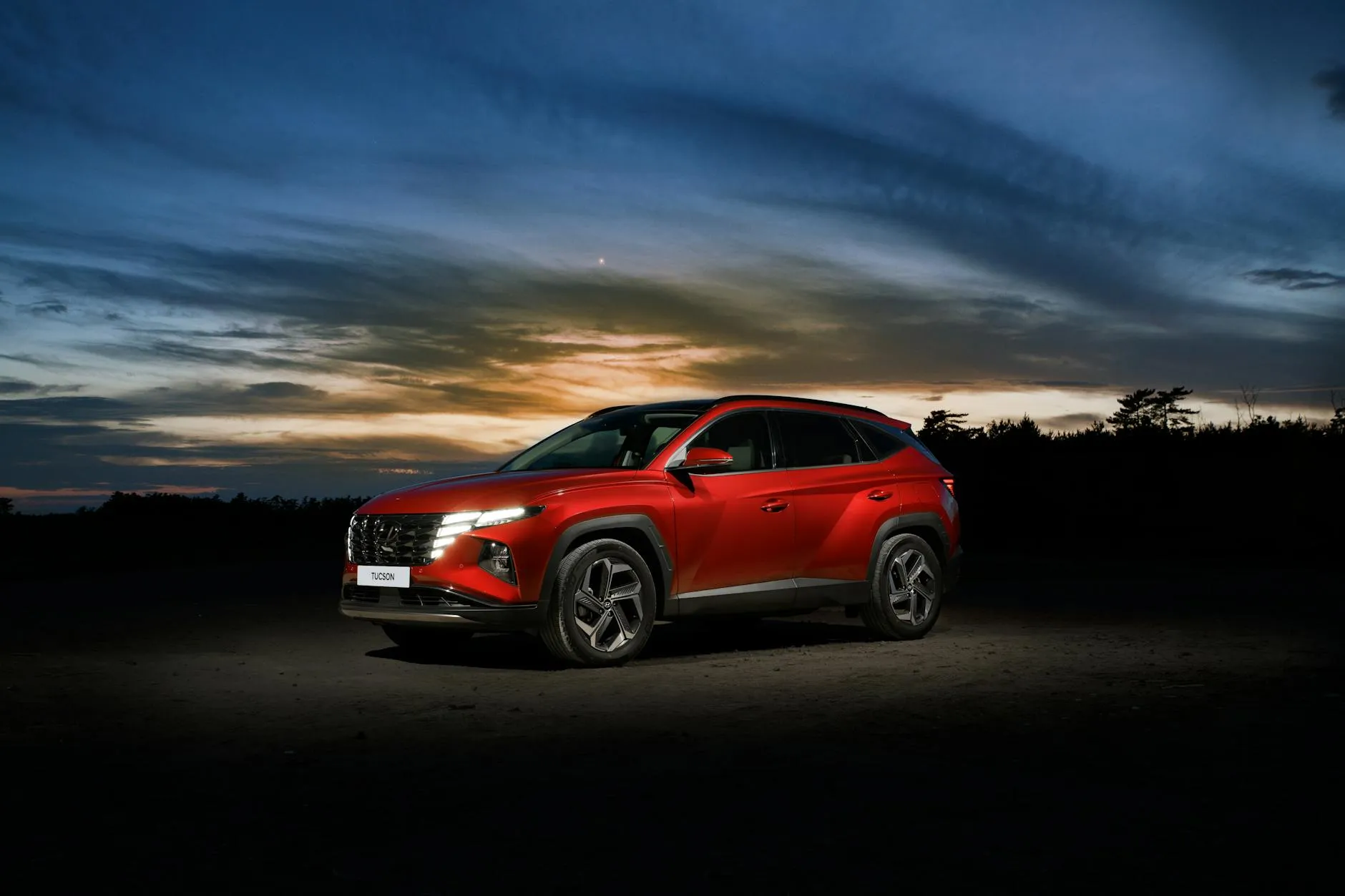
The Tucson is the value king on this list. It consistently undercuts the CR-V, RAV4, and CX-5 by $1,500-$2,500 at comparable mileage and condition, which means you're getting a newer vehicle with fewer miles for the same money — or banking the savings.
The third-generation Tucson (2016-2021) in the 2018-2020 model years uses Hyundai's 2.0L four-cylinder (164 horsepower) in base and SEL trims or the 1.6L turbocharged four-cylinder (175 horsepower) in Sport and Limited trims. Both engines are paired with a 6-speed automatic — no CVT — which is a plus for long-term durability.
Fuel economy runs 24-28 MPG combined depending on the engine and drivetrain. Cargo space is 31.0 cubic feet behind the rear seats, putting it on par with the CX-5 and behind the CR-V.
The real story here is Hyundai's warranty. Even used, a 2019-2020 Tucson purchased from a private seller retains the 10-year/100,000-mile powertrain warranty for the original owner, and 5-year/60,000-mile for subsequent owners. That factory backing adds meaningful peace of mind at this price point.
What to look for: The 2.0L Theta II engine family has a documented history of bearing failures and engine seizures in certain Hyundai and Kia models. However, the 2018-2020 Tucson uses an updated version of this engine with improvements to address earlier problems. Check NHTSA's recall database with the VIN to confirm all recall work has been completed.
Listen for any rod knock or metallic ticking during the test drive — these sounds on a cold start are red flags. Hyundai has extended engine warranties and issued recalls for affected vehicles, but you want confirmation that any applicable recall work was performed.
Inspect the paint quality carefully, as some owners report premature clear coat peeling on darker colors — cosmetic only but expensive to fix.
What to avoid: The 2016-2017 Tucson had more reported transmission issues (the dual-clutch automatic in the 1.6T was problematic) than the 2018-2020 models. If buying a turbocharged Tucson, stick to 2019 or later when Hyundai switched the 1.6T to a conventional 7-speed dual-clutch with improved software. For maximum reliability, the naturally aspirated 2.0L with the standard 6-speed automatic is the safer choice.
Avoid any Tucson with an engine warning light or a history of engine replacement — while Hyundai covers these under recall, a replacement engine indicates the vehicle was part of the affected batch.
CarSnipe alert tip: Set your alert for 2019-2020 Tucson SEL or Sport trims, priced $9,500-$13,500 with under 80,000 miles. The Tucson generates less buyer frenzy than Honda and Toyota equivalents, giving you slightly more time to respond — but a well-priced 2020 model under $13,000 will still attract serious interest within the first few hours.
A well-maintained compact SUV with 80,000-100,000 miles is not a high-risk purchase. The engines in these vehicles — Honda's 1.5T, Toyota's 2.5L, Mazda's SKYACTIV-G 2.5L, Subaru's FB25, and Hyundai's 2.0L — are all engineered to exceed 200,000 miles with basic maintenance. The critical variables are maintenance history and overall condition, not the odometer reading alone. A 90,000-mile CR-V with complete service records and a clean undercarriage beats a 50,000-mile CR-V with unknown maintenance history every time. Always request maintenance records, always get a pre-purchase inspection from an independent mechanic, and always check the vehicle's recall history through NHTSA before committing to a purchase.
How Do You Spot an Underpriced SUV Before Other Buyers?
Everything in this guide is rendered academic if someone else buys the SUV before you even see the listing. And that's the fundamental challenge with used compact SUVs on Facebook Marketplace: they are the most popular vehicle segment in America, and demand is relentless.
A well-priced 2018 CR-V EX-L listed $2,000 below market in any metro area will generate 10-20 inquiries in the first three hours. The buyer who gets that SUV is the one who responded in the first 15 minutes.
Manual browsing — opening Marketplace on your phone a few times a day — is a losing strategy. By the time you see a listing in your casual browse session, it's frequently already sold or fielding multiple offers.
The math is straightforward: underpriced vehicles don't last, and popular SUVs from Honda, Toyota, and Mazda last even less than average.
The effective approach is automated monitoring. CarSnipe watches Facebook Marketplace continuously and sends you a Telegram notification within minutes of a new matching listing going live. You set up your search criteria once — make, model, year range, price range, mileage, location — and CarSnipe does the watching.
When a 2019 CX-5 Grand Touring appears at $12,800 in your area, you get the notification on your phone while other buyers are still waiting to stumble across it manually.
At a $15,000 SUV budget, the cost of being slow is measured in hundreds to thousands of dollars — either you miss the deal entirely, or you end up paying more for a comparable vehicle that you found later. The same principle applies to cars under $15,000 — speed wins — and it's especially true for SUVs because the buyer pool is enormous.
The tool that eliminates that response lag is the single largest advantage an SUV buyer in this market can have.
Stop Refreshing Facebook.
Set up CarSnipe and get alerted the moment a matching SUV appears — before other buyers even know it's listed. Free 7-day trial — cancel anytime before you are charged.
Start Free Trial on TelegramFrequently Asked Questions
The Honda CR-V (2017-2019) is the strongest overall pick for reliability, fuel economy, and cargo space. At $15,000 you can find well-maintained examples with 60,000-95,000 miles. The Toyota RAV4 (2016-2018) is the best choice if long-term durability and resale value are your top priorities. The Mazda CX-5 (2017-2019) offers the most engaging driving experience in this price range, with a premium-feeling interior that punches above its weight class.
$15,000 is a strong used SUV budget in 2026. The market has normalized since the pandemic-era price spikes, and this budget now buys SUVs that were selling for $19,000-$23,000 in 2022-2023. You can expect 2016-2019 model years with 55,000-100,000 miles on compact crossovers from Honda, Toyota, Mazda, Subaru, and Hyundai. Stick to well-maintained examples with service records and budget an additional $1,000-$1,500 for taxes, registration, and a pre-purchase inspection.
Very fast. Compact SUVs are the most popular vehicle segment in the United States, and demand on Facebook Marketplace reflects that. A well-priced CR-V or RAV4 listed 10-15% below market value in a metro area can receive 15 or more inquiries within the first few hours. The best deals typically sell within 2-4 hours of listing. Automated monitoring tools like CarSnipe that send instant alerts when matching SUVs are posted give buyers a critical speed advantage over manual browsing.
For most buyers, a compact SUV (CR-V, RAV4, CX-5, Forester, Tucson) is the better value under $15,000. These models offer 25-32 MPG combined, 30-40 cubic feet of cargo space behind the rear seats, and lower maintenance costs than midsize alternatives. Midsize SUVs (Highlander, Pilot, Santa Fe) offer a third row and more passenger space, but at $15,000 you will be looking at older model years with higher mileage. If you need three rows, budget closer to $18,000-$20,000 for a reliable option, or consider a compact SUV paired with a roof cargo box for extra storage.